On a quiet afternoon, you scroll through your feed and stumble upon a photo that makes you pause. It looks like someone tried their absolute best, yet the result is hilariously off the mark. Maybe it is a grilled cheese that melted into a shapeless puddle, or a sign meant to inspire that somehow confuses everyone who reads it. These moments are oddly comforting. They remind us that effort does not always guarantee success, and sometimes, the gap between intention and outcome is where the most interesting stories live.
This article explores the cultural fascination with everyday failures, inspired by collections like “30 Times People Tried Their Best… And Still Failed Spectacularly.” We will look at why these moments resonate so strongly, how humor shapes our perception of mistakes, and what science says about learning through failure. Along the way, we will also consider the myths we tell ourselves about success and perfection.
The Universal Appeal of Trying and Failing
There is something deeply relatable about trying hard and missing the mark. From cooking mishaps to awkward design choices, these scenarios reflect real human effort. Unlike polished success stories, they show the process, the uncertainty, and the unpredictability of everyday life.
In many cultures, effort is celebrated as a virtue. Phrases like “give it your all” or “try your best” are taught from a young age. Yet, when effort does not lead to the expected result, it can feel disappointing. That is where humor steps in. By reframing failure as something amusing rather than discouraging, people transform frustration into connection.
Online galleries of failed attempts often go viral because they tap into this shared experience. A poorly executed recipe or a confusing sign does not require explanation. The viewer instantly understands the intention and the outcome, and the contrast creates a moment of recognition.
Cultural Narratives Around Failure
Across different societies, failure has been interpreted in various ways. In some traditions, it is seen as a necessary step toward mastery. In others, it is something to be avoided or hidden. These cultural narratives shape how people respond to mistakes.
In Western contexts, especially in entrepreneurial culture, failure is often framed as a learning opportunity. Stories of successful individuals frequently include early setbacks that eventually led to growth. This narrative encourages risk-taking and persistence.
In contrast, some cultures place a stronger emphasis on precision and avoiding errors. In these environments, failure might carry a heavier social weight. However, even in such contexts, humor provides a safe outlet. Lighthearted content allows people to acknowledge mistakes without judgment.
The popularity of “there was an attempt” style content reflects a modern blend of these perspectives. It acknowledges failure while removing stigma, turning it into something shareable and even enjoyable.
The Psychology Behind Why We Laugh
Why do we find failed attempts so entertaining? Psychology offers several insights. One key concept is incongruity. Humor often arises when there is a mismatch between expectation and reality. When someone tries to create a perfect dish and ends up with something unrecognizable, the unexpected outcome triggers amusement.
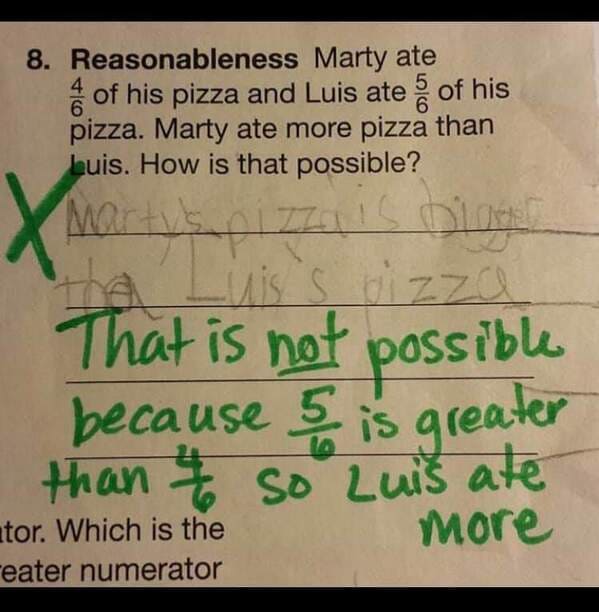
Another factor is relatability. People are more likely to laugh at situations they can imagine themselves in. A complicated DIY project gone wrong or a miscalculated math tip on a receipt feels familiar. This familiarity creates a sense of connection.
There is also a subtle element of relief. Observing someone else’s harmless mistake can make viewers feel less pressure about their own imperfections. It reinforces the idea that mistakes are a normal part of life.
Importantly, this type of humor tends to remain light and non-harmful. It focuses on situations rather than individuals, allowing people to enjoy the moment without negative consequences.
Everyday Examples of “There Was an Attempt”
The charm of these moments lies in their variety. They appear in countless forms, each highlighting a different kind of human intention.
Consider cooking experiments. A grilled cheese sandwich made in an unconventional way might result in melted cheese escaping everywhere except where it is supposed to be. The attempt is clear, but the execution takes an unexpected turn.
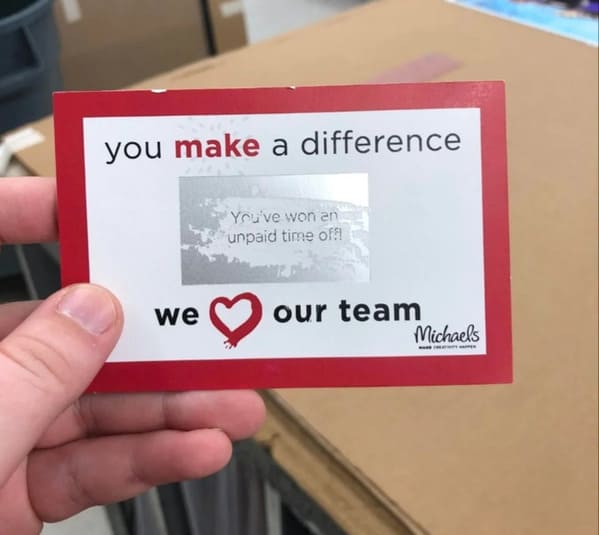
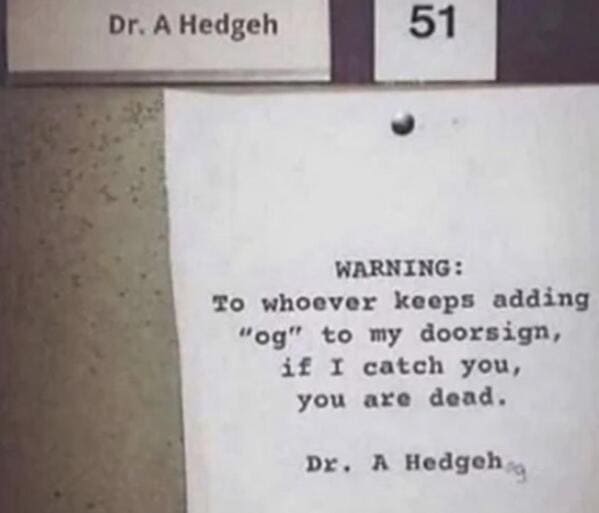
Or think about signage. A message intended to be helpful or motivational can become confusing due to wording or layout. The effort to communicate is there, yet the final result leaves people puzzled.
Even simple tasks like taking a panoramic photo can lead to amusing distortions. A pet might appear stretched or duplicated, creating an image that is both strange and delightful.
These examples demonstrate that failure is not limited to complex tasks. Even everyday activities can produce surprising outcomes when conditions are not quite right.
Myth Versus Reality: Does Effort Always Lead to Success?
One common belief is that hard work guarantees success. While effort is certainly important, reality is more nuanced. Many factors influence outcomes, including timing, environment, resources, and sometimes pure chance.
The idea that effort alone determines success can create unrealistic expectations. When results do not match effort, people may feel discouraged or confused. This is where collections of failed attempts provide a useful counterbalance. They highlight the unpredictability of real life.
From a scientific perspective, success is often the result of iterative processes. Experiments, adjustments, and repeated attempts play a crucial role. In this context, failure is not an endpoint but part of a larger cycle.
By viewing failure as a step rather than a conclusion, individuals can maintain motivation and continue improving. This perspective aligns more closely with how learning actually occurs.
The Science of Learning Through Mistakes
Research in cognitive science suggests that making mistakes can enhance learning. When people encounter an error, it creates a moment of reflection. The brain processes the discrepancy between expectation and outcome, which can strengthen understanding.
This process is sometimes referred to as error-based learning. Instead of avoiding mistakes entirely, learners benefit from engaging with them and adjusting their approach.
In practical terms, this means that a failed attempt at cooking, designing, or problem-solving can provide valuable feedback. The key is to analyze what went wrong and apply that knowledge to future efforts.
Interestingly, environments that encourage experimentation often lead to greater innovation. When individuals feel safe to try and fail, they are more likely to explore new ideas. This openness can result in creative solutions that might not emerge in more rigid settings.
Humor as a Social Connector
Sharing moments of failure can bring people together. When someone posts a humorous attempt that did not go as planned, it invites others to relate, comment, and share their own experiences.
This collective engagement creates a sense of community. It shifts the focus from individual performance to shared humanity. Everyone has experienced moments where things did not go as expected, and recognizing this common ground can be comforting.
Social media amplifies this effect by making it easy to distribute and interact with such content. A single image or story can reach thousands of people, each finding their own meaning in it.
Importantly, the tone of these interactions tends to be supportive rather than critical. The goal is not to judge but to enjoy the humor and recognize the effort behind the attempt.
The Fine Line Between Failure and Creativity
Not every unusual outcome is purely a failure. In some cases, unexpected results can lead to new ideas. A cooking experiment that does not match the original recipe might still produce something interesting. A design that looks unconventional could inspire a different approach.
Creativity often involves stepping outside established patterns. This process naturally includes trial and error. What might initially appear as a mistake can become the starting point for innovation.
This perspective challenges the notion that there is always a single “correct” outcome. Instead, it encourages flexibility and openness to different possibilities.
By embracing this mindset, individuals can transform perceived failures into opportunities for exploration.
Lessons for Everyday Life
What can we take away from these moments of effort and imperfection? First, it is helpful to recognize that not every attempt will succeed, and that is perfectly normal. Setting realistic expectations can reduce frustration and increase resilience.
Second, maintaining a sense of humor can make challenges more manageable. Laughing at a small mistake does not diminish effort. Instead, it creates a positive environment for growth.
Third, reflecting on what went wrong can provide valuable insights. Rather than dismissing a failed attempt, taking a moment to understand it can lead to improvement.
Finally, sharing experiences with others can foster connection. Whether through conversation or online platforms, these moments can become opportunities to engage and relate.
Conclusion: Why We Keep Trying
At the heart of every failed attempt is a simple truth: someone cared enough to try. That effort, regardless of the outcome, reflects curiosity, creativity, and a willingness to engage with the world.
The popularity of humorous failure content shows that people appreciate authenticity. Perfect results may impress, but imperfect attempts often resonate more deeply. They reveal the process behind the outcome and remind us that progress is rarely linear.
In the end, these stories are not just about things going wrong. They are about the human drive to experiment, to learn, and to keep going even when results are uncertain. That drive is what leads to growth, discovery, and occasionally, something unexpectedly wonderful.
Sources
American Psychological Association. Research on learning and error processing in cognitive development.
Harvard Business Review. Articles on the role of failure in innovation and organizational growth.
Stanford University. Studies on growth mindset and the benefits of embracing challenges.
Cambridge University Press. Publications on cultural perspectives of success and failure.
Journal of Experimental Psychology. Findings on humor, incongruity, and human perception.
![HT9. [Rest in peace] He opened her belly and ate…See more](https://newsmedia.lighttopix.com/wp-content/uploads/2026/09/ZL72Jzi810pAjRMF763BfaCetnnmHOOzfK23AELR-240x300.jpg)