

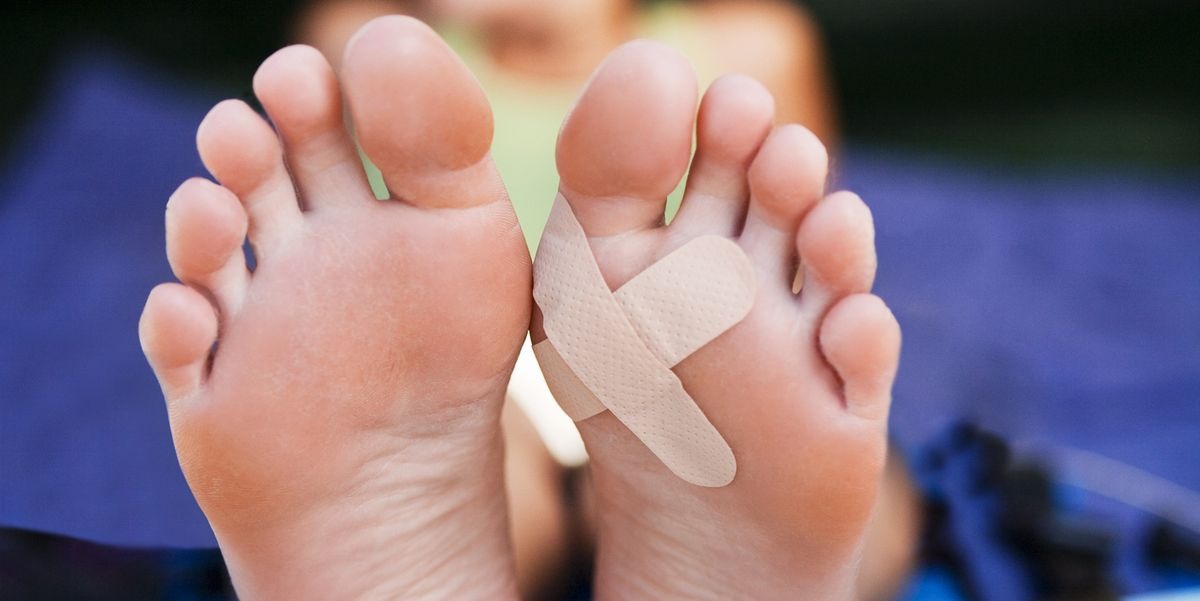
Foot blisters can be a common concern for both children and adults, particularly when they arise due to friction or pressure. However, blisters that appear suddenly, especially in children, can often provoke worry among parents and caregivers. Understanding the nature of these blisters, their causes, symptoms, and when medical intervention is required is crucial for any concerned adult.
What is a Foot Blister?
A foot blister is defined as a small pocket of fluid that forms between the upper layers of the skin, generally due to friction, heat, or certain medical conditions. In some cases, these blisters can fill with blood instead of clear fluid, known as blood blisters. These types of blisters can become dark, swollen, and painful, which can be particularly alarming when they appear on a child’s foot.
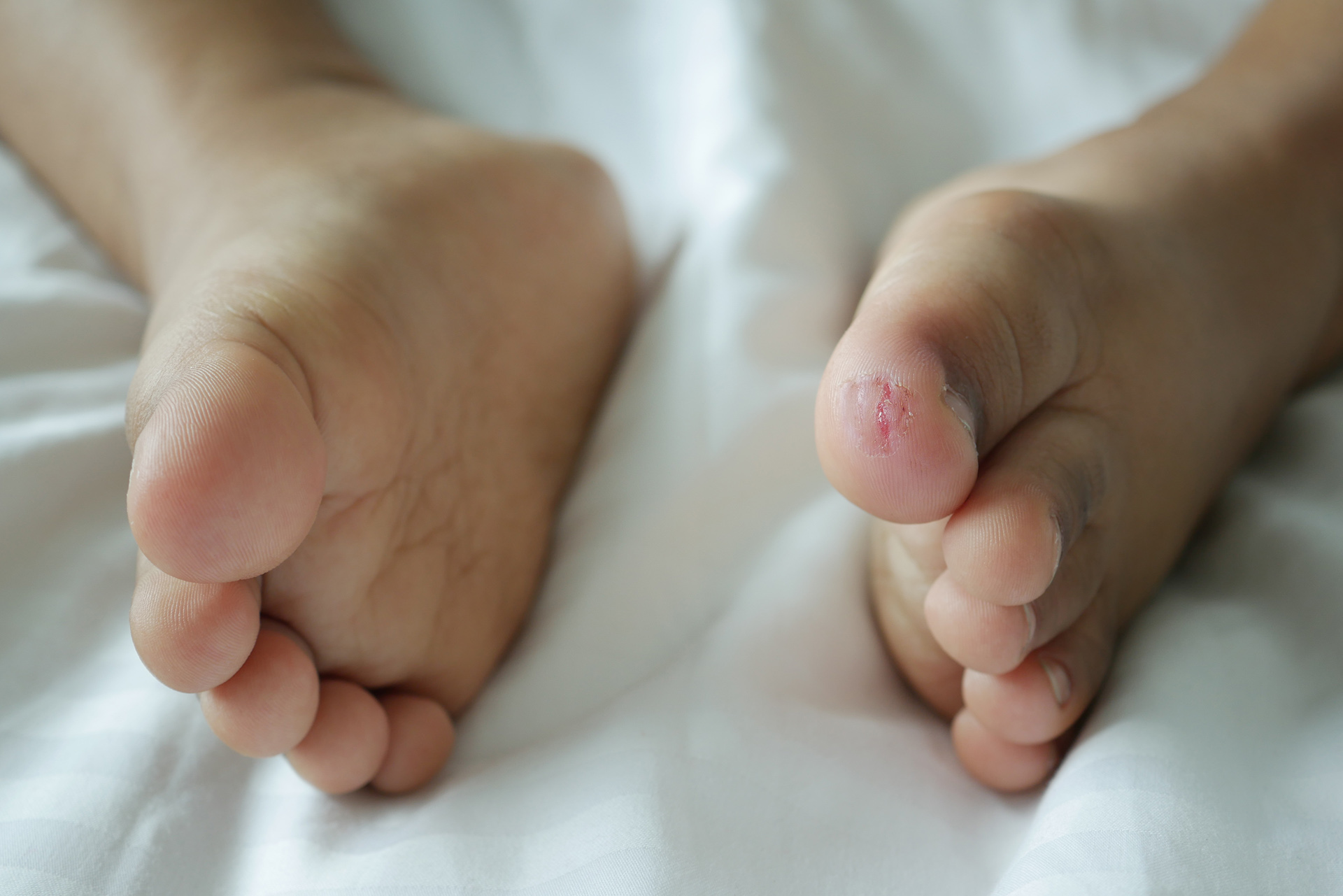
Common Causes of Foot Blisters in Children
There are several factors that can contribute to the formation of foot blisters, especially in children. Some of the most common causes include:
- Frictions: This is often caused by tight or ill-fitting shoes. When a shoe rubs against the skin repeatedly, it can create friction that leads to blister formation.
- Trauma: Children are often active, and minor injuries can go unnoticed. A small injury, such as a bump or scrape, can result in a blister.
- Infection: Certain infections can cause blisters to form as part of the body’s response to injury or irritation.
- Insect Bites: In some rare cases, a reaction to an insect bite can lead to swelling and blistering.
Symptoms to Watch For
As a caregiver, it is essential to monitor the symptoms associated with a potential foot blister closely. Symptoms may include:
- Pain: The affected area may be painful, making it difficult for the child to walk.
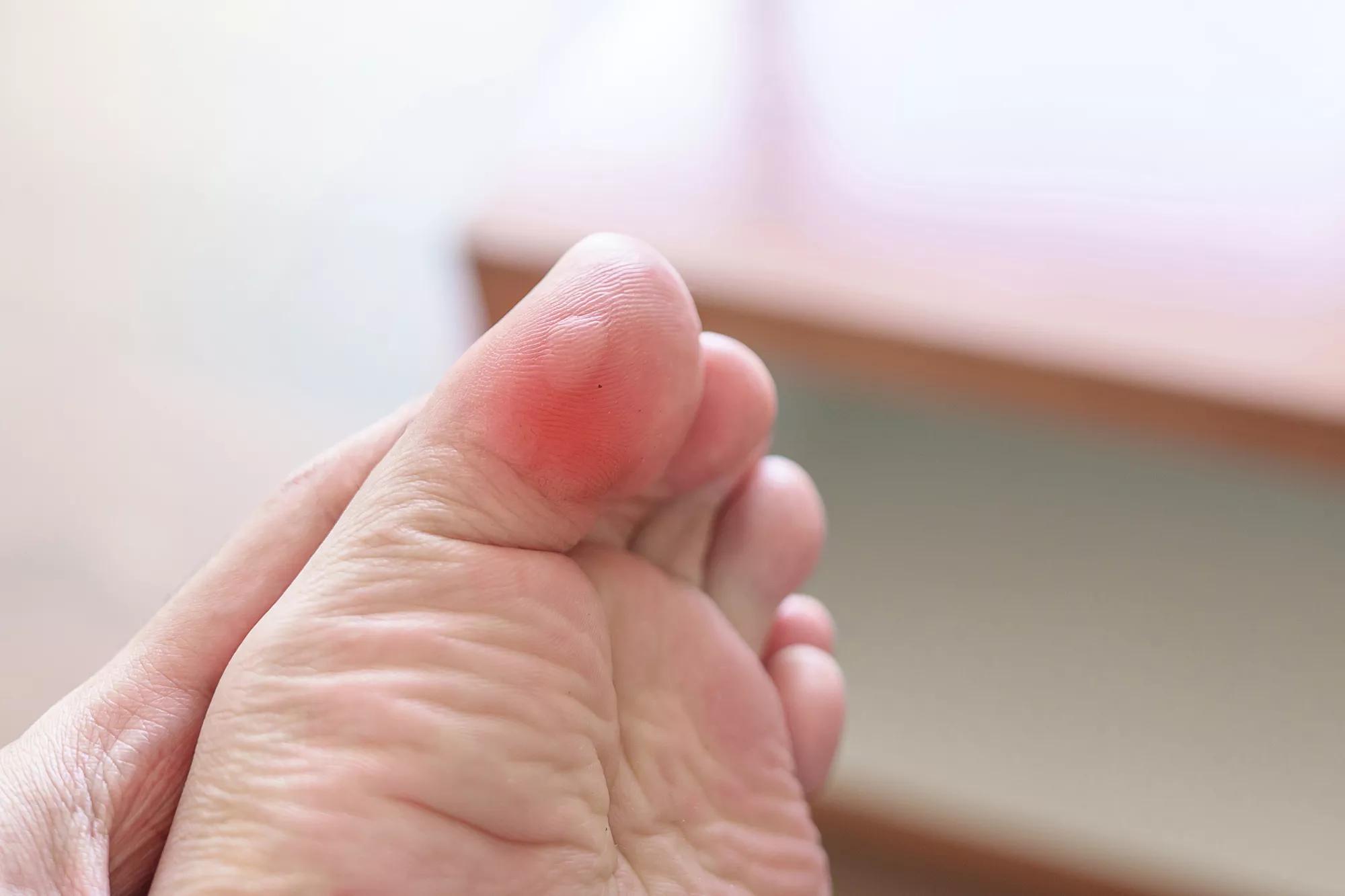
- Swelling: The blister may be visibly swollen and can be accompanied by redness.
- Dark Color: A blood blister will typically appear darker than a standard blister filled with clear fluid.
- Limited Mobility: The child may refuse to move the foot due to pain or discomfort.
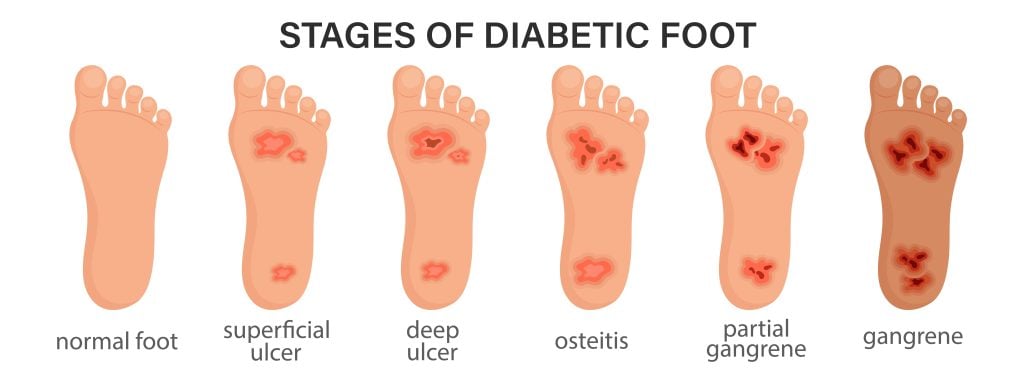
When to Seek Medical Attention
If you notice a blister forming on a child’s foot, it is crucial to assess the situation carefully. While many blisters can heal on their own, there are specific circumstances where it is important to seek medical attention promptly:
- If the blister is large, dark, or painful.
- If there is noticeable redness spreading around the blister.
- If the child develops a fever.
- If the area is getting bigger or if the skin starts becoming more discolored.
- If the child is unable to stand or bear weight on the affected foot.
Proper Care and Treatment Approaches
While it may be tempting to pop a blister at home, it is generally advised against doing so due to the risk of infection. Instead, the following care measures should be considered:
- Keep It Clean: Gently wash the area with soap and water to prevent infection.
- Avoid Popping: Do not attempt to pop the blister as this can introduce bacteria and worsen the condition.
- Cover the Blister: Use a clean, sterile bandage to protect the blister from further irritation.
- Ice Packs: If the area is swollen or painful, applying an ice pack can help reduce swelling and discomfort.
Consulting a Healthcare Professional
Taking the child to a healthcare professional is critical if the blister does not improve or if symptoms worsen. Physicians may conduct an examination to determine if there is an underlying infection and provide appropriate treatment, which may include:
- Professional drainage of the blister if warranted.
- Prescription of topical or oral antibiotics to treat infection.
- Recommendations for pain relief to ease discomfort.

Concluding Thoughts
As a parent or caregiver, being vigilant about any unusual changes in a child’s health is pivotal. Foot blisters can often be remedied with simple care, but understanding when to seek medical attention is essential for ensuring the child’s well-being. Maintaining open communication with healthcare providers can alleviate concerns and lead to better health management for children.