


The global film community is mourning the loss of Nathalie Baye, who passed away on April 19, 2026, at the age of 77. Known for her remarkable versatility and emotional depth, Baye was one of the most respected actresses in French cinema and made notable contributions to international film, including Hollywood.
With a career spanning more than five decades, she leaves behind a body of work that continues to influence audiences and inspire actors worldwide.
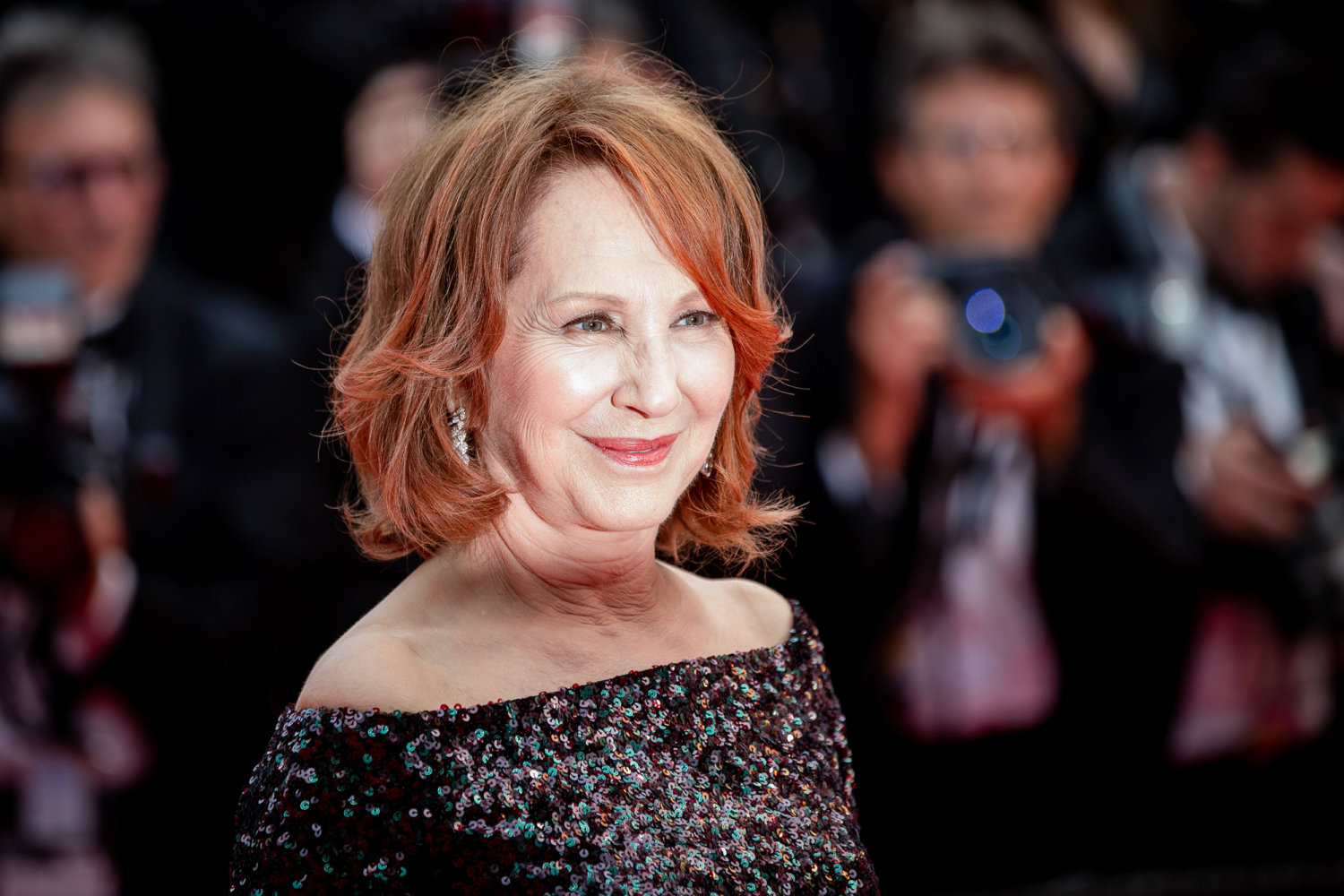
Who Was Nathalie Baye?
Born on July 6, 1948, in Mainneville, France, Nathalie Baye began her acting journey in the early 1970s. She quickly rose to prominence as a leading figure in modern French cinema, earning recognition for her ability to portray complex and emotionally rich characters.
Unlike many celebrities, Baye maintained a relatively private personal life, allowing her work to speak for itself. Her focus on craft over fame helped her build a reputation as a serious and dedicated artist.
Over the years, she became synonymous with authenticity, often delivering performances that felt both natural and deeply moving.
A Career That Spanned Generations
Nathalie Baye appeared in more than 80 films and television productions throughout her career. She collaborated with some of the most respected directors in Europe and earned numerous accolades for her performances.
Among her achievements were multiple César Awards, France’s most prestigious film honors. These awards recognized not only her talent but also her consistency and commitment to excellence.
Her acting style was often described as understated yet powerful. Rather than relying on dramatic gestures, Baye conveyed emotion through subtle expressions, making her performances resonate strongly with audiences.
Her Impact on Hollywood
Although primarily known for her work in France, Nathalie Baye also reached international audiences through her appearance in Catch Me If You Can (2002), directed by Steven Spielberg.
In the film, she portrayed the mother of the main character played by Leonardo DiCaprio. While her role was not the central focus of the story, her performance stood out for its emotional nuance and authenticity.
This role introduced Baye to a broader global audience and demonstrated her ability to adapt seamlessly to different cinematic styles. Her presence in a major Hollywood production highlighted her international appeal and versatility as an actress.
A Unique Acting Style
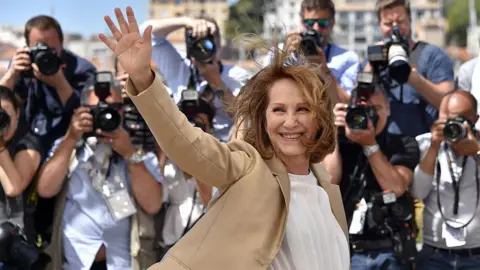
One of the defining characteristics of Nathalie Baye’s work was her minimalist approach to acting. She often relied on silence, facial expressions, and subtle gestures to convey deep emotional states.
This understated style set her apart from many of her contemporaries. It allowed viewers to engage more deeply with her characters, as her performances felt genuine and relatable.
Critics frequently praised her for bringing complexity to even the simplest roles. Whether playing a leading character or a supporting role, Baye consistently delivered performances that added depth to the story.
Influence on French Cinema
Nathalie Baye played a significant role in shaping the image of modern French cinema. Her work helped define a generation of films that emphasized realism, character development, and emotional authenticity.
She often portrayed strong, independent women, contributing to a broader representation of female characters on screen. Her performances reflected both strength and vulnerability, making her characters memorable and impactful.
In addition to her on-screen work, Baye served as an inspiration for younger actors. Her dedication to her craft and her ability to maintain a long and successful career made her a role model within the industry.
A Private and Professional Life
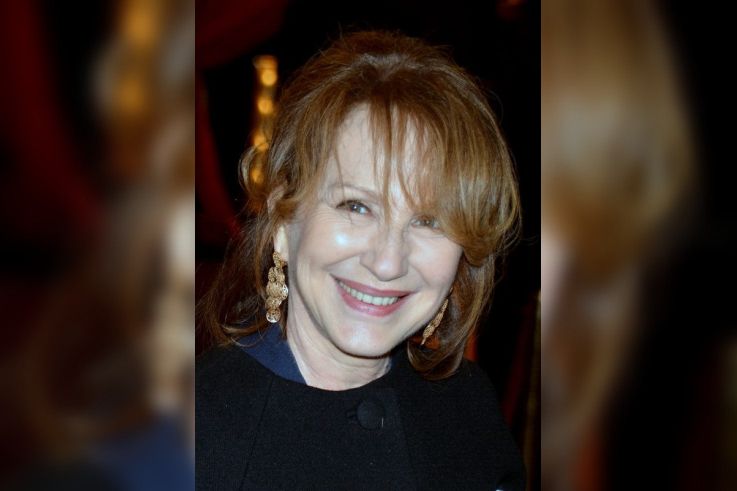
Throughout her career, Nathalie Baye maintained a reputation for professionalism and discretion. She rarely engaged in public controversies or media sensationalism.
Her decision to keep her personal life private allowed her to focus entirely on her work. Colleagues often described her as disciplined, thoughtful, and deeply committed to her roles.
This balance between public recognition and personal privacy contributed to her enduring respect within the film community.
The News of Her Passing
The announcement of Nathalie Baye’s passing on April 19, 2026, quickly spread across international media. Tributes poured in from fellow actors, directors, and fans who admired her work.
Many remembered her not only for her talent but also for her contributions to the cultural landscape of cinema. Social media platforms were filled with messages honoring her legacy and celebrating her most iconic performances.
Her passing marks the end of an era, particularly for those who followed French cinema over the past several decades.
A Lasting Legacy
Nathalie Baye’s legacy extends far beyond her filmography. She represents a generation of actors who valued artistry, discipline, and authenticity.
Her work continues to be studied and appreciated by film enthusiasts, students, and professionals alike. The emotional depth she brought to her roles remains a benchmark for aspiring actors.
Even as the film industry evolves, her performances serve as a reminder of the power of subtle, character-driven storytelling.
Why Nathalie Baye Will Be Remembered
There are several reasons why Nathalie Baye remains a respected figure in global cinema:
- Consistency: She maintained a high standard of performance throughout her career
- Authenticity: Her acting style felt natural and emotionally honest
- Professionalism: She focused on her craft rather than public attention
- Influence: She helped shape modern French cinema and inspired future generations
These qualities ensured her place as one of the most admired actresses of her time.
Reflecting on Her Contribution to Film
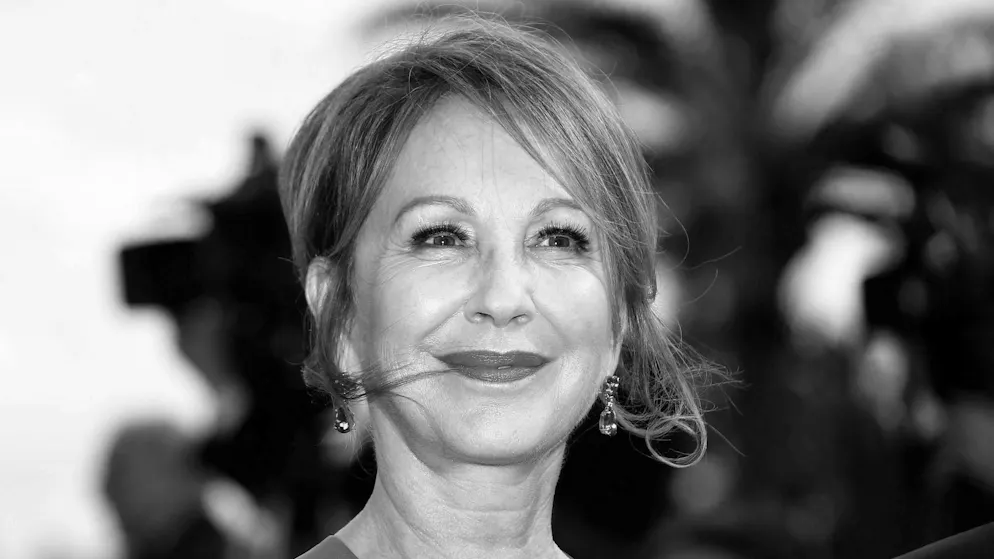
The passing of Nathalie Baye invites reflection on the enduring impact of her work. Her films continue to offer insight into human emotions, relationships, and experiences.
As audiences revisit her performances, they are reminded of the quiet strength and depth she brought to every role. Her ability to connect with viewers on an emotional level remains one of her greatest achievements.
Conclusion
Nathalie Baye was more than an actress—she was a symbol of dedication to the art of cinema. From her early days in French film to her appearance in Hollywood productions like Catch Me If You Can, she demonstrated a rare combination of talent, discipline, and authenticity.
Her passing at the age of 77 is a significant loss for the film world, but her legacy will continue to live on through her work.
For generations to come, Nathalie Baye will be remembered as an artist who brought sincerity and depth to the screen—qualities that define truly great cinema.