

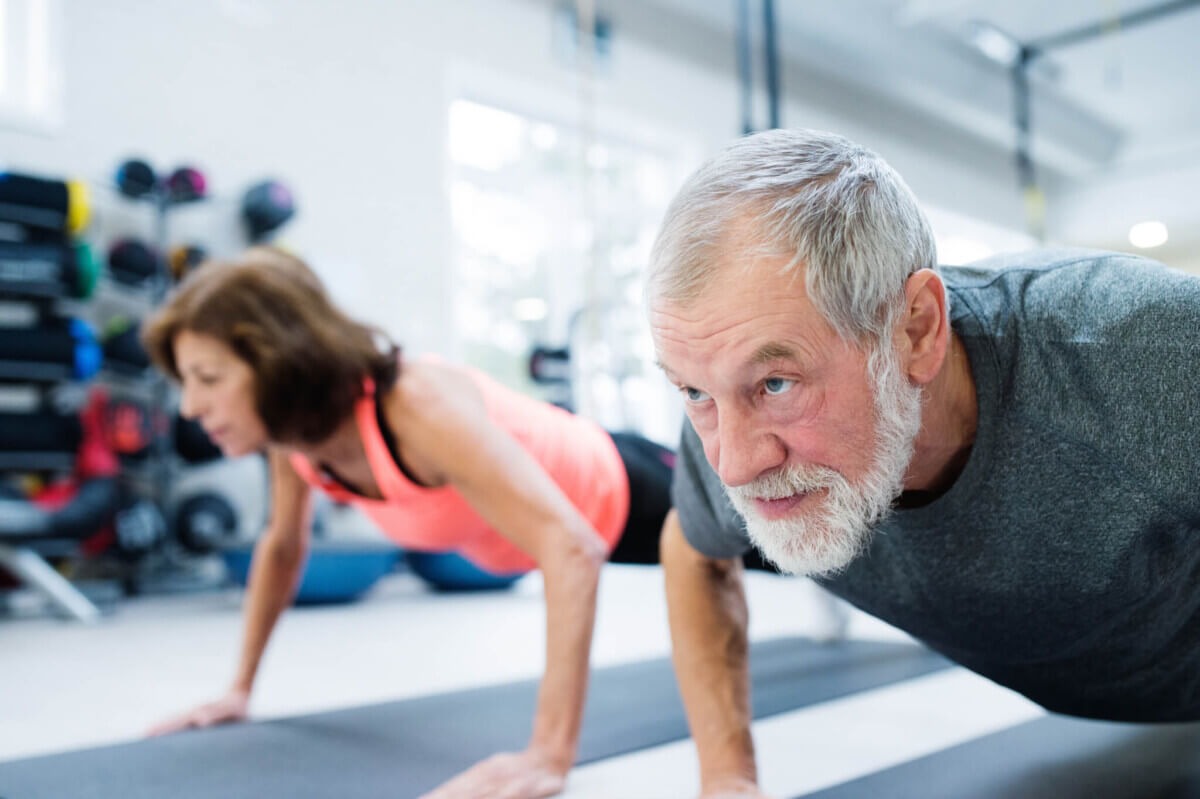
For many people, aging is associated with visible signs like gray hair or a slower pace of life. These changes are easy to notice and widely discussed. But beneath the surface, more subtle transformations are taking place, especially in areas that are rarely part of everyday conversation.
One man, reflecting on his early fifties, once described it this way: “Nothing changed overnight. It was gradual. I just started to notice that things didn’t feel exactly the same.” His experience is far from unique. Across the world, countless men go through similar transitions, often without clear information or open dialogue to guide them.
This article explores how aging affects the male body from both a scientific and cultural perspective. It sheds light on the biological processes involved, while also examining why these topics remain relatively under-discussed.

Understanding the Biology of Aging in Men
The Role of Circulation
One of the most important physiological changes associated with aging is a gradual decline in blood circulation efficiency. Over time, blood vessels may become less flexible, and overall cardiovascular performance can shift.
This matters because healthy circulation is essential for delivering oxygen and nutrients to tissues throughout the body. When circulation becomes less efficient, certain areas may not receive the same level of support they once did.
Scientific research suggests that even small changes in vascular function can influence how tissues respond, repair, and maintain themselves. These effects tend to develop slowly, which is why many individuals only become aware of them over time.
Changes in Tissue Structure
Another key factor is the transformation of connective tissue. In younger years, tissues are typically more elastic and resilient. They respond quickly and recover efficiently.
As the body ages, collagen production may decrease, and existing fibers can become less flexible. This can lead to a gradual shift in how the body feels and functions.
From a scientific standpoint, this process is part of the natural lifecycle of cells and tissues. It is not considered abnormal, but rather a predictable aspect of human biology.
Nerve Sensitivity and Response
The nervous system also plays a role in how the body changes with age. Nerve signaling may become slightly slower, and sensitivity can evolve over time.
This does not mean a complete loss of function, but rather a shift in how signals are processed and experienced. These changes are often subtle and can vary widely between individuals.
Researchers in neuroscience emphasize that the body continuously adapts, meaning that while certain responses may change, others may become more refined or balanced.
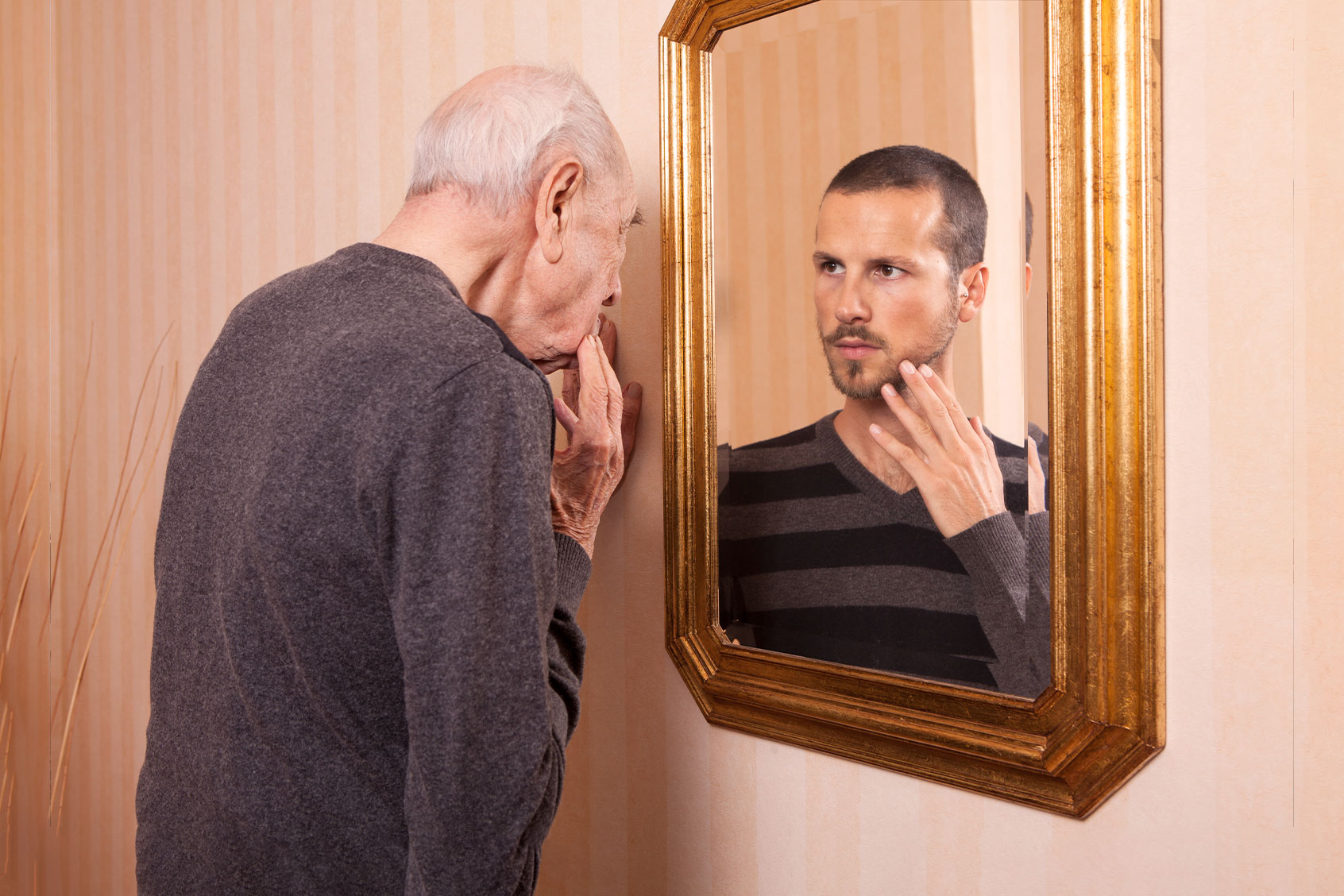
Hormonal Shifts and Their Impact
The Gradual Decline of Testosterone
One of the most widely studied aspects of male aging is the gradual change in hormone levels, particularly testosterone.
Testosterone is associated with energy levels, muscle maintenance, and overall vitality. As men age, levels of this hormone tend to decrease slowly rather than suddenly.
This gradual shift can influence multiple systems in the body, including metabolism, mood, and tissue health. However, it is important to note that the rate and extent of change differ significantly from person to person.
A Balanced Perspective on Hormones
While hormonal changes are often discussed in dramatic terms, scientific consensus suggests a more nuanced view.
Rather than representing a sudden loss of vitality, these changes are part of a broader process of adaptation. The body adjusts to new levels and continues to function effectively, albeit differently than before.
Understanding this can help reduce unnecessary concern and encourage a more realistic perspective on aging.

Cultural Silence Around Male Aging
Why the Topic Is Rarely Discussed
Despite being a universal experience, many aspects of male aging remain underrepresented in public conversation.
In many cultures, there is an expectation for men to maintain a sense of strength and consistency over time. This can make it more difficult to openly discuss natural changes in the body.
As a result, individuals may rely on informal sources of information, which are not always accurate or helpful.
The Influence of Media Narratives
Media representations often emphasize youth and performance, creating an unrealistic standard that can be difficult to maintain.
This can lead to a disconnect between expectation and reality, where natural changes are perceived as unusual rather than expected.
From a sociological perspective, this gap highlights the importance of more balanced and inclusive conversations about aging.
Scientific Insights Into Variability
Not All Aging Is the Same
One of the most important findings in modern research is that aging does not follow a single, uniform pattern.
Genetics, lifestyle, environment, and overall health all play significant roles in determining how the body changes over time.
For example, two individuals of the same age may experience very different levels of physical change depending on their daily habits and long-term health practices.
The Role of Lifestyle Factors
Scientific studies consistently show that lifestyle choices can influence how the body ages.
Regular physical activity supports cardiovascular health and circulation. Balanced nutrition provides essential nutrients for tissue maintenance. Avoiding harmful habits can help preserve overall function.
These factors do not stop aging, but they can affect how gradual and manageable the process feels.

The Importance of Awareness and Education
Moving Beyond Assumptions
Many misconceptions about aging stem from a lack of accessible, accurate information.
By understanding the biological processes involved, individuals can replace uncertainty with knowledge. This shift can lead to more informed decisions and a greater sense of control.
Encouraging Open Conversations
Open discussion plays a crucial role in reducing stigma and confusion. When people feel comfortable talking about natural changes, they are more likely to seek reliable information and support.
Healthcare professionals and educators increasingly emphasize the value of communication in promoting long-term well-being.
A Balanced View of Aging
Adaptation Rather Than Decline
It is easy to frame aging as a process of loss, but this perspective does not fully capture the complexity of what is happening.
From a scientific standpoint, aging is better understood as a process of adaptation. The body adjusts to new conditions, maintaining function in different ways.
This perspective aligns with broader research on human development, which highlights both challenges and opportunities at every stage of life.
Recognizing Individual Experience
Each person’s experience of aging is unique. While general patterns exist, the details can vary widely.
Recognizing this individuality helps create a more realistic and compassionate understanding of the process.

Practical Considerations for Healthy Aging
Supporting Circulation and Tissue Health
Maintaining cardiovascular health is one of the most effective ways to support overall function. Activities such as walking, swimming, or other forms of regular exercise can contribute to better circulation.
Nutrition and Recovery
A balanced diet that includes essential vitamins, minerals, and protein supports tissue maintenance and repair. Adequate rest also plays a critical role in allowing the body to recover and adapt.
Consistency Over Perfection
Small, consistent habits often have a greater impact than occasional intense efforts. Over time, these habits can contribute to a more stable and manageable aging process.
Conclusion: Curiosity Leads to Understanding
Aging is a universal experience, yet many aspects of it remain misunderstood or overlooked. The changes that occur within the male body are not sudden or mysterious, but gradual and deeply rooted in biology.
By combining scientific knowledge with cultural awareness, it becomes possible to see these changes in a new light. Rather than something to fear or ignore, they can be understood as part of a natural progression.
Human curiosity has always driven the search for answers. When applied thoughtfully, it transforms uncertainty into understanding. In the case of aging, this curiosity allows us to move beyond assumptions and toward a clearer, more balanced view of what it means to grow older.
Sources
National Institute on Aging
Harvard Health Publishing
Mayo Clinic
American Heart Association
Cleveland Clinic