
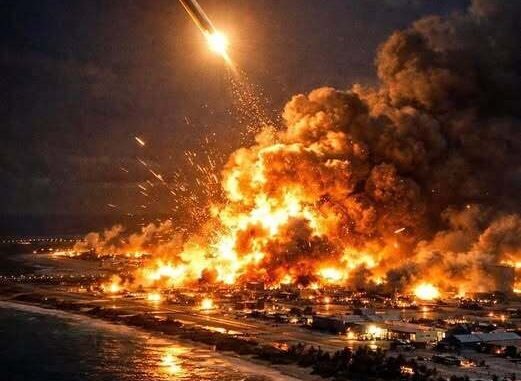
In the hyper-accelerated digital landscape of 2026, the architecture of truth has become increasingly fragile. A single notification, pushed to billions of devices in a heartbeat, can ripple across the globe in mere seconds. This speed has fundamentally blurred the boundary between genuine international crises and viral fabrications. Recently, the world witnessed a prime example of this phenomenon: a dramatic, high-stakes claim began circulating with ferocity across social media platforms, alleging that a significant military strike had been launched against a major installation on the remote island of Diego Garcia.
The reports were framed with extreme urgency, utilizing highly charged language to describe long-range ballistic systems crossing thousands of kilometers of open ocean to strike one of the most secure and strategically significant sites in the Indian Ocean. To the casual observer scrolling through a feed, the narrative felt visceral and imminent. However, as is often the case with sensationalized online reporting, a disciplined investigation reveals a profound lack of corroborated evidence. This incident highlights the growing tension between the raw speed of information and the vital, yet slower, necessity of factual accuracy.
The Strategic Gravity of Diego Garcia
To understand why a claim of this magnitude spreads with such viral intensity, one must first recognize the geographical and political weight of the target. Diego Garcia is not merely a remote speck of land; it is a linchpin of international maritime and aerial strategy.
Located within the British Indian Ocean Territory and operated through a joint partnership between the United Kingdom and the United States, the island serves as:
-
A Critical Hub for Long-Range Deployments: Providing a platform for advanced bomber operations.
-
Naval Logistics: Acting as a primary staging ground for naval maneuvers across the Indo-Pacific.
-
Intelligence Surveillance: Serving as a sophisticated ear for regional monitoring.
Any authentic kinetic event at this facility would not remain a “social media secret” for long. It would trigger immediate, high-priority coverage from every major global news organization, from the BBC to the Wall Street Journal. Furthermore, in 2026, the world is draped in a layer of commercial and governmental sensors. The total absence of official diplomatic statements, real-time satellite imagery of damage, or independent journalistic corroboration strongly suggests that the circulating narrative was a work of speculation—or intentional manipulation—rather than a documented reality.

The Mechanics of Modern Misinformation
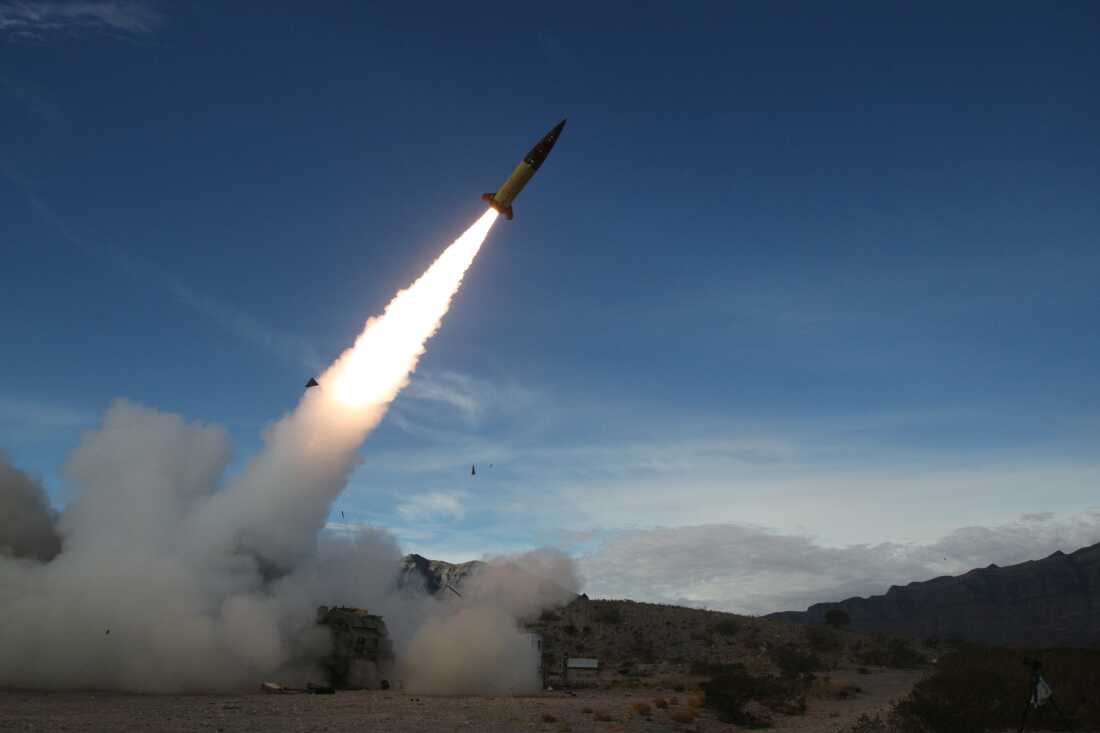
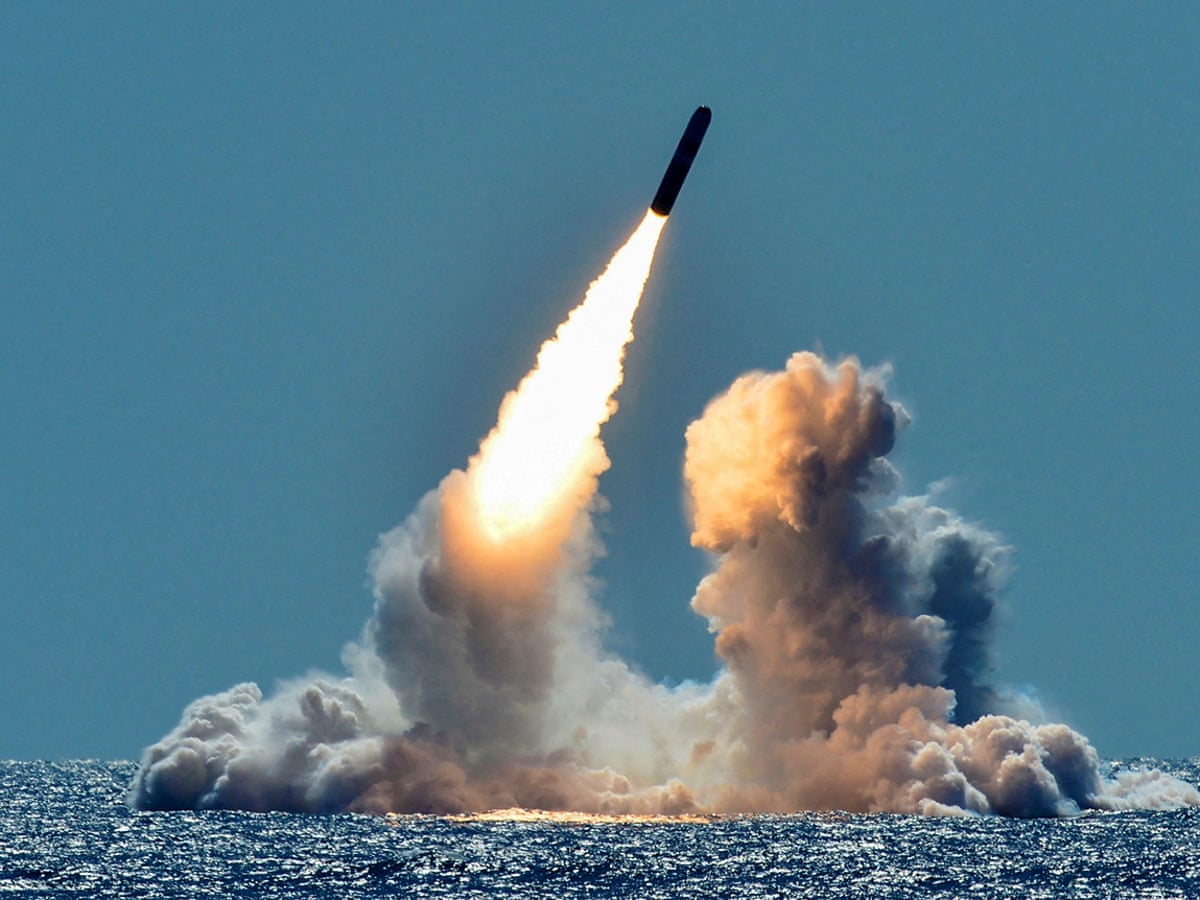
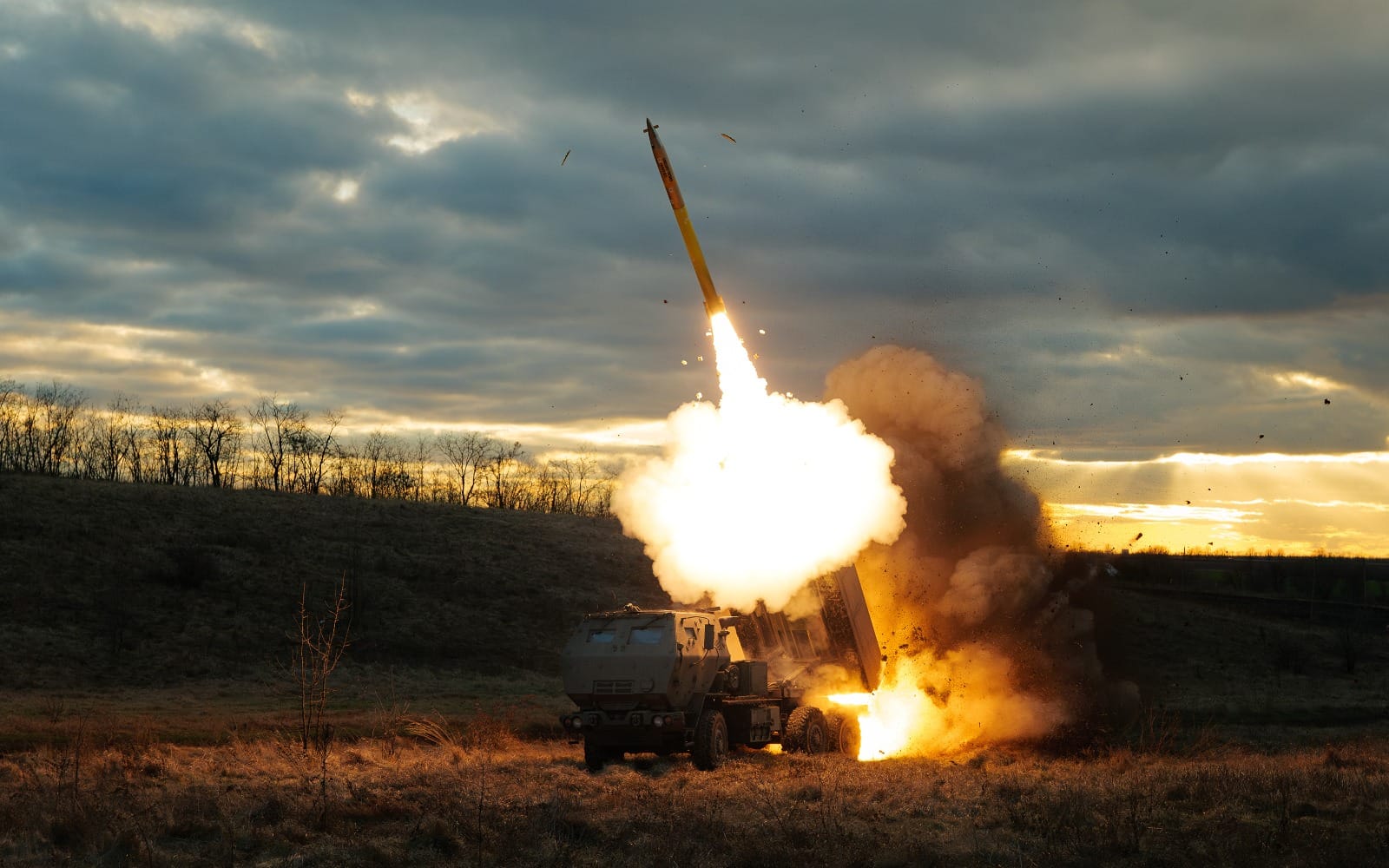
The viral posts specifically referenced a projectile traveling approximately 4,000 kilometers. Technically, this would classify the hardware as an Intermediate-Range Ballistic Missile (IRBM). These systems occupy a complex and highly sensitive category of weaponry, sitting between theater-range regional hardware and the massive reach of intercontinental systems.
While regional powers have made undeniable technological leaps in their aerospace capabilities, an unprovoked strike on a distant, high-value facility would represent a geopolitical escalation of the highest order. Such an event simply cannot occur in a vacuum of data. In the current era, global early-warning satellite constellations are designed to detect the distinct thermal signatures of a launch the moment it clears the pad. Trajectories are tracked by radar nets in real-time, and regional defense protocols would activate globally. The fact that no such data emerged in the wake of the social media “breaking news” raises terminal doubts about the legitimacy of the reports.
The Psychological Blueprint of a Viral Hoax
The rapid dissemination of this misinformation exposes deep-seated systemic challenges in how we consume media today. In the digital economy of 2026, credibility is often used as a veneer for sensationalism. To bypass our natural skepticism, misleading posts frequently employ a specific set of psychological triggers:
-
Emotional Anchoring: Using words like “catastrophic,” “imminent,” or “unprecedented” to provoke a reflexive response.
-
The Authority Illusion: Referencing prestigious publications (e.g., “per reports from the WSJ”) without providing direct, verifiable links to the actual source material.
-
Graphic Specificity: Describing “shattered infrastructure” or “smoke plumes” to create a mental image that replaces the need for actual photographic evidence.
-
All-Caps Urgency: Formatting headlines to mimic official emergency broadcasts, encouraging users to “share before it’s deleted.”
These techniques are designed to exploit human trust, creating a false impression that the information has already been vetted by traditional journalistic filters. By bypassing critical thinking and leaning into fear, these narratives transform the average user into an unwitting amplifier for unverified claims.
The Real-World Impact of Digital Speculation
The consequences of these digital mirages extend far beyond harmless online chatter. The “digital fog of war” carries tangible risks that can destabilize the real world in several ways:
-
Market Volatility: False reports of conflict can trigger algorithmic trading spikes, causing sudden drops in energy markets or defense stocks.
-
Diplomatic Static: Governments must spend precious time and diplomatic capital debunking fictions rather than addressing real regional tensions.
-
Public Erosion of Trust: When people are repeatedly exposed to “crying wolf” scenarios, they become desensitized. This “cynicism fatigue” makes it harder for society to recognize and respond to genuine, verified threats when they eventually emerge.
Consequently, the burden of proof has effectively shifted from the publisher to the consumer. In 2026, the responsible reader must act as their own editor-in-chief, applying a disciplined framework of scrutiny:
-
Multi-Source Verification: Is the event being reported by at least three independent, reputable news organizations?
-
Official Confirmation: Have there been any briefings from relevant ministries of defense or foreign affairs?
-
Data Consistency: Are the technical details (distances, weapon types, impact descriptions) consistent and logical?
Media Literacy as a Civic Necessity
A responsible citizen in the mid-2020s recognizes that the digital fog of war is often thicker than the reality on the ground. In the hours following the alleged incident at Diego Garcia, the “silence” from space—the lack of infrared data and satellite imagery—was the loudest piece of evidence available. It indicated that the event was a narrative construction, not a kinetic one.
While geopolitical tensions in the region are certainly real and require careful management, responding to them effectively demands verified intelligence and sober analysis. Panicked reactions to unsubstantiated social media threads only serve the interests of those who wish to create chaos or sow discord.
Conclusion: The Defense of the Critical Mind
As our global society becomes more interconnected, our individual responsibility in shaping the information landscape grows. The story of the strike that never happened serves as a permanent reminder of our current reality: in an era of instant connectivity, the most powerful defense system we possess is not a kinetic interceptor, but a critical mind.
Engaging with primary sources, refusing to amplify the unverified, and practicing healthy skepticism are not just personal habits—they are essential civic duties. In high-stakes international relations, clarity is a requirement for stability. It is always better to wait for the arrival of verified facts than to contribute to the velocity of fiction. Truth, after all, remains the only foundation upon which lasting peace and security can be built.
The incident at Diego Garcia underscores a vital lesson for the digital age: while a lie can travel halfway around the world before the truth has even put on its boots, the truth eventually arrives with the weight of evidence that no fabrication can withstand. The question remains: how can we better train the next generation to pause before they post, ensuring that the speed of our technology never outpaces the strength of our wisdom?