

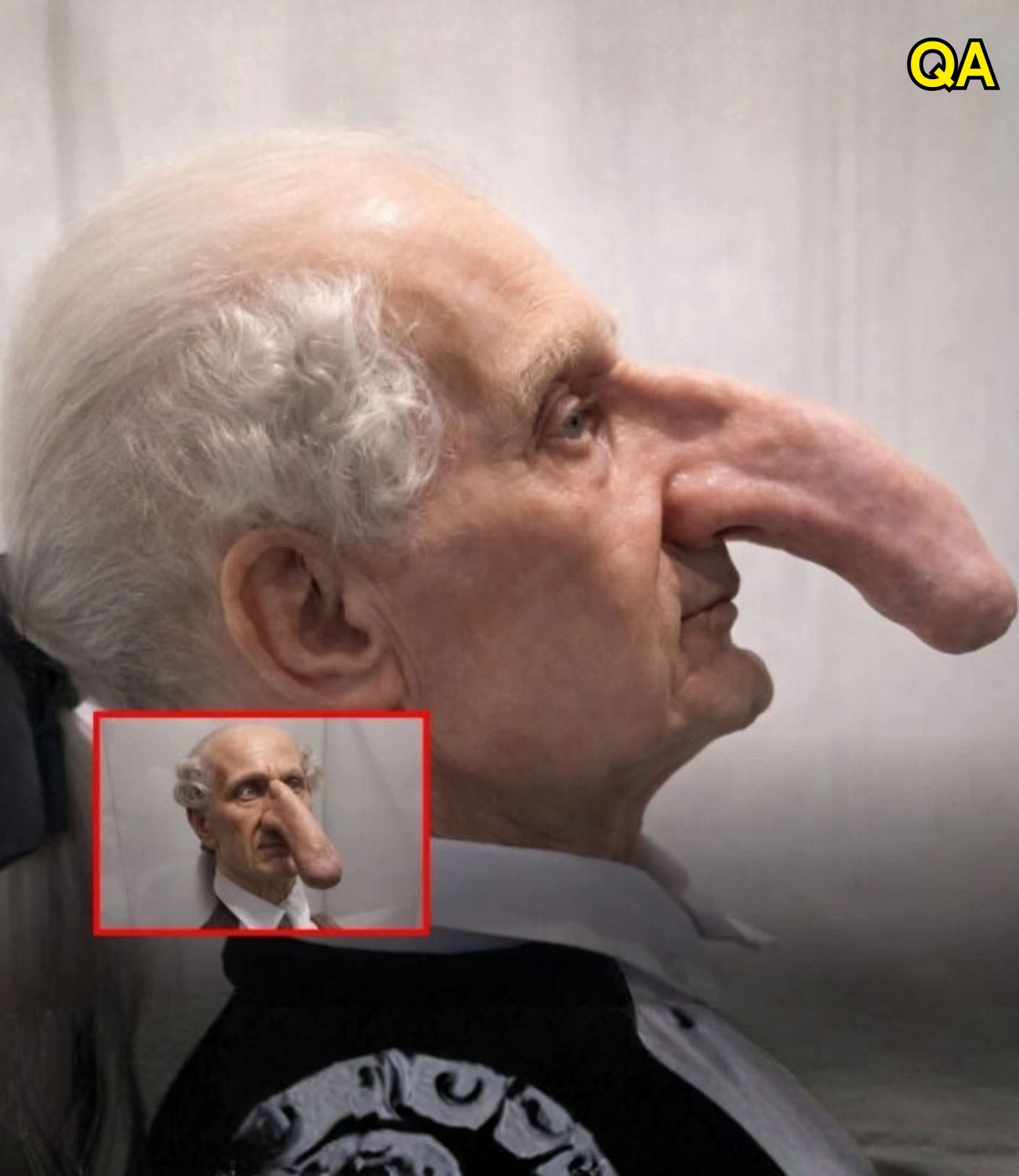
From time to time, images circulate online showing individuals with unusually large or distorted noses. These visuals often spark curiosity and speculation. While some may appear exaggerated or even edited, there are real medical conditions that can affect the size and shape of the nose.
Understanding these conditions helps separate fact from misconception. Below are the most relevant medical explanations, along with what they can—and cannot—cause.

1. Rhinophyma – The Most Common Cause
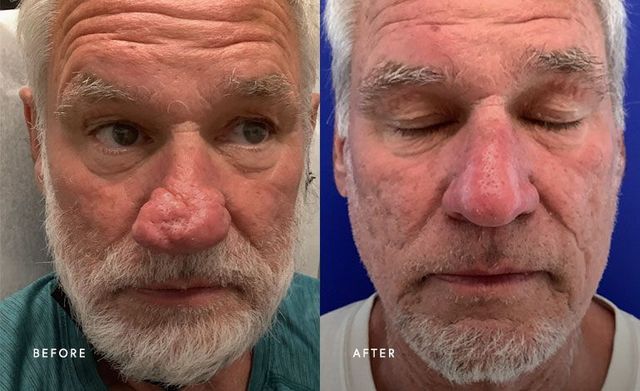
The most realistic and commonly known cause of an enlarged nose is rhinophyma, a condition associated with advanced Rosacea.
Key Characteristics
People with rhinophyma may develop:
A noticeably enlarged, bulbous nose
Thickened skin with a rough or uneven texture
Enlarged pores and small lump-like growths
Redness or discoloration
This condition occurs due to the overgrowth of sebaceous (oil) glands and connective tissue. It typically develops slowly over many years and is more common in older adults.
2. Acromegaly – A Hormonal Condition
Acromegaly is a rare endocrine disorder caused by excessive production of growth hormone, often due to a tumor in the pituitary gland.
Key Characteristics
Individuals with acromegaly may experience:
Enlargement of facial features, including the nose
A more prominent jaw and brow
Increased size of hands and feet

3. Gigantism – When It Occurs Early in Life
Gigantism is closely related to acromegaly but occurs during childhood, before growth plates close.
Key Characteristics
This condition can lead to:
Overall increased body size
Larger facial structure, including the nose
A more pronounced forehead and jaw

4. Rare Possibilities
In very uncommon cases, other factors may affect the structure of the nose, such as:
Soft tissue growths or tumors
Extremely rare congenital differences
Structural changes following injury
These situations are highly individual and vary widely in appearance.
Separating Reality from Online Images
It’s important to recognize that many extreme images circulating online may be altered, taken out of context, or misinterpreted. Real medical conditions usually follow biological patterns and limitations.
While the human body can undergo significant changes due to disease, there are still anatomical boundaries to how those changes appear.

Why Understanding Matters
Learning about these conditions helps reduce misinformation and encourages a more thoughtful perspective. It also highlights the importance of medical evaluation when unusual physical changes occur.
Conditions like Rhinophyma and Acromegaly are treatable or manageable when diagnosed properly.
Conclusion: Curiosity Meets Science
Unusual physical traits often capture attention, but science provides the tools to understand them accurately. While certain medical conditions can significantly alter appearance, they rarely match the extreme forms sometimes portrayed online.
By combining curiosity with knowledge, we can better distinguish between real health conditions and visual exaggeration—leading to a more informed and compassionate view of the human body.