
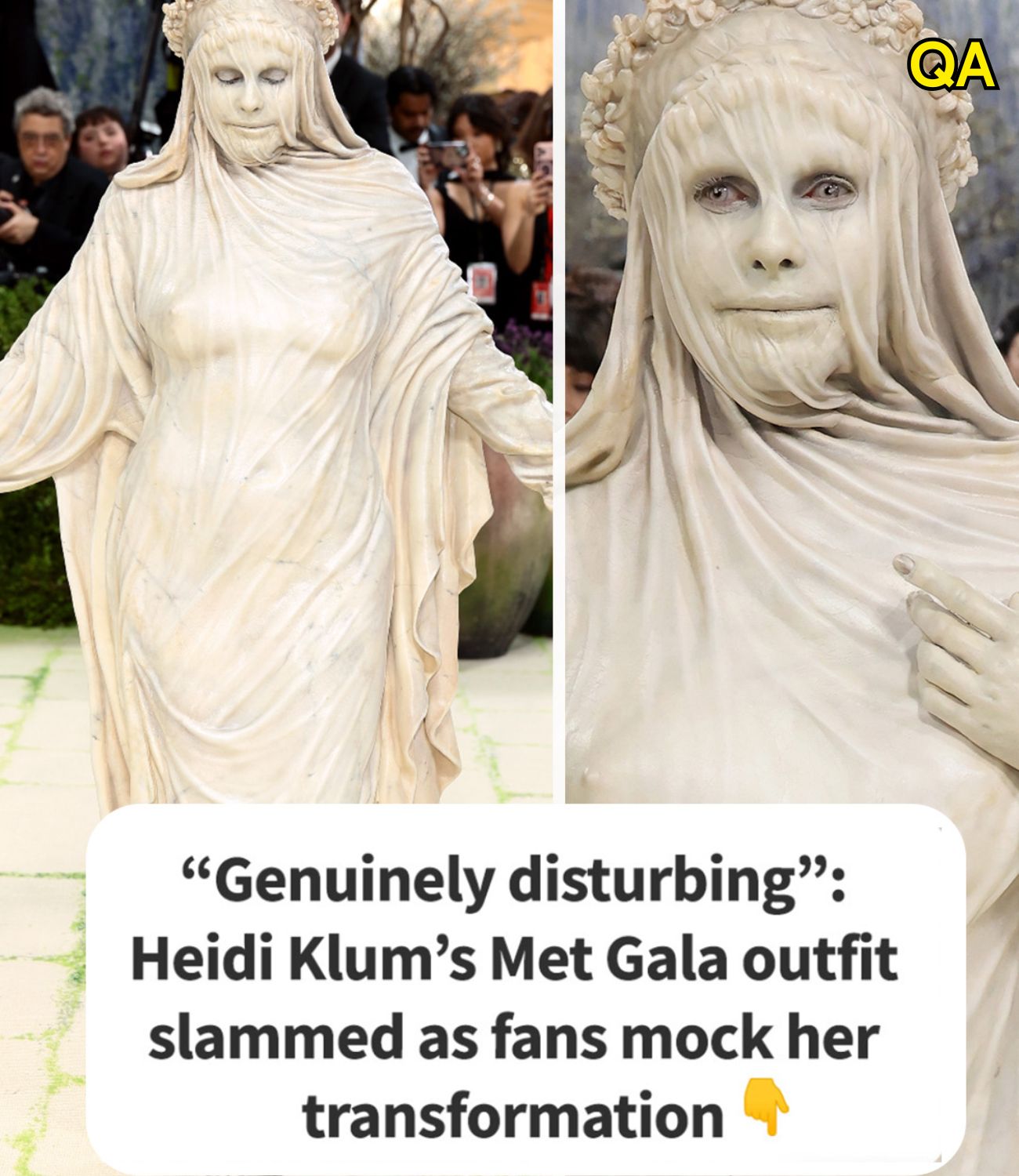
Heidi Klum’s Daring Met Gala Outfit Ignites Diverse Reactions
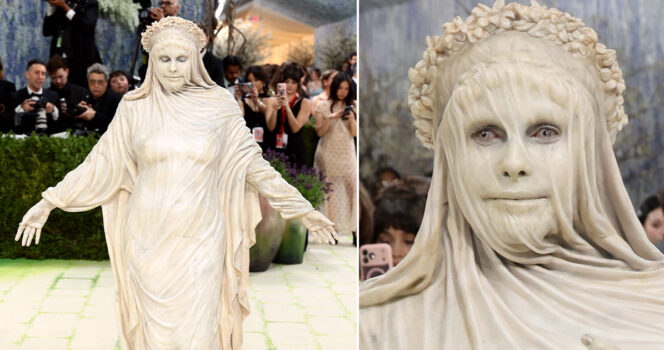
The Met Gala, an annual celebration of fashion and creativity, is known for its extravagant displays and bold interpretations of themes. This year, Heidi Klum’s outfit generated considerable discussion both in favor of and against her artistic expression. Klum has long been a fixture in the fashion world, and her latest appearance, held on Monday, showcased her fearless approach to style while sparking a range of emotional responses online.
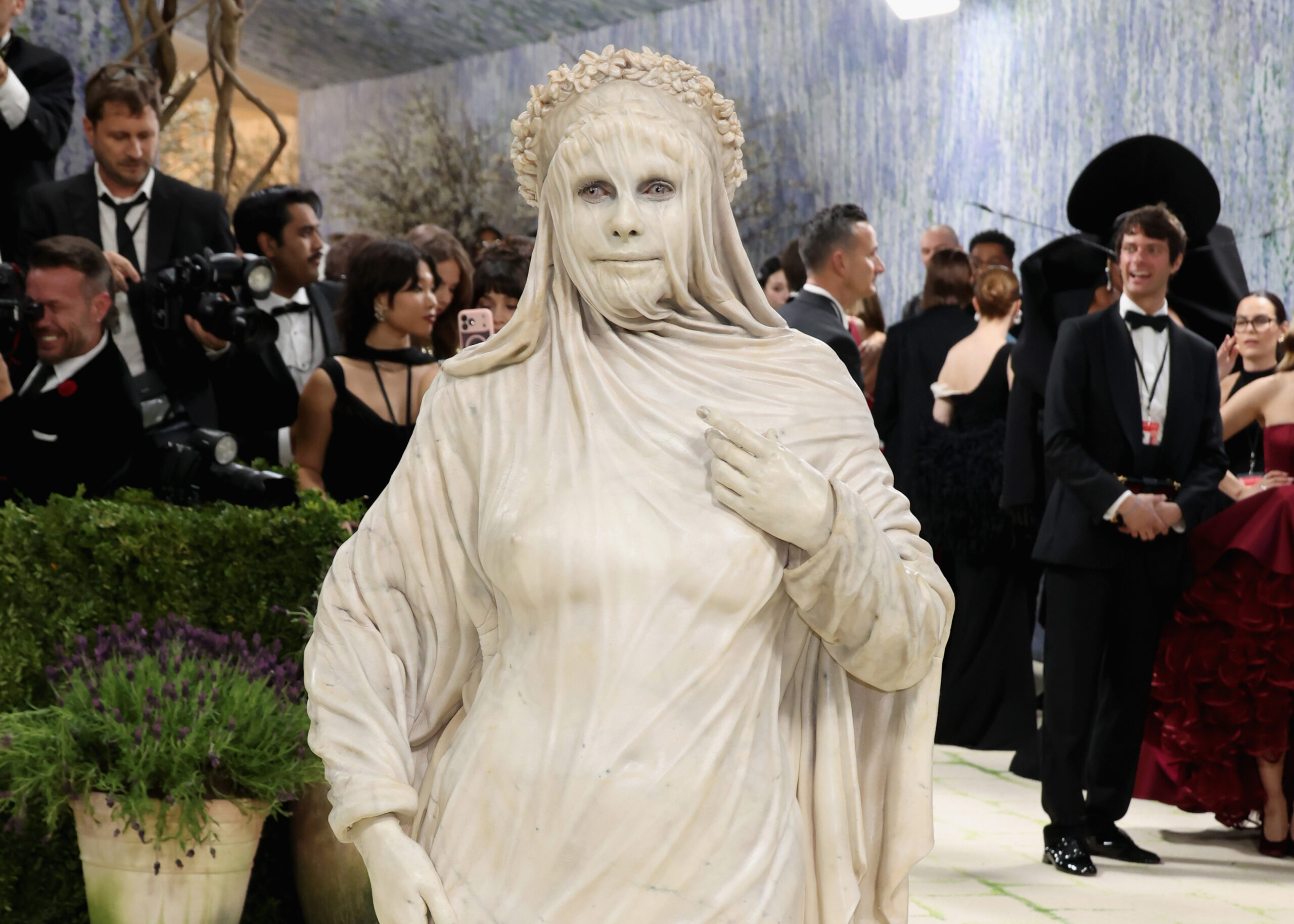
Klum arrived at the 2026 Met Gala embodying the theme “Costume Art” with a transformative outfit that many likened to a “living marble statue.” Her ensemble, characterized by a sculptural and veiled design, was adorned with intricate prosthetics and stone-like detailing, placing her in a category that felt curiously reminiscent of fine art collected in prestigious museums.
Working with renowned makeup artist Mike Marino, Klum’s look drew inspiration from celebrated classical sculptures, including the revered Veiled Christ and the Veiled Vestal. The artistry involved in creating the illusion of carved stone employed advanced techniques such as latex, body paint, and precision prosthetics. This level of craftsmanship was so expertly executed that many viewers initially mistook her appearance for an artificial or AI-generated image, illustrating the blurring lines between art and fashion.
Heidi Klum’s Met Gala Outfit Sparks Reactions
Upon unveiling her avant-garde creation, social media platforms erupted with feedback. Users expressed a spectrum of opinions, reflecting a division in appreciation and criticism. While some praised the exceptional skill and imagination involved in her outfit, others voiced strong disapproval, describing the look as unsettling. Comments ranged from claims that Klum’s presentation was reminiscent of Halloween to assertions that it was “creepy,” “bizarre,” or simply “too much,” with many asserting they didn’t recognize the iconic supermodel at first glance.
In spite of the negative remarks, a significant number of fans rallied behind Klum, advocating for her fearless commitment to the evening’s theme. Supporters highlighted her understanding of the fashion assignment. One user remarked, “She understood the assignment,” while another boasted, “No one does Met Gala like Heidi Klum,” reinforcing her reputation as a trendsetter willing to embrace the unexpected.
This appearance is not an anomaly for Heidi Klum, who is famously dubbed the “Queen of Halloween” for her elaborate costumes and transformations that often leave audiences in awe. Her penchant for theatrical and sometimes outrageous outfits has made her a frequent headliner during major events, demonstrating her ability to consistently surprise and engage viewers. Beyond just the annual Met Gala, Klum’s fashion statements feed into a larger narrative about artistic expression and the evolving landscape of modern fashion.
In recent years, the Met Gala has highlighted themes that encourage attendees to interpret artistry and creativity through their sartorial choices, inviting bold statements that push boundaries. The ongoing debate surrounding Klum’s outfit is indicative of this larger narrative in the fashion world, where artistic license and personal expression can evoke both admiration and criticism. It speaks to the diverse perspectives of fans who have varying tolerances and preferences for what constitutes innovative fashion.
The mixed reactions to Klum’s ensemble prompt important discussions about the role of celebrity fashion in society and the impact it can have on the perception of art. The Met Gala serves not only as an opportunity for celebrities to don remarkable outfits but also as a platform that highlights cultural commentary through fashion. The reactions to Klum’s outfit underscore a broader evolution in fashion where the lines between art, celebrity, and public response are increasingly complex.
Critics argue that fashion can sometimes transcend aesthetics and venture into territory that invokes discomfort or confusion among viewers, which Klum’s outfit seemingly achieved. The challenge for designers and artists in the fashion industry is reconciling the idea of appealing to mainstream audiences with the desire to foster creativity that challenges conventional norms.
The international landscape of fashion, not just confined to events like the Met Gala, prompts ongoing dialogues about cultural appropriation, sustainability, and the ethics of fashion consumption. Klum’s daring statement might lead many to consider how personal expression can also reflect broader societal dialogues about beauty, identity, and innovation.
As with many aspects of modern life, the interpretations of fashion and art are deeply personal and can vary widely from one individual to another. In a world where social media serves as an amplification tool for opinions, Klum’s outfit highlights the transformative power fashion holds, capable of provoking thought and sometimes debate amongst both supporters and adversaries alike.
With this year’s Met Gala leaving an indelible mark on the fashion landscape, Heidi Klum’s bold appearance reiterates her role as a trailblazer in the industry, challenging norms and prompting discussions that extend far beyond mere aesthetics. Fashion is fundamentally about storytelling and expression, and Klum’s dramatic interpretation of the night’s theme invites audiences to engage with the conversation, offering a moment for reflection on what art truly means in the context of high fashion.
Thoughts on this? Please share your opinion in the comment section.
READ MORE
Sources
- Reuters
- BBC
- Al Jazeera
- The Guardian
- World Health Organization (WHO)
- Centers for Disease Control and Prevention (CDC)
- Mayo Clinic