
Visitors often travel to scenic parks searching for excitement, breathtaking views, and memorable experiences. Adventure attractions built around mountains, waterfalls, and natural landscapes have become increasingly popular in many parts of the world, especially across Asia’s growing tourism industry.
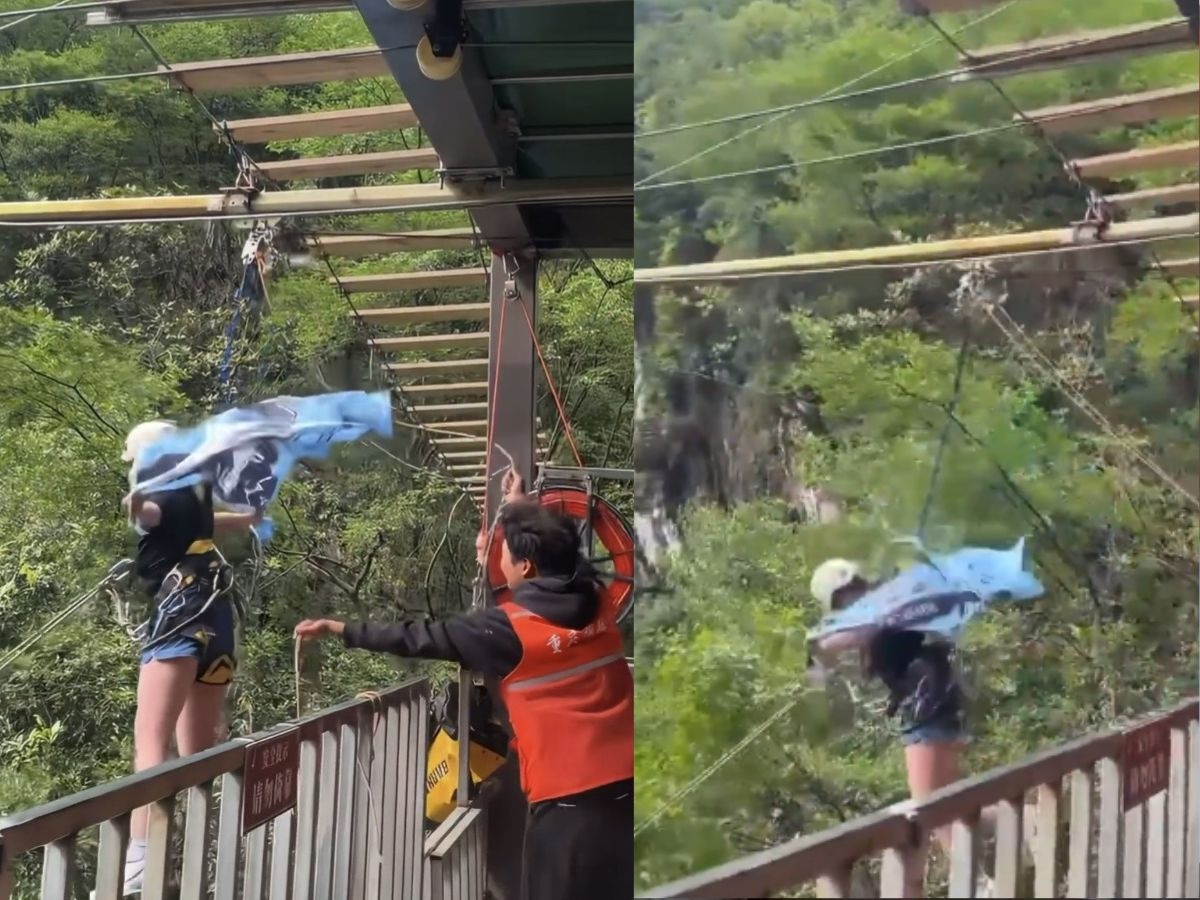
Recently, however, public attention turned toward a reported incident at Maliuyan Adventure Park after local authorities confirmed that a woman was seriously injured while participating in a “waterfall swing” attraction. Officials later stated that she passed away while being transported for medical treatment.
According to reports shared by regional authorities, the incident occurred on May 3 in Huaying. An investigation team was reportedly formed on May 5 to examine the circumstances surrounding the attraction and its operational safety procedures.
The case has since sparked broader conversations online about amusement ride inspections, tourism safety standards, and the growing popularity of high-altitude recreational experiences.
Reports Suggest Safety Concerns Were Raised Moments Before the Ride
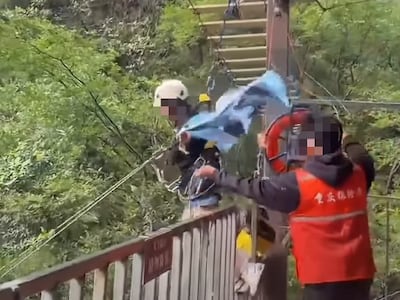
Videos and witness accounts referenced in media coverage indicated that the visitor, identified by the surname Liu, appeared concerned about the security of the ride equipment shortly before the attraction began moving.
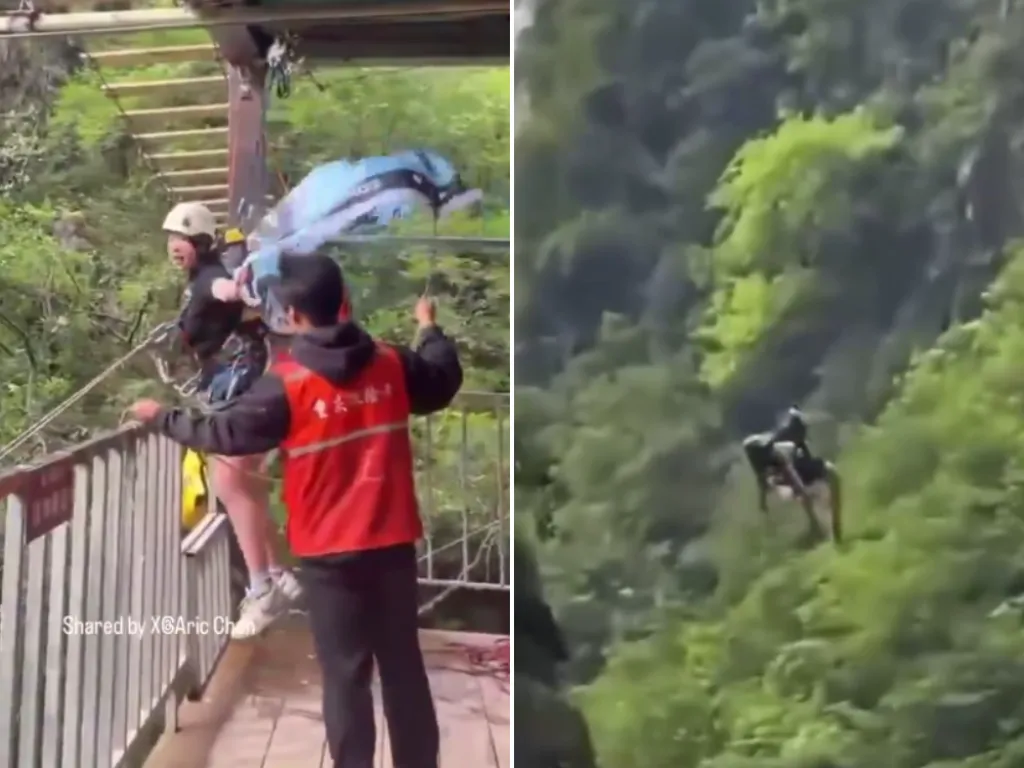
According to reports circulating online, she could reportedly be heard expressing concern that the rope or harness system was “not secured” before the swing moved forward. Moments later, the attachment mechanism allegedly detached during the experience.
Authorities later confirmed that the incident was being investigated as a possible workplace safety responsibility case involving the operating company.
Because investigations remain ongoing, officials have not yet publicly released all technical details surrounding the ride equipment or maintenance procedures. Experts generally caution against drawing final conclusions before formal findings are completed.
Park Operations Temporarily Suspended
Before the incident became widely discussed online, the park had already announced a temporary closure between May 4 and May 10. According to public notices, the suspension was intended to allow for safety inspections and maintenance work involving related attractions and facilities.
Following the incident, authorities reportedly ordered the park to halt operations while safety reviews and corrective measures continue.
Temporary closures after incidents involving amusement rides are common practice in many countries. These pauses typically allow investigators, engineers, and regulators to examine equipment conditions, operational procedures, and compliance with tourism safety regulations.
The Growing Popularity of Adventure Tourism
Over the last decade, adventure tourism has expanded rapidly across the world. Attractions such as suspension bridges, mountain swings, zip lines, glass walkways, and cliffside observation platforms have become major draws for travelers seeking unique experiences.
Scenic parks in regions like Sichuan are especially known for combining natural landscapes with adrenaline-focused attractions designed to attract younger tourists and social media creators.
Experts say the appeal often comes from a combination of excitement, panoramic scenery, and the desire to capture visually dramatic experiences for online sharing.
However, as these attractions become more extreme in design and height, public attention toward operational safety has also increased.
Why Safety Systems Matter in High-Altitude Attractions
Modern adventure rides typically rely on multiple layers of protection, including harness systems, backup attachments, inspection routines, and operator training.
Safety specialists often explain that high-altitude attractions are designed with redundancy in mind, meaning several independent systems should work together to reduce risk in the event of equipment failure or operational mistakes.
Routine maintenance checks are also considered essential. Components exposed to outdoor environments may experience wear from weather conditions, humidity, friction, and repeated use over time.
Industry experts generally recommend that operators conduct:
Regular equipment inspections
Staff safety training
Weight and harness verification procedures
Emergency response planning
Independent engineering evaluations
While authorities have not yet released a complete technical explanation for the incident in Huaying, discussions online have renewed public interest in how adventure parks manage these safety systems.

Public Reaction Across Social Media
The reported incident quickly spread across Chinese and international social media platforms, where users expressed sadness, concern, and sympathy for the woman’s family.
Many commenters also discussed the broader issue of tourism safety oversight. Some users questioned whether attractions that involve significant heights should face stricter inspection standards or more frequent regulatory reviews.
Others pointed out that adventure tourism remains popular worldwide and that millions of people safely enjoy similar attractions each year.
This balance between excitement and safety continues to shape discussions around the future of recreational tourism experiences.
Authorities Continue Investigation
Local officials stated that relevant departments and responsible personnel connected to the company are currently under investigation. Authorities also said follow-up arrangements with the family are ongoing.
Investigations into tourism attraction incidents often involve several areas of review, including:
Equipment installation records
Maintenance history
Staff operational procedures
Emergency response actions
Regulatory compliance documentation
Depending on the findings, authorities may recommend new safety requirements, operational changes, or updated inspection standards for similar attractions in the future.
At this stage, however, officials have emphasized that the investigation remains preliminary.

The Broader Conversation Around Adventure Tourism
Incidents involving amusement attractions frequently reignite discussions about how society balances entertainment, tourism growth, and public safety.
Adventure tourism continues to be a major economic driver in many regions, especially destinations known for mountains, waterfalls, forests, and dramatic landscapes. Parks often compete to offer increasingly unique attractions capable of drawing visitors from around the world.
At the same time, public confidence depends heavily on visible safety measures and transparent oversight.
Experts in tourism management often note that travelers are more likely to trust destinations that openly communicate inspection practices, maintenance schedules, and emergency preparedness procedures.
Human Curiosity and the Desire for New Experiences
The popularity of waterfall swings and other high-altitude attractions reflects a broader human fascination with adventure and exploration. Many people seek experiences that create strong emotional memories, whether through scenic beauty, excitement, or personal achievement.
Attractions built around nature often amplify these emotions by combining physical thrill with breathtaking surroundings.
Yet incidents like the one reported in Sichuan also serve as reminders of the importance of careful engineering, operational responsibility, and consistent safety oversight.
As investigators continue reviewing the circumstances surrounding the case, the story has become part of a larger global conversation about how tourism destinations can continue offering memorable experiences while prioritizing visitor protection.
Sources
- China Daily
- Reuters World News
- Associated Press News
- International Association of Amusement Parks and Attractions
- World Tourism Organization