

When 23-year-old Iryna Zarutska arrived in the United States, she was reportedly searching for stability and a fresh beginning far away from the uncertainty of war in her homeland.
Friends and supporters say she had started building a new life in Charlotte, working long hours at a local restaurant and adapting to a completely unfamiliar environment. Like many newcomers, she hoped that daily routines such as commuting to work, meeting people, and earning a steady income would gradually create a sense of normalcy.
But a tragic incident aboard a public transit train in Charlotte has now drawn widespread attention across the United States and internationally. The case has fueled conversations about public transportation safety, mental health awareness, urban security challenges, and the experiences of refugees trying to rebuild their lives abroad.
As details surrounding the incident continue to emerge, the story has become more than a local crime report. It has evolved into a broader discussion about safety in modern cities and the emotional realities faced by displaced individuals seeking refuge in unfamiliar places.
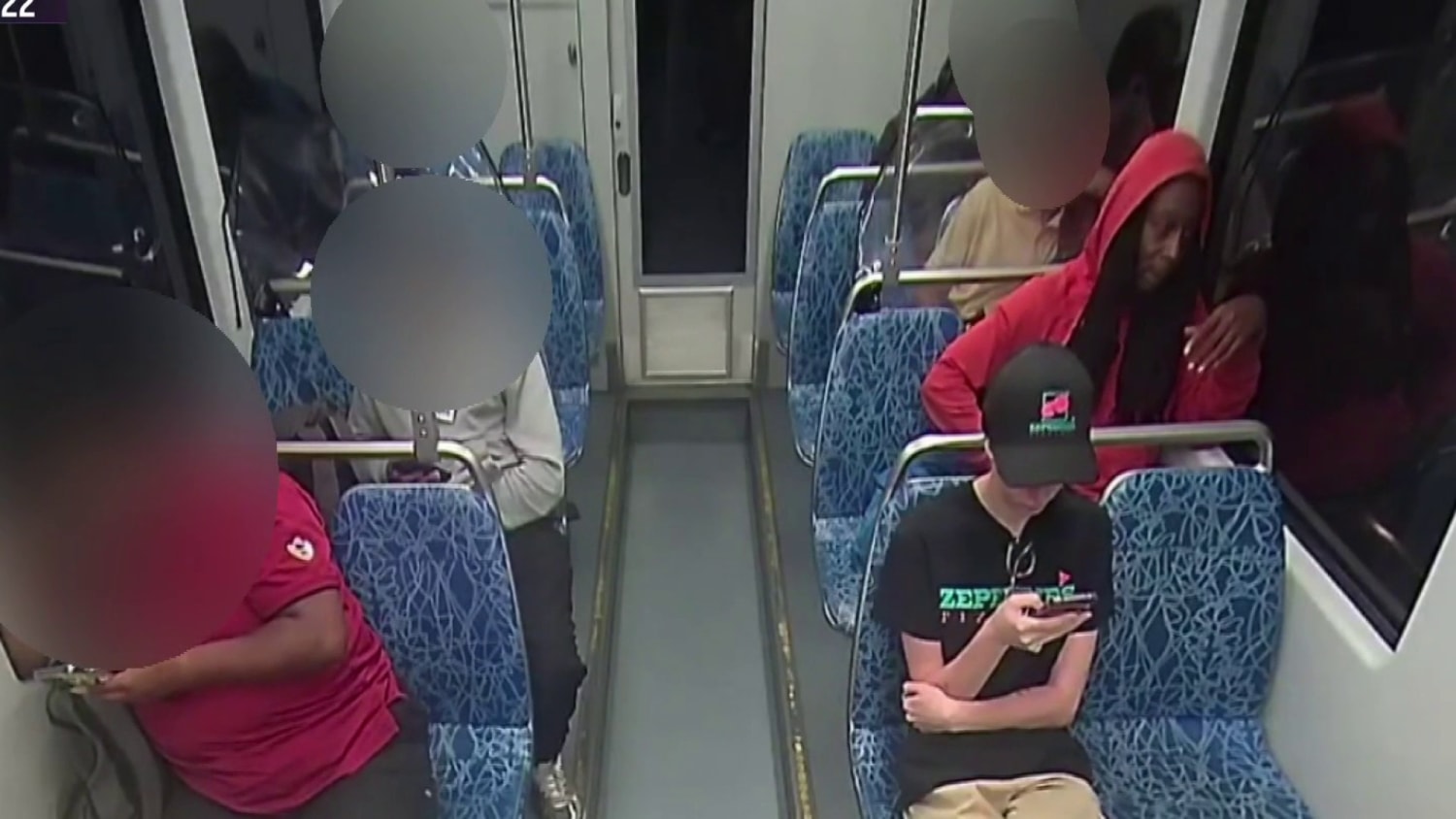
What Happened on the Charlotte Light Rail Train?
According to reports from authorities and local media, Zarutska boarded the Lynx Blue Line after finishing work at a pizzeria in Charlotte.
Investigators later stated that another passenger allegedly approached her during the ride. Authorities say the situation escalated quickly before emergency personnel arrived on the scene.
Police identified the suspect as Decarlos Brown Jr.. Officials later confirmed that he was taken into custody following the incident.
The case immediately generated strong public reaction, particularly because surveillance footage reportedly showed the victim quietly using her phone moments before the event occurred. Many online users described the story as deeply unsettling, especially given Zarutska’s background as someone who had recently left a conflict zone in search of safety.
Authorities have stated that investigations remain ongoing.

Why This Story Resonated Worldwide
News stories involving refugees often carry strong emotional weight because they symbolize both hardship and hope.
For many people, Zarutska represented a young person attempting to rebuild her future after leaving a difficult environment behind. Her journey reflected a larger global reality faced by millions of displaced individuals who relocate to unfamiliar countries searching for opportunity and security.
When incidents disrupt those hopes, public reaction tends to be especially intense.
Social media discussions surrounding the Charlotte case expanded rapidly because the story touched on multiple emotionally powerful themes at once: migration, public safety, vulnerability, and urban life.
Experts in media studies note that stories combining personal tragedy with larger societal issues frequently attract global attention because audiences see them as reflections of broader concerns affecting modern society.
Public Transit Safety in Major American Cities
The incident has also renewed debate over safety on public transportation systems across the United States.
Urban transit networks are essential for millions of commuters every day. Trains, buses, and subway systems connect workers, students, tourists, and residents across large metropolitan areas.
While public transportation remains statistically safe overall, highly publicized incidents can strongly influence public perception.
Transportation experts explain that transit systems face unique challenges because they are open, crowded environments where large numbers of strangers interact in confined spaces. Security officials must balance accessibility, efficiency, and public safety while maintaining smooth operations.
In response to growing concerns, many American cities have increased investments in surveillance systems, transit officers, mental health response teams, and emergency communication technology.
Charlotte officials reportedly announced additional security measures after the incident, including updated camera systems and expanded safety initiatives.
The Psychological Impact of Urban Anxiety
Beyond physical security, stories like this also reveal how modern urban environments can influence emotional well-being.
Large cities offer opportunity, diversity, and economic growth, but they can also create feelings of isolation and unpredictability. For newcomers especially, adapting to unfamiliar transportation systems and social environments may be stressful.
Psychologists note that refugees and immigrants often experience elevated emotional pressure during resettlement. Language barriers, financial uncertainty, homesickness, and cultural adjustment can all contribute to feelings of vulnerability.
When a widely publicized incident occurs within a public space like a train system, it can amplify anxiety among residents and commuters who rely on those services daily.
Mental health experts encourage communities to respond thoughtfully rather than react purely through fear or anger.

The Broader Conversation Around Homelessness and Mental Health
Reports surrounding the case also referenced the suspect’s personal history, including previous interactions with law enforcement and indications of possible mental health struggles.
Advocates caution against oversimplifying these issues or assuming direct connections between homelessness and violence. The vast majority of homeless individuals are not dangerous, and many face significant challenges related to housing instability, healthcare access, and untreated mental illness.
However, urban policy experts acknowledge that many American cities continue struggling with how to address overlapping issues involving homelessness, addiction, mental health care, and public safety.
Incidents like this often intensify political debates about how cities should balance compassion, treatment programs, law enforcement, and transit security.
Researchers emphasize that long-term solutions usually require cooperation between healthcare systems, housing programs, transportation authorities, and local governments.
The Role of Surveillance Technology in Public Transportation
Another major aspect of the Charlotte case involves surveillance footage released during the investigation.
Modern transit systems rely heavily on cameras and monitoring technology to improve security and assist emergency response efforts. High-definition video systems can help investigators reconstruct timelines and identify individuals more quickly.
Supporters argue that expanded surveillance improves accountability and deters dangerous behavior. Critics, however, continue raising questions about privacy and the limits of monitoring in public spaces.
In many major cities, transportation agencies are now investing in advanced camera systems equipped with improved image quality and faster emergency coordination capabilities.
The Charlotte incident may further accelerate discussions about how technology should be integrated into urban safety planning.
Why Viral Crime Stories Spread So Quickly Online
The internet’s reaction to this case highlights how rapidly emotionally charged stories spread in the digital age.
News involving public transit, unexpected danger, or vulnerable victims often gains enormous traction because such stories interrupt people’s sense of routine and safety. Many individuals imagine themselves in similar everyday situations, which creates a strong emotional response.
Social media algorithms also amplify stories that generate high engagement through comments, shares, and emotional reactions.
Media analysts warn, however, that viral attention can sometimes distort public understanding. Online conversations frequently focus on dramatic details while overlooking broader statistical realities or social context.
This is why experts encourage balanced reporting that combines empathy with factual accuracy.

Refugees and the Search for Stability
Globally, millions of displaced people continue rebuilding their lives in new countries after fleeing conflict, economic instability, or humanitarian crises.
For many refugees, resettlement is not simply about physical relocation. It involves learning new systems, adapting to unfamiliar cultures, finding employment, and establishing social support networks from the beginning.
Stories like Zarutska’s resonate deeply because they remind audiences how fragile that process can sometimes feel.
Organizations supporting refugees often emphasize the importance of community inclusion, emotional support services, and safe public infrastructure in helping newcomers integrate successfully.
Although tragic incidents are rare compared to the millions of successful resettlement stories worldwide, highly publicized events can shape public perceptions significantly.
How Cities Are Responding to Transit Security Concerns
In recent years, transportation agencies across North America have expanded efforts to improve commuter confidence and emergency preparedness.
These measures include increased transit patrols, upgraded communication systems, public awareness campaigns, and specialized staff training for crisis response.
Some cities are also experimenting with mental health intervention teams designed to respond to individuals experiencing emotional distress before situations escalate.
Experts say the challenge lies in creating transit systems that remain welcoming and accessible while also maintaining strong safety standards.
Public trust in transportation networks depends heavily on the perception that authorities can respond quickly and effectively during unexpected events.
A Reflection on Safety, Empathy, and Human Resilience
The story of Iryna Zarutska has become part of a much larger conversation about modern urban life, migration, public safety, and emotional vulnerability.
For many people, her journey symbolized resilience and hope. She represented countless individuals around the world attempting to rebuild stability after leaving difficult circumstances behind.
At the same time, the incident aboard the Charlotte train reminds society that public spaces are shaped not only by infrastructure and policy but also by human behavior, social systems, and community responsibility.
As cities continue growing and transportation systems become increasingly interconnected, conversations about safety and compassion will likely remain central to public debate.
Ultimately, stories like this resonate because they touch on universal concerns: the search for security, the unpredictability of life, and humanity’s ongoing effort to build communities where people from every background can feel safe and supported.