

Sometimes the smallest acts of kindness create the biggest transformations.
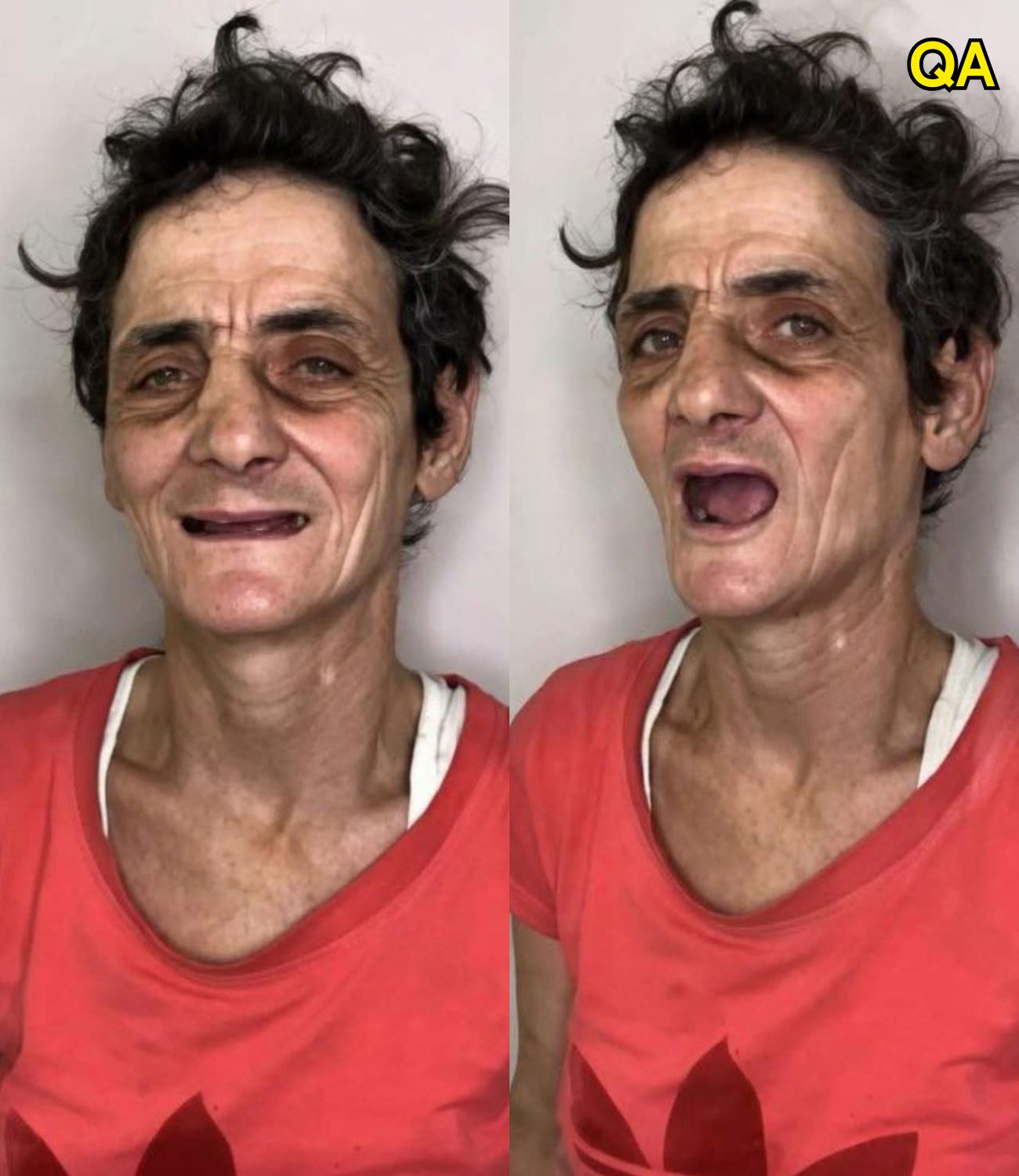
For years, a woman named Rita lived on the streets after experiencing a devastating personal loss that changed the course of her life. Day after day, she survived by collecting bottles and scraps while trying to navigate isolation, hardship, and the quiet judgment that often follows people facing homelessness.
Many people passed by without noticing her story.
But one encounter would eventually change everything.
A makeup artist named Shafag Novruz saw something different when she met Rita. Instead of focusing on her appearance or circumstances, she saw resilience, dignity, and a person who deserved compassion.
What followed became an emotional transformation story that has resonated with viewers online and sparked conversations about homelessness, self-worth, and the impact of human kindness.

How Personal Loss Can Lead to Social Isolation
Experts say major emotional trauma can deeply affect a person’s mental, emotional, and financial stability.
For many individuals experiencing homelessness, the path is rarely caused by a single issue alone. Loss of family support, grief, unemployment, health challenges, or emotional hardship can gradually create circumstances that become difficult to escape.
In Rita’s case, reports connected her years of homelessness to the loss of her only son, an event that reportedly left her emotionally devastated and isolated from support systems around her.
Social workers often explain that isolation can become one of the most difficult parts of homelessness. Over time, people may begin feeling invisible to society, especially when daily survival replaces long-term stability.
Stories like Rita’s remind audiences that every person experiencing hardship has a history, relationships, and emotional experiences that are often unseen by strangers.
The Power of Compassion Over Judgment
One reason Rita’s story gained attention online is because it focused on empathy rather than criticism.
When Shafag Novruz met Rita, she reportedly chose to help in practical and emotional ways rather than simply offering temporary assistance.
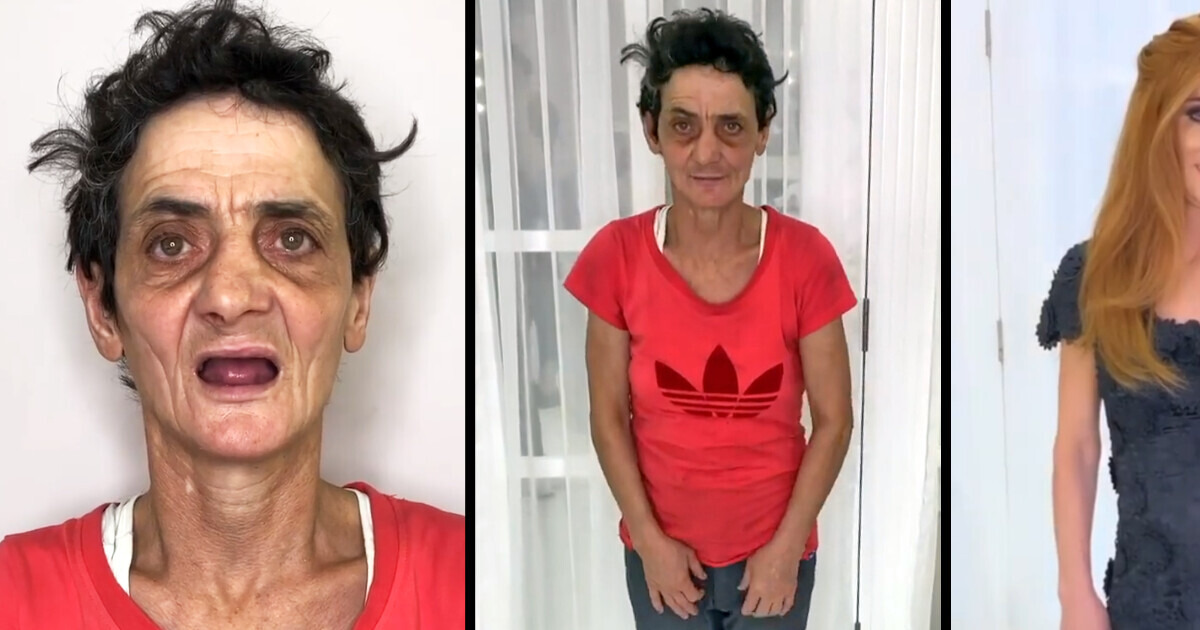
The first step involved arranging dental care to restore Rita’s smile.
According to psychologists and social advocates, self-image can play a major role in confidence and social reintegration. Dental health, grooming, and personal care are often closely connected to emotional well-being and self-esteem.
For someone who has spent years feeling disconnected from society, even small restorative changes can carry deep emotional meaning.
After the dental work, Rita also received hairstyling, makeup, and new clothing as part of a complete makeover.
Viewers online described her emotional reaction as one of the most powerful parts of the transformation.
Why Makeovers Often Have Emotional Impact
Transformation stories involving appearance are popular online, but experts say the emotional response often has less to do with beauty and more to do with identity.
When people face long-term hardship, they may gradually lose connection with how they once saw themselves. Rebuilding confidence can help restore feelings of visibility, dignity, and belonging.
Social workers frequently note that personal care services can positively affect motivation and emotional outlook, especially for individuals rebuilding stability after difficult circumstances.
In Rita’s case, the makeover symbolized more than external change.
It represented recognition.
For perhaps the first time in years, someone looked at her and saw potential rather than failure.
That emotional validation resonated strongly with audiences who watched the story unfold online.
The Growing Conversation Around Homelessness and Dignity
Stories like Rita’s also highlight broader conversations about homelessness and public perception.
Many advocacy organizations emphasize that homelessness is often misunderstood. People experiencing unstable housing frequently face assumptions, stigma, and social exclusion that make rebuilding their lives even harder.
Compassion-focused outreach programs increasingly aim to restore not only physical needs like food and shelter, but also emotional dignity and human connection.
Simple interactions such as respectful conversation, hygiene support, medical care, and emotional encouragement can make meaningful differences.
Public awareness campaigns have also encouraged communities to view homelessness through a more empathetic lens, recognizing that every individual has a personal story behind their circumstances.

Why Emotional Human Stories Go Viral
Human transformation stories consistently attract large online audiences because they tap into universal emotions.
Viewers connect with themes of resilience, recovery, and hope. Stories involving unexpected kindness often spread widely because they offer emotional relief in a world where many news headlines feel overwhelming or negative.
Psychologists suggest that people are naturally drawn to narratives where compassion changes someone’s life trajectory.
These stories remind audiences that positive human actions still matter.
Rita’s transformation became more than just a makeover story online. For many viewers, it symbolized the possibility that dignity and hope can return even after years of hardship.
The Role of Community Support in Recovery
Experts often stress that rebuilding stability usually requires more than one moment of help.
Long-term recovery from homelessness often involves access to healthcare, emotional support, stable housing, employment opportunities, and community connection.
However, small turning points can still become powerful catalysts.
An act of kindness may encourage someone to reconnect with society, seek support services, or begin rebuilding confidence after years of feeling forgotten.
Stories like Rita’s help raise awareness about the importance of community involvement and compassionate outreach efforts.
They also encourage conversations about how ordinary people can contribute positively through volunteering, donations, mentorship, or simple human kindness.

Why Appearance Can Influence Social Opportunity
Research has shown that appearance often affects first impressions in social and professional settings.
While personal worth should never depend on appearance, grooming and healthcare access can influence confidence, communication, and social interaction.
For individuals experiencing homelessness, barriers to hygiene, dental care, and clothing can unintentionally reinforce social exclusion.
Programs offering grooming services, healthcare, and personal care assistance are increasingly recognized as important tools for restoring dignity and improving emotional well-being.
In Rita’s story, restoring her smile became symbolic of something much larger: the return of self-recognition and confidence.
Social Media and the Rise of Compassionate Storytelling
Social media platforms have changed how personal transformation stories are shared globally.
Videos featuring emotional reunions, rescue efforts, or life-changing kindness frequently gain millions of views because they encourage emotional engagement and empathy.
Positive storytelling can inspire audiences to reflect on their own actions and attitudes toward vulnerable individuals.
At the same time, experts encourage viewers to support ethical storytelling that respects dignity and avoids exploitation.
The most impactful stories are often those that focus not on pity, but on humanity, resilience, and empowerment.
Rita’s transformation resonated precisely because it emphasized hope rather than sensationalism.
A Reflection on Human Curiosity and Kindness
People are naturally curious about transformation.
We are drawn to stories where someone overlooked or forgotten suddenly feels seen again. Perhaps that curiosity exists because these stories remind us how deeply human connection matters.
Rita’s journey was not simply about makeup, clothing, or appearance.
It was about recognition.
One person chose to look beyond hardship and respond with compassion instead of judgment. That single decision created a ripple effect that inspired thousands of strangers online.
In a world where many people quietly struggle with grief, loneliness, or invisibility, stories like this serve as gentle reminders that dignity can often begin with something very small: being treated with kindness.
Sources
- National Alliance to End Homelessness
- United Nations – Homelessness and Human Dignity
- American Psychological Association
- National Health Care for the Homeless Council
- Mental Health Foundation