
For generations, the Bermuda Triangle has occupied a unique place in popular culture. Countless books, documentaries, articles, and online discussions have explored stories of ships, aircraft, and unexplained events associated with this region of the Atlantic Ocean.
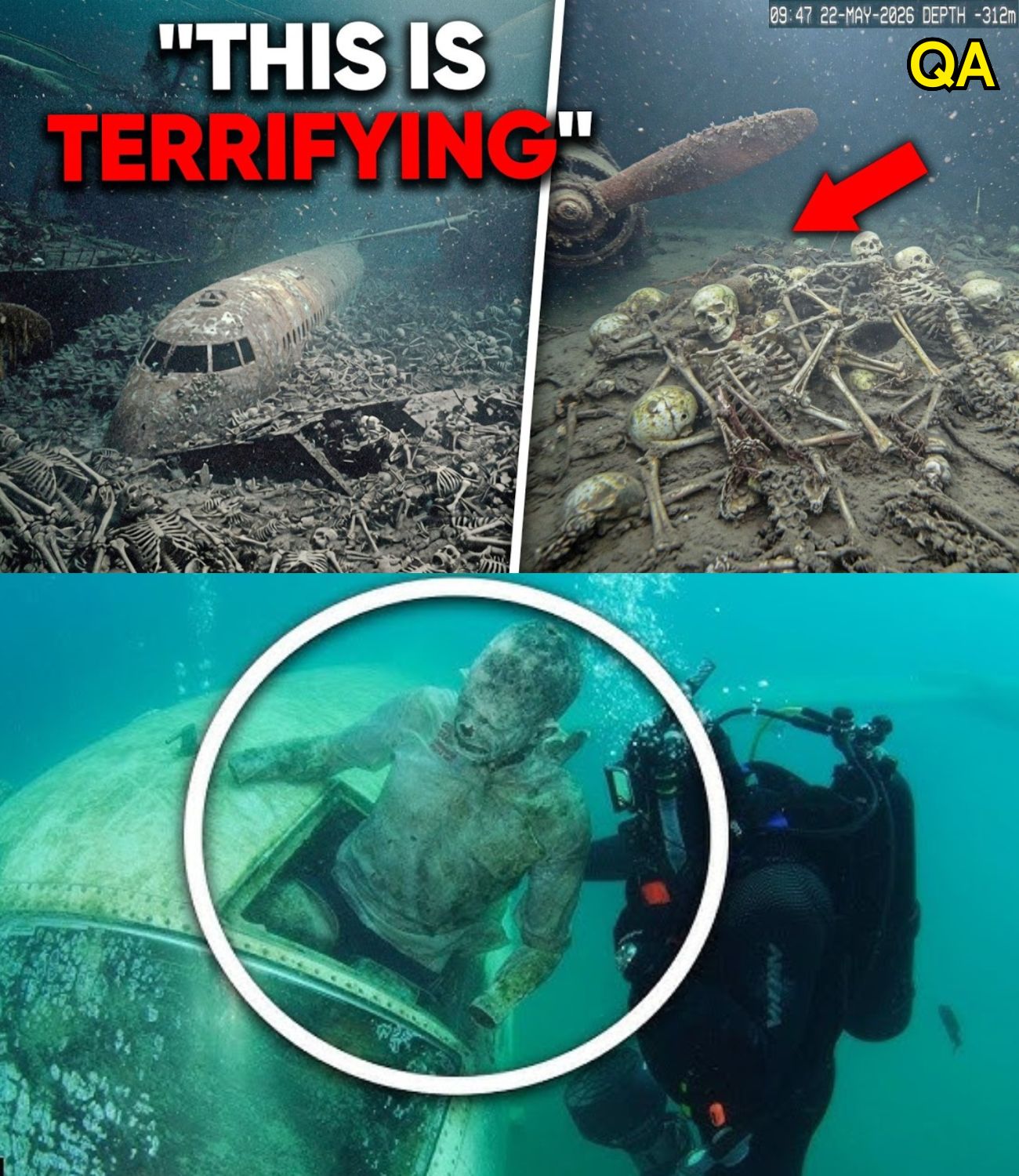
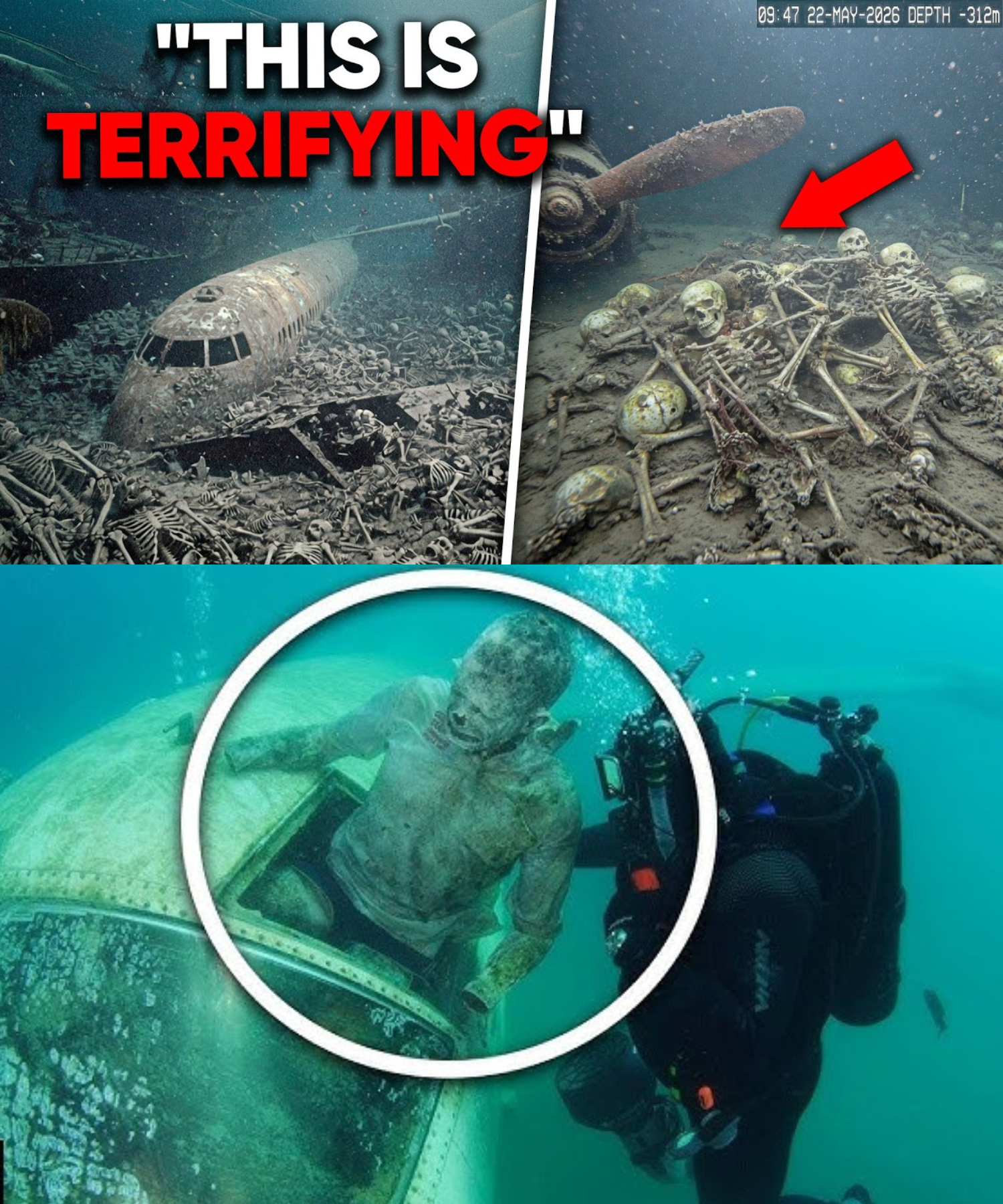
Recently, a dramatic story circulated online claiming that a deep-sea drone reached the bottom of the Bermuda Triangle and discovered a vast field of shipwrecks, unusual geometric formations, mysterious magnetic activity, and unidentified moving objects. The account quickly captured attention because it combined advanced technology, ocean exploration, and one of the world’s most famous maritime legends.
But how much of the story is supported by evidence, and how much remains speculation?
Exploring that question reveals a fascinating intersection of history, science, and humanity’s enduring curiosity about the unknown.
What Is the Bermuda Triangle?
The Bermuda Triangle is a loosely defined region of the western Atlantic Ocean generally bounded by three locations:
-
Miami, Florida
-
Bermuda
-
Puerto Rico
This area covers hundreds of thousands of square miles and includes some of the busiest shipping and aviation routes in the world.
The term “Bermuda Triangle” became widely known during the 1960s and 1970s after authors and journalists highlighted stories involving vessels and aircraft that experienced difficulties while traveling through the region.
Over time, the area became associated with mystery and speculation, inspiring books, television programs, and popular theories.
The Historical Events Behind the Legend
Several real historical incidents contributed to the Bermuda Triangle’s reputation.
Flight 19
One of the most frequently discussed cases involves Flight 19, a group of training aircraft that encountered navigational difficulties during a mission in 1945.
Communication challenges and changing weather conditions complicated the situation, and the aircraft were ultimately lost.
The event attracted significant attention and became one of the foundations of the Bermuda Triangle legend.
USS Cyclops
Another frequently cited case involves the USS Cyclops, a large naval vessel that disappeared in 1918 while traveling through the Atlantic.
The ship’s fate remains uncertain, contributing to decades of speculation.
These and other incidents fueled public fascination, although researchers continue to examine historical records to better understand what occurred.
Why the Bermuda Triangle Became Famous
The popularity of the Bermuda Triangle is not based solely on maritime history.
It also reflects humanity’s natural attraction to mysteries.
Stories involving unexplained events often spread widely because they encourage people to ask questions such as:
-
What really happened?
-
Could there be an unknown explanation?
-
Are we missing important information?
Authors in the 20th century helped transform isolated incidents into a larger narrative, creating one of the most recognizable mysteries in modern culture.
The Deep-Sea Drone Story
The recent viral account describes an expedition involving an autonomous underwater vehicle allegedly deployed near the deepest portions of the Atlantic Ocean.
According to the story, the drone supposedly documented:
-
A large collection of shipwrecks
-
Geometric formations on the seafloor
-
Unusual magnetic readings
-
A briefly observed unidentified moving object
The narrative presents these discoveries as potentially connected to decades of Bermuda Triangle speculation.
However, an important distinction must be made.
As of today, there is no widely accepted scientific publication, peer-reviewed research paper, or major institutional confirmation supporting the extraordinary claims described in the story.
For that reason, such reports should be viewed as unverified accounts rather than established scientific findings.

What Scientists Actually Know About the Region
While many mystery theories remain unproven, the Bermuda Triangle does contain several genuine scientific features that make it an interesting area for study.
Deep Ocean Trenches
Near the region lies the Puerto Rico Trench, which includes the deepest known point in the Atlantic Ocean.
The trench reaches depths exceeding 8,000 meters and remains an active area of oceanographic research.
Strong Ocean Currents
The powerful Gulf Stream moves rapidly through parts of the region.
This current can transport floating objects considerable distances, potentially complicating recovery efforts after maritime incidents.
Complex Weather Systems
The western Atlantic regularly experiences:
-
Tropical storms
-
Hurricanes
-
Rapid weather changes
-
Strong winds
-
Large waves
These natural factors can create challenging conditions for both ships and aircraft.
Could Large Numbers of Shipwrecks Exist on the Seafloor?
Absolutely.
Throughout history, countless vessels have traveled across the Atlantic Ocean.
Over centuries of navigation, many ships have been lost due to storms, navigational errors, mechanical failures, and other natural causes.
Oceanographers have long acknowledged that substantial numbers of shipwrecks likely remain undiscovered across the world’s oceans.
However, identifying specific vessels requires extensive investigation, including:
-
Detailed mapping
-
Visual documentation
-
Archaeological analysis
-
Material examination
-
Historical verification
Without these steps, definitive conclusions are difficult to establish.
The Mystery of Geometric Seafloor Structures
One of the most intriguing aspects of many ocean mysteries involves geometric shapes observed underwater.
At first glance, certain rock formations can appear surprisingly artificial.
Scientists have documented numerous examples where natural geological processes create:
-
Straight lines
-
Rectangular patterns
-
Symmetrical formations
-
Column-like structures
Volcanic activity, erosion, tectonic movement, and sediment deposition can all produce formations that seem engineered despite having entirely natural origins.
For this reason, geologists typically require extensive evidence before classifying underwater structures as artificial.

Understanding Magnetic Anomalies
The viral story also discusses unusual magnetic activity.
Magnetic anomalies are real geological phenomena and have been documented throughout various regions of the world.
Possible causes include:
-
Mineral deposits
-
Geological formations
-
Variations within Earth’s crust
-
Local magnetic properties of rocks
Scientists routinely study these anomalies because they can reveal important information about the structure and history of the planet.
However, the presence of magnetic anomalies alone does not automatically indicate anything mysterious or artificial.
Why Deep-Sea Exploration Is So Challenging
One reason stories like this gain attention is that deep oceans remain among Earth’s least explored environments.
Researchers face significant obstacles, including:
-
Extreme pressure
-
Darkness
-
Vast distances
-
Communication limitations
-
High equipment costs
Even with modern technology, exploring the deepest parts of the ocean remains a complex undertaking.
Many discoveries continue to surprise scientists, particularly regarding marine life and underwater geology.
The Role of Speculation in Exploration
Throughout history, some remarkable discoveries initially seemed unlikely.
Ancient settlements, previously unknown species, and hidden geological features have all emerged through continued research.
At the same time, scientific progress depends on verification.
Extraordinary claims require careful investigation, independent confirmation, and reproducible evidence before becoming accepted conclusions.
This balance between curiosity and skepticism is one of science’s greatest strengths.
Why the Bermuda Triangle Continues to Fascinate People
The Bermuda Triangle combines several elements that naturally attract attention:
-
Historical mysteries
-
Ocean exploration
-
Aviation history
-
Maritime legends
-
Scientific unknowns
Even when specific claims remain unverified, the region continues to inspire discussion because it represents a frontier where history, folklore, and science intersect.
For many people, the appeal lies not necessarily in finding supernatural explanations but in exploring questions that remain unanswered.
Conclusion: Curiosity Beneath the Surface
The story of a drone discovering extraordinary features beneath the Bermuda Triangle makes for compelling reading. Yet at present, many of its most dramatic claims remain speculative and unconfirmed.
What is certain is that the Atlantic Ocean still contains vast areas that have never been fully explored. Deep trenches, ancient shipwrecks, unique geological formations, and undiscovered marine species continue to inspire researchers around the world.
Whether future expeditions uncover evidence supporting parts of these stories or provide entirely different explanations, the search itself reflects something deeply human: a desire to understand the unknown.
The Bermuda Triangle remains fascinating not because all mysteries have been solved, but because exploration continues. Every new expedition adds another piece to the puzzle, reminding us that even in an age of advanced technology, our planet still holds many secrets waiting to be understood.
Sources
-
National Oceanic and Atmospheric Administration (NOAA) – Ocean Exploration Resources.
-
Woods Hole Oceanographic Institution – Deep-Sea Research Publications.
-
Smithsonian Ocean – Atlantic Ocean and Deep-Sea Ecosystems.
-
U.S. Naval History and Heritage Command – Historical Records on Flight 19 and USS Cyclops.
-
National Geographic – Ocean Exploration and Underwater Archaeology.
-
Encyclopedia Britannica – Bermuda Triangle Historical Overview.
-
International Hydrographic Organization – Ocean Mapping Resources.