

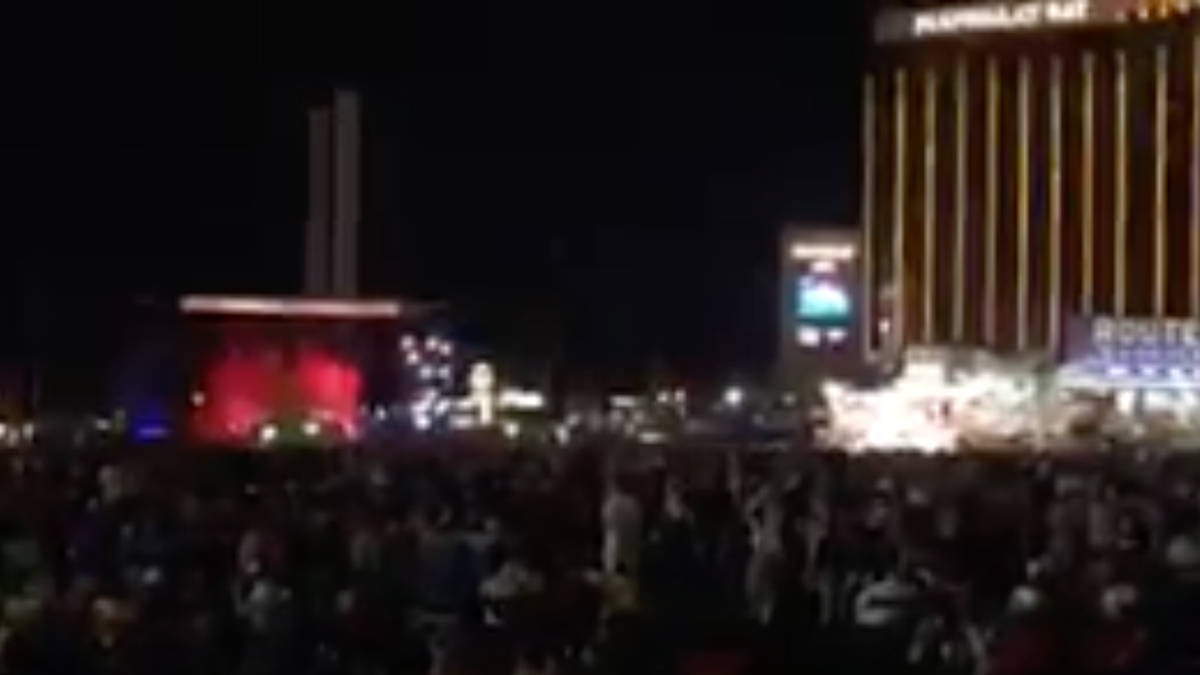
Large public gatherings are often celebrations of music, culture, and shared experiences. Concerts, festivals, and sporting events bring together thousands of people from diverse backgrounds, creating lasting memories and strengthening communities. Organizers devote significant effort to planning logistics, entertainment, and guest services to ensure attendees enjoy a safe and memorable experience.
The events that unfolded in Las Vegas on October 1, 2017, transformed one such celebration into one of the most significant emergency response challenges in modern American history. The tragedy profoundly affected survivors, families, first responders, healthcare professionals, and the wider community.
Years later, the incident continues to influence discussions about emergency preparedness, crisis management, public safety, and community resilience. While the loss experienced by many can never be undone, valuable lessons have emerged regarding how communities prepare for emergencies and support recovery afterward.

Understanding the Event
On the evening of October 1, 2017, thousands of people attended the Route 91 Harvest Festival near the Las Vegas Strip. During the event, an individual opened fire from a nearby hotel, creating a rapidly unfolding emergency that required an immediate response from law enforcement, emergency medical personnel, and healthcare providers.
The incident resulted in significant loss of life and hundreds of injuries, making it one of the deadliest mass casualty events in modern U.S. history.
Law enforcement quickly secured the area while medical teams worked to assist those affected. Authorities later conducted an extensive investigation into the circumstances surrounding the attack.
The Immediate Emergency Response
One of the defining aspects of the incident was the speed with which emergency services mobilized.
Police officers, firefighters, emergency medical technicians, dispatch personnel, and hospital staff coordinated under exceptionally difficult circumstances. Multiple agencies worked together to establish communication, direct resources, and transport patients to medical facilities across the city.
Hospitals activated mass casualty protocols designed to increase staffing, expand treatment capacity, and prioritize patients according to medical need. Healthcare professionals worked extended hours, demonstrating remarkable dedication under extraordinary pressure.
The response highlighted the importance of coordinated planning between emergency services before large public events take place.

The Role of Healthcare Professionals
Medical personnel played a critical role throughout the emergency.
Doctors, nurses, surgeons, technicians, pharmacists, and support staff collaborated continuously to provide treatment and stabilize patients arriving from multiple locations.
Many hospitals implemented emergency preparedness plans that had been developed for large-scale incidents. These procedures allowed medical teams to organize resources efficiently while maintaining communication between departments.
The experience also encouraged hospitals nationwide to review and strengthen their own emergency preparedness programs.
Community Support During Recovery
In the days following the tragedy, communities across the United States expressed solidarity with those affected.
Blood donation centers experienced an overwhelming response from volunteers wishing to help. Community organizations collected resources for affected families, while counseling services expanded to support those coping with grief and trauma.
Public memorials provided opportunities for reflection, allowing people to honor victims while offering comfort to survivors and loved ones.
These collective efforts demonstrated how communities can unite during difficult times.
Supporting Survivors
Recovery extends far beyond the initial emergency response.
Many survivors faced lengthy physical rehabilitation, while others experienced emotional challenges associated with traumatic events. Mental health professionals emphasized the importance of early intervention, counseling, peer support, and ongoing access to psychological care.
Support groups created spaces where survivors and families could share experiences and encourage one another throughout the healing process.
Experts continue to stress that recovery is unique for every individual and may require different forms of support over time.

Lessons for Public Safety Planning
Large public events require extensive planning to balance accessibility with safety.
Since 2017, many venues have reviewed security procedures and emergency operations plans, considering improvements such as:
-
Enhanced coordination among emergency agencies
-
Expanded communication systems
-
Improved emergency evacuation planning
-
Additional staff training
-
Regular emergency response exercises
-
Better public information systems
These measures are intended to improve preparedness while maintaining welcoming environments for visitors.
The Importance of Emergency Preparedness
Preparedness involves collaboration among numerous organizations.
Event organizers work closely with law enforcement, fire departments, emergency medical services, transportation officials, and venue management to develop coordinated emergency plans.
Key components often include:
Risk Assessment
Evaluating potential hazards allows organizers to identify appropriate mitigation strategies before an event begins.
Communication Planning
Reliable communication systems enable rapid coordination between agencies during emergencies.
Staff Training
Regular exercises help personnel understand their responsibilities and improve decision-making under pressure.
Public Information
Clear instructions can assist attendees in responding appropriately during emergencies.
Preparedness does not eliminate risk, but it can improve the effectiveness of emergency response.
Building Community Resilience
Resilience describes a community’s ability to recover following adversity.
Recovery involves not only rebuilding physical spaces but also restoring emotional well-being, social connections, and public confidence.
Community resilience is strengthened through:
-
Accessible mental health resources
-
Volunteer engagement
-
Transparent public communication
-
Long-term victim support
-
Collaboration between public agencies and nonprofit organizations
These efforts contribute to healing while helping communities prepare for future challenges.

The Role of Education
Emergency preparedness education benefits both professionals and the public.
Schools, workplaces, and community organizations increasingly provide information about emergency awareness, communication planning, and crisis response.
Educational programs also encourage individuals to understand local emergency procedures and remain informed about safety guidance during large public events.
Knowledge empowers communities to respond more effectively during unexpected situations.
Continued Research and Policy Discussion
Incidents involving large public gatherings continue to influence research into emergency management, disaster medicine, trauma care, and public safety.
Researchers examine topics including:
-
Emergency communications
-
Hospital surge capacity
-
Disaster psychology
-
Crisis leadership
-
Community recovery
-
Victim assistance programs
These studies contribute to improvements in emergency planning and response strategies worldwide.
Remembering Those Affected
Every major tragedy leaves a lasting impact on families, friends, coworkers, and entire communities.
Memorial events held in Las Vegas continue to recognize those whose lives were lost while honoring survivors, first responders, healthcare professionals, and volunteers who demonstrated extraordinary compassion during an incredibly difficult time.
Remembering these events respectfully helps preserve important lessons while acknowledging the resilience shown by countless individuals.
Looking Forward
Although no community wishes to experience such an event, valuable lessons can emerge from careful reflection.
Continued investment in emergency preparedness, public health infrastructure, professional training, and community support strengthens society’s ability to respond effectively during crises.
Collaboration between government agencies, healthcare systems, emergency responders, researchers, and local communities remains essential for improving preparedness while supporting those affected by future emergencies.
Conclusion
The events of October 1, 2017, remain a significant chapter in the history of emergency management and public safety. Beyond the immediate tragedy, the response demonstrated the dedication of first responders, healthcare professionals, volunteers, and community members who worked together under extraordinary circumstances.
The lasting legacy is found not only in remembrance but also in the improvements inspired by the experience. Enhanced emergency planning, stronger interagency coordination, expanded mental health awareness, and continued investment in preparedness all contribute to safer public gatherings.
As communities continue to learn from difficult moments, the focus remains on protecting lives, supporting recovery, and building resilience for future generations.
General Reference Sources
-
Federal Emergency Management Agency (FEMA)
-
U.S. Department of Homeland Security
-
Centers for Disease Control and Prevention (CDC)
-
American Red Cross
-
National Center for PTSD
-
Peer-reviewed research on emergency management and disaster medicine