


Many women experience mysterious bleach-like stains on their undergarments, prompting questions about their origin. Fortunately, in most cases, these stains are normal and not indicative of health issues. Vaginal discharge plays a crucial role in reproductive and overall health and can often be the cause of visible changes in fabric. However, certain alterations in discharge can signify underlying health concerns that necessitate professional evaluation.
This article provides an in-depth look at the reasons for bleach-like stains, how to identify normal versus abnormal vaginal discharge, and when it is essential to consult a healthcare provider.
Why Bleach-Like Stains Appear
Bleach-like stains are typically the result of the natural acidity found in vaginal discharge. This discharge generally maintains a slightly acidic pH, which is vital for protecting against harmful bacteria and infections. Over time, as this acidic fluid interacts with fabric, it can lead to light patches or discoloration resembling bleach stains.
This occurrence is harmless and serves as an indication that your body’s natural defense mechanisms are functioning effectively. In fact, the acidity of the discharge plays a significant role in maintaining a balanced and healthy vaginal environment.
What Normal Vaginal Discharge Looks Like
Understanding what constitutes “normal” vaginal discharge is essential for becoming aware of any potential changes. The characteristics of healthy vaginal discharge can fluctuate due to various factors including menstrual cycle phase, hormonal fluctuations, sexual activity, and even stress levels. Common traits of normal discharge include:
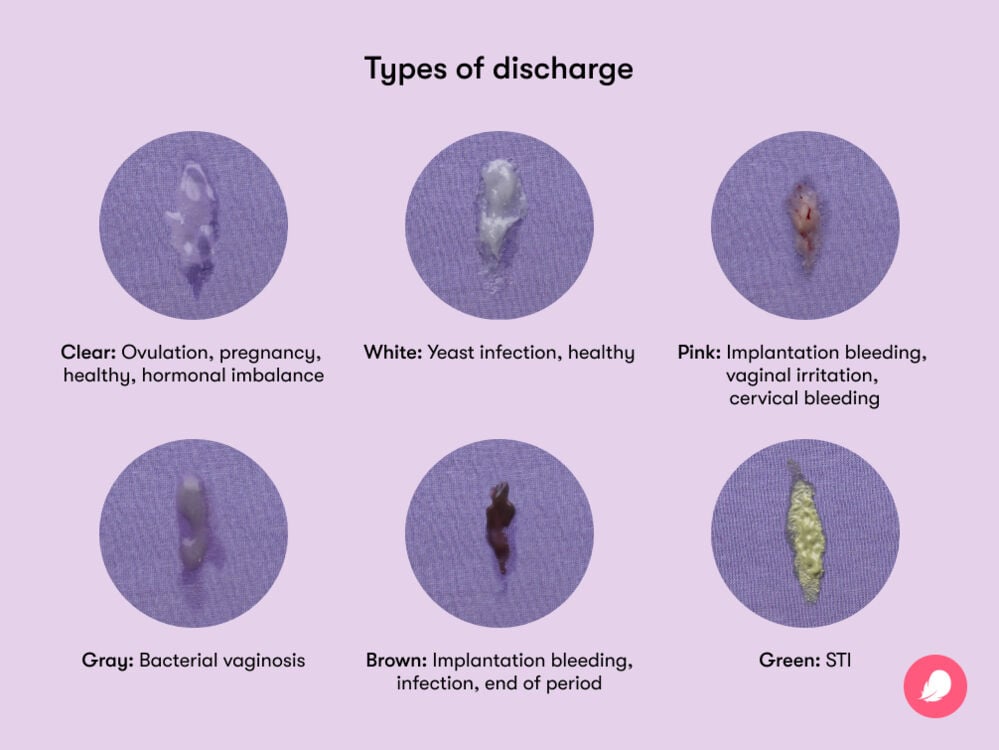
- Color: Typically clear, white, or slightly milky.
- Consistency: Can range from watery to slightly sticky, often changing throughout the menstrual cycle.
- Odor: Generally mild or scarcely perceptible.
- Amount: May increase during ovulation, pregnancy, or sexual arousal.
Even within this range of what is considered normal, discharge may still cause discoloration of fabrics. Therefore, the presence of such stains alone is not necessarily a cause for concern.
When Vaginal Discharge May Be Abnormal
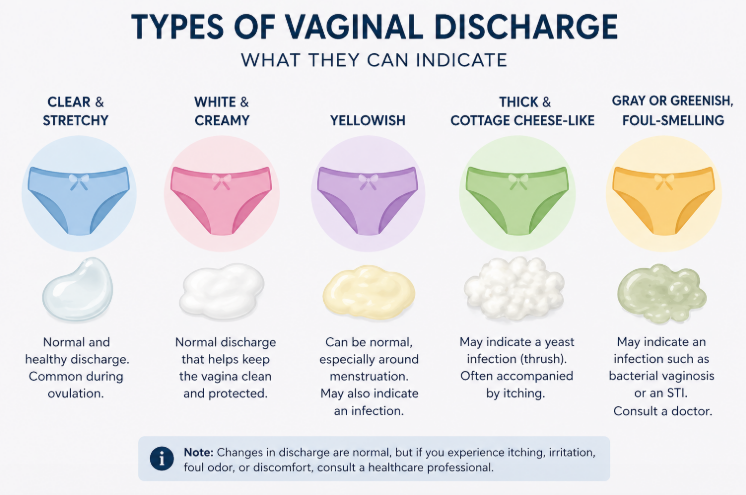
While most vaginal discharge is benign, noticeable changes in color, texture, odor, or quantity can indicate an infection or health issue. Here are some warning signs to be aware of:
- Unusual Color: Green, gray, or bright yellow discharge may suggest an infection.
- Strong Odor: A pronounced, fishy smell is often associated with bacterial vaginosis, an imbalance of vaginal flora.
- Abnormal Texture: Thick, white discharge with a clumpy texture may signal a yeast infection.
- Watery or Excessive Discharge: Persistent and unusual wetness could indicate other health concerns.
If any of these symptoms accompany bleach-like stains, it is advisable to seek medical advice.
Symptoms That Require Medical Attention
Certain vaginal symptoms should never be overlooked, as they may indicate more serious underlying issues. You should seek medical care if you experience the following:
- Pain during urination or during intercourse.
- Vaginal bleeding between menstrual periods.
- Blood-tinged discharge outside of your normal menstrual cycle.
- Chronic itching, burning sensations, or irritation.
- Significant changes in discharge that last longer than a few days.
These symptoms may be related to conditions such as sexually transmitted infections (STIs), bacterial vaginosis, yeast infections, or other reproductive health issues. Early intervention is critical in preventing complications and restoring health.

Common Causes of Abnormal Discharge
When abnormal discharge occurs, it is often caused by one of several conditions:
- Yeast Infection: This condition is due to an overgrowth of Candida yeast, resulting in thick, clumpy discharge and significant itching.
- Bacterial Vaginosis (BV): Caused by an imbalance in the bacteria within the vagina, often accompanied by a strong odor and grayish discharge.
- Sexually Transmitted Infections (STIs): Infections like trichomoniasis, gonorrhea, and chlamydia can lead to abnormal discharge and sometimes pain.
- Hormonal Changes: Events such as pregnancy, menopause, or hormonal contraceptive use may change the discharge’s consistency or quantity.
Identifying the specific cause of any abnormal discharge is crucial for obtaining effective treatment.
How to Maintain Healthy Vaginal Balance
Preventing abnormal vaginal discharge often hinges on maintaining overall vaginal health through simple lifestyle adjustments. Consider the following practices:
- Practice Good Hygiene: Clean the external genital area with mild, unscented soap and warm water. Avoid using harsh soaps or douching, which can disrupt the natural balance of the vagina.
- Choose Breathable Underwear: Opt for cotton underwear that allows for better airflow and minimizes moisture accumulation that can encourage infection.
- Maintain a Healthy Diet: Consuming a balanced diet rich in probiotics, such as yogurt or kefir, can support a healthy microbiome.
- Stay Hydrated: Adequate water intake is essential for helping the body maintain its natural secretions.
- Use Protection: Engaging in safe sexual practices can significantly lower the risk of STIs that affect discharge.
- Regular Checkups: Routine gynecological examinations promote early detection and treatment of potential health issues.
Why Vaginal Discharge Is Important
Instead of viewing vaginal discharge as merely an inconvenience, it should be appreciated as a crucial component of reproductive health. Its acidic nature acts as a barrier against infections, while its variations reflect hormonal adjustments. Furthermore, its presence is often a sign of normal physiological function.
The bleaching effect observed on undergarments is a visible indication of the body’s protective systems at work. Recognizing the distinction between normal and abnormal discharge is key to safeguarding long-term health.

Final Thoughts
Although bleach-like stains on underwear may be surprising, they are generally a harmless result of the natural acidity found in vaginal discharge. For most women, these stains indicate a healthy bodily function. However, significant changes in discharge characteristics should not be ignored, as they may indicate an infection or other health concerns that require attention.
If you encounter symptoms such as a strong odor, irritation, pain, or unusual discharge, do not hesitate to connect with a healthcare professional for a comprehensive assessment and proper treatment plan.
Understanding your body’s signals, staying informed about your vaginal health, and seeking timely medical advice when necessary are essential for ensuring overall well-being. Your undergarments may reveal more about your health than you realize—thus, it’s wise to pay attention without unnecessary alarm.
Sources
- World Health Organization (WHO)
- Mayo Clinic
- Centers for Disease Control and Prevention (CDC)
- National Health Service (NHS)
- WebMD