


It often begins with a quick glance in the mirror.
Perhaps you’re getting ready for work, washing your face before bed, or applying your usual skincare products when you suddenly notice something unfamiliar. A tiny dark spot, a small bump, or an area of uneven pigmentation catches your attention. It wasn’t there before—or at least you hadn’t noticed it until now.
Questions naturally follow. Is it a simple blackhead? Could it be acne? Is it caused by sun exposure, aging, or something more serious?
The good news is that many facial spots are harmless and have common explanations. However, understanding the possible causes can help you decide whether simple skincare is enough or if it’s time to seek professional medical advice.
Why Do Spots Appear on the Face?
The skin is the body’s largest organ and is constantly exposed to environmental factors, hormones, bacteria, sunlight, and natural aging.
As a result, facial skin can develop various types of spots, bumps, or discoloration throughout life.
Some changes occur gradually, while others may seem to appear overnight. Their appearance depends on many factors, including genetics, skin type, age, lifestyle, and environmental exposure.
Fortunately, most facial spots fall into several well-known categories.
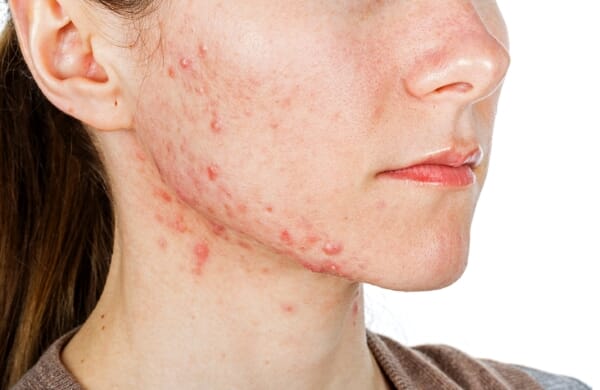
Blackheads: One of the Most Common Causes
Among the most common facial spots are blackheads, also known as open comedones.
Blackheads develop when hair follicles become clogged with:
-
Excess oil (sebum)
-
Dead skin cells
-
Dirt and environmental debris
Unlike whiteheads, blackheads remain open at the surface of the skin. When the trapped material comes into contact with oxygen, it undergoes oxidation, causing the characteristic dark appearance.
Contrary to popular belief, the dark color is not caused by dirt but by this natural chemical reaction.
Blackheads most commonly appear on:
-
The nose
-
Forehead
-
Chin
-
Cheeks
People with oily or combination skin may experience them more frequently.
Acne and Clogged Pores
Acne is another frequent cause of facial bumps and spots.
When clogged pores become inflamed due to bacteria and excess oil production, they may develop into:
-
Pimples
-
Whiteheads
-
Blackheads
-
Papules
-
Pustules
-
Deeper nodules or cysts
Hormonal changes during adolescence are a common trigger, but adults can also develop acne due to stress, hormonal fluctuations, certain medications, or skincare products that clog pores.
Proper cleansing and using non-comedogenic skincare products may help reduce breakouts for many people.
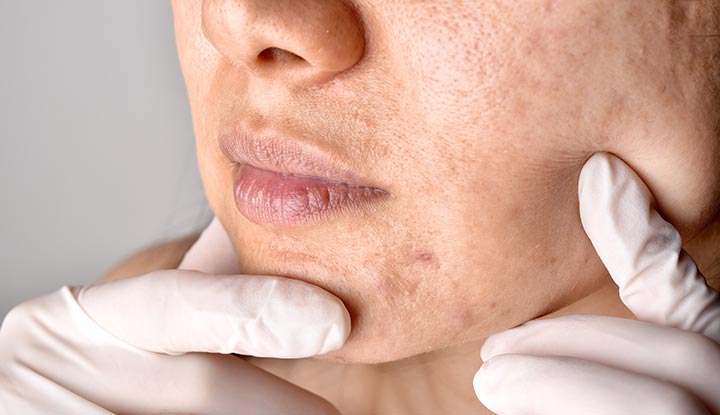
Enlarged Pores
Some people mistake enlarged pores for dark facial spots.
Pores naturally vary in size depending on genetics, age, skin type, and oil production.
Individuals with oily skin often notice pores more prominently around the nose and cheeks.
Although enlarged pores cannot be permanently eliminated, keeping them free of excess oil and debris may make them appear less noticeable.
Sun Damage and Age Spots
Years of ultraviolet (UV) exposure can gradually affect the skin.
Repeated exposure to sunlight may contribute to changes such as:
-
Dark spots
-
Uneven pigmentation
-
Freckles
-
Solar lentigines (often called age spots)
These pigment changes typically appear on areas that receive frequent sun exposure, including the face, neck, shoulders, and hands.
Daily sunscreen use, protective clothing, and limiting excessive UV exposure can help reduce the risk of additional sun-related skin changes.

Hyperpigmentation
Hyperpigmentation occurs when certain areas of skin produce more melanin than surrounding tissue.
Several factors may contribute, including:
-
Previous acne lesions
-
Minor skin injuries
-
Hormonal changes
-
Sun exposure
-
Inflammatory skin conditions
Depending on the cause, these darker patches may gradually fade over time, although some persist for months or even years without treatment.
Dermatologists may recommend topical treatments or cosmetic procedures for appropriate cases.
Benign Skin Growths
Not every facial bump is related to acne.
Several harmless skin growths become more common with age, including:
Sebaceous Hyperplasia
These small yellowish bumps result from enlarged oil glands and are generally harmless.
Seborrheic Keratoses
These common, non-cancerous growths often appear as slightly raised brown or black spots with a waxy or rough surface.
Skin Tags
Although more common on the neck or underarms, skin tags occasionally develop near the face.
These conditions are typically benign but may resemble other skin abnormalities, making professional evaluation helpful if uncertainty exists.

Moles and Pigmented Lesions
Moles are another common reason people notice dark spots on the face.
Most moles are harmless collections of pigment-producing cells that remain stable for many years.
However, changes involving a mole deserve attention.
Medical professionals often recommend monitoring moles using the ABCDE guideline:
-
A – Asymmetry
-
B – Border irregularity
-
C – Color variation
-
D – Diameter larger than approximately 6 mm
-
E – Evolving or changing appearance
While many changing moles are not cancerous, new or evolving lesions should be evaluated by a qualified healthcare professional.
Could Allergic Reactions Cause Facial Spots?
Yes.
Certain skincare products, cosmetics, fragrances, or environmental allergens may trigger skin irritation.
Symptoms can include:
-
Red bumps
-
Itching
-
Dry patches
-
Swelling
-
Flaking
-
Mild discoloration
If symptoms develop shortly after introducing a new product, discontinuing its use and seeking medical guidance may help determine whether an allergic or irritant reaction is involved.
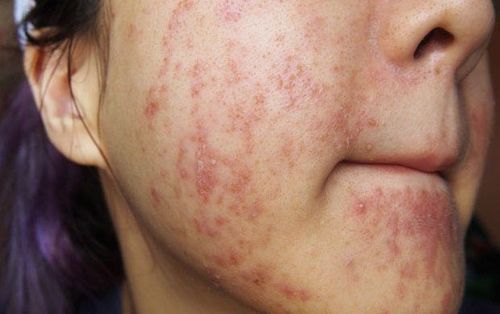
The Role of Aging
As skin naturally ages, several visible changes become more noticeable.
These include:
-
Reduced collagen production
-
Slower skin cell turnover
-
Changes in pigmentation
-
Increased visibility of pores
-
Development of benign growths
While these changes are part of the normal aging process, maintaining healthy skincare habits may help support overall skin appearance.
Caring for Your Skin
Although treatment depends on the underlying cause, healthy skincare habits can benefit many people.
Consider these general recommendations:
-
Wash your face gently twice daily.
-
Use sunscreen with broad-spectrum UV protection.
-
Avoid picking or squeezing blemishes.
-
Choose non-comedogenic skincare products.
-
Remove makeup before sleeping.
-
Stay hydrated.
-
Follow a consistent skincare routine.
These habits support overall skin health and may help reduce some common causes of facial blemishes.
When Should You See a Healthcare Professional?
While many facial spots are harmless, certain changes deserve prompt medical evaluation.
Consider scheduling an appointment if a spot:
-
Changes in size, shape, or color.
-
Bleeds without injury.
-
Does not heal over several weeks.
-
Becomes painful or persistently itchy.
-
Develops irregular borders.
-
Appears rapidly or grows quickly.
-
Causes ongoing concern.
A healthcare professional, particularly a dermatologist, can examine the affected area and determine whether additional testing or treatment is appropriate.
Early evaluation is especially important because some skin conditions look similar despite having very different causes.

Why Self-Diagnosis Can Be Difficult
Many skin conditions share similar appearances.
For example, a harmless blackhead may resemble a small pigmented lesion, while certain benign growths can look similar to more significant skin abnormalities.
Photographs found online may provide general information, but they cannot replace an in-person medical examination.
Only a qualified healthcare provider can accurately diagnose many skin conditions through clinical evaluation and, when necessary, additional testing.
The Bottom Line
Discovering an unfamiliar spot on your face can understandably cause concern, but most facial blemishes have common and often harmless explanations.
Blackheads, acne, enlarged pores, pigmentation changes, sun-related spots, and benign skin growths are among the most frequent causes. Understanding these possibilities can help reduce unnecessary worry while encouraging healthy skincare habits.
At the same time, it’s important to pay attention to changes that appear unusual or continue to evolve. Spots that change rapidly, bleed, become painful, or develop irregular features should always be evaluated by a healthcare professional.
Healthy skin begins with awareness, consistent care, and seeking medical advice whenever something doesn’t seem quite right.