


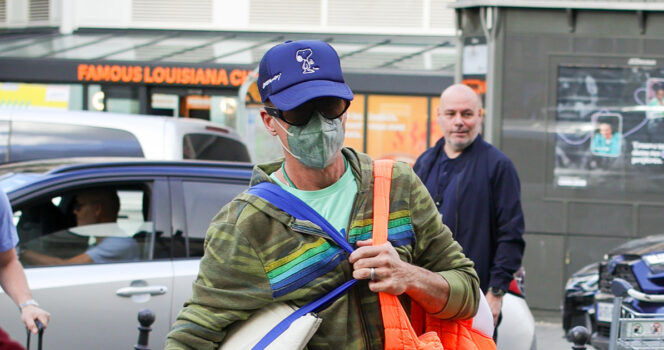
Yet long before the awards, the record-breaking paychecks, and the global fame, Downey’s life was complicated and often turbulent. His story includes early exposure to substance use, family instability, legal troubles, and time in prison, followed by a sustained and widely documented recovery. Today, his trajectory is frequently cited as one of Hollywood’s most notable examples of personal and professional transformation.
Early Life in a Creative but Unstable Home
Robert Downey Jr. was born in New York City in 1965 to a filmmaker father, Robert Downey Sr., and an actress mother, Elsie Downey. From the beginning, he grew up surrounded by cameras, scripts, and sets. Acting was not an abstract dream but part of day-to-day life, making his eventual career seem almost inevitable.
He began formal training as a teenager at a performing arts center, nurturing his natural talent and learning stagecraft. However, he ultimately decided to leave high school early to pursue acting full-time. This choice, while risky, aligned with his upbringing in a creative household where traditional paths were often secondary to artistic ambition.
Behind the scenes, however, his home life was far less stable than his early success might suggest. Downey has spoken openly about being exposed to drugs and alcohol at a very young age. These early experiences would profoundly influence his later struggles with addiction.
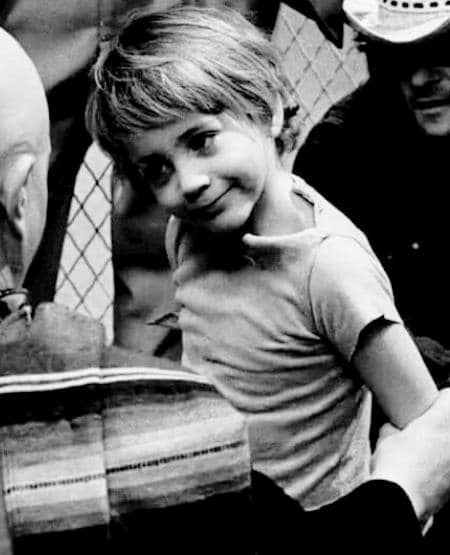
His father, a respected but unconventional filmmaker, battled his own substance use issues. Downey has recalled that his mother also experienced problems with alcohol. In a candid admission, Robert Downey Sr. later expressed deep regret for involving his son in drug use when he was still a child.
“I passed him a joint. And suddenly I knew I had made a terrible, stupid mistake … giving a little kid a toke of grass just to be funny,” the elder Downey once said in an interview, reflecting on how normalized drug use had become in their household during that era.
For the younger Downey, these moments created a confusing emotional dynamic. He has explained that when he and his father used drugs together, he sometimes interpreted it as a sign of closeness, saying it felt like a form of affection expressed in the only way his father knew at the time. Mental health experts today recognize that such early exposure can blur boundaries, complicate family relationships, and increase the risk of substance use disorders later in life.
Despite this difficult context, Downey was already stepping in front of the camera. He made his acting debut at around five years old in one of his father’s films, and by seven he had taken on additional roles. These early performances hinted at the skill and screen presence that would later define his career.
A Hyperactive Child Finding His Place
In addition to appearing in films, Downey spent time at a well-regarded summer acting camp in upstate New York. There, he refined his craft, learning not only performance techniques but also discipline and collaboration—skills that would serve him throughout his working life.
At school, he was known as a hyperactive, energetic child who tried to fit in. He has described being teased by older students, even as he remained popular among many of his peers. This combination of attention, sensitivity, and creativity is common among young performers, and can be both a strength and a source of pressure.
Another major shift came when his parents divorced while he was still young. After the split, Downey moved to New York City with his mother, while his sister stayed with their father. This separation added another layer of emotional complexity, creating different household environments and routines for the siblings.
As he moved through adolescence, Downey’s life became less structured. He attended multiple schools, navigating frequent changes while still pursuing roles and auditions. Eventually, he chose to leave school and devote himself fully to acting, a decision that would shape both his personal life and his professional trajectory.
By the late 1980s and early 1990s, that decision appeared to be paying off. Downey emerged as one of Hollywood’s most promising young actors. He gained recognition through a series of youth-oriented films associated with the so-called “Brat Pack” era, including Weird Science (1985) and Less Than Zero (1987). The latter, in which he portrayed a drug-dependent character, would later be seen by some commentators as eerily reflective of his own struggles.
During this time, Downey was in a long-term relationship with actress Sarah Jessica Parker. She has later described trying to provide stability and routine amid his increasingly erratic behavior. According to her own accounts, Parker avoided drugs and drank alcohol only rarely, making her lifestyle almost the opposite of Downey’s at the time.
She has recalled that people around him sometimes dismissed her concerns, yet she focused on helping him meet his professional commitments, seeing herself as a grounding presence. Ultimately, the relationship ended, and Downey’s substance issues intensified in the years that followed.
A Career in Ascendancy, a Life in Crisis
As the mid-1990s approached, Downey continued to secure high-profile roles and earn critical praise. However, his off-screen life was unraveling. Like many individuals living with untreated addiction, he faced a growing pattern of risky behavior, legal incidents, and repeated attempts at rehabilitation.
By the middle of the decade, arrests, court appearances, and mandated treatment programs had become regular parts of his life. These experiences reflected the reality that substance use disorder is a chronic, relapsing condition that often requires sustained treatment, support, and structural change to manage effectively.
The 1996 Arrest and Escalating Legal Troubles
One of the most widely reported incidents occurred in 1996. Downey was stopped by police in Malibu, California, reportedly for speeding and erratic driving. According to contemporary news coverage, officers stated that he appeared to be under the influence.
During the stop, authorities reported finding multiple illicit substances, including heroin and cocaine, as well as an unloaded handgun in his vehicle. The incident led to criminal charges and intensified public scrutiny of his private life.
In another widely cited event from that period, Downey was arrested after entering a stranger’s home, removing most of his clothing, and falling asleep in a bed. Incidents like these underscored the extent to which his judgment and safety were being compromised by addiction.
Downey has since acknowledged that this was an extraordinarily dangerous phase of his life. He has said that there are aspects of what he experienced that he would never fully describe publicly, suggesting that the reality of his situation was even more severe than media reports indicated.
As his legal problems accumulated, the consequences grew more serious. Eventually, he was sentenced to time in prison. Looking back on that period, Downey has described prison as the most dangerous place he had ever been, noting that individuals with many different offense levels were housed together, creating a highly unpredictable environment.
Criminal justice experts and public health organizations have frequently highlighted that incarceration alone does not resolve addiction. Without comprehensive treatment, education, and support, many people continue to struggle after release. Downey’s experience reflected this broader pattern: his path to lasting recovery was not immediate when he left prison.
Slow Recovery and Life as a Father
After his release around 2000, Downey attempted to rebuild his life and career. Yet, as is common with substance use disorders, the process was not linear. There were relapses and setbacks, as well as renewed efforts to seek help. This extended period illustrates how long-term recovery often involves repeated attempts, adjustments in treatment, and changes in environment and relationships.
By approximately 2003, Downey had achieved sustained sobriety, marking a crucial turning point. He has credited a combination of personal responsibility, support from loved ones, professional help, and new habits—such as exercise and mindfulness practices—as central to maintaining his recovery.
During this new chapter, Downey remarried and welcomed additional children, placing greater emphasis on family life and stability. Over time, he slowly regained the trust of studios, directors, and audiences. His reputation evolved from that of a talented but unreliable actor to a disciplined professional and, eventually, a leading figure in global entertainment.
Fatherhood brought its own challenges. When his eldest son, Indio, later struggled with addiction and faced arrest, the situation echoed aspects of Downey’s own youth. Rather than distancing himself, Downey expressed public support for his son’s recovery, thanking law enforcement for their intervention and voicing hope that Indio’s story would be one of successful treatment and renewal, not tragedy.
This perspective aligns with a growing consensus among health experts that addiction should be addressed primarily as a medical and psychological issue rather than solely a criminal one. Families affected by substance use are increasingly encouraged to seek evidence-based treatment and support rather than hiding or minimizing the problem.
From Risk of Obscurity to Global Stardom
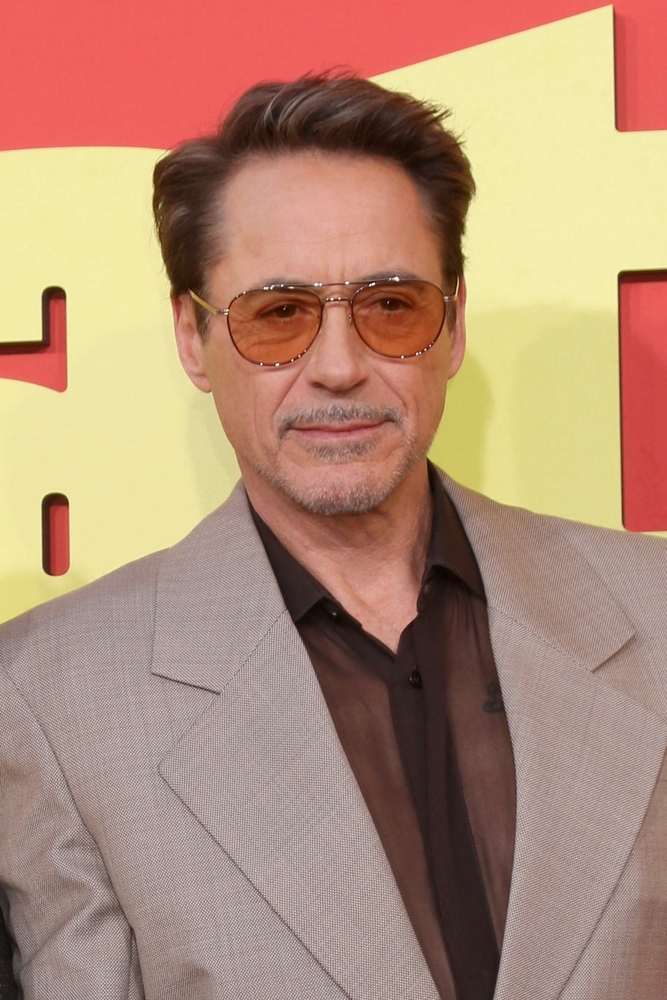
With his recovery taking root, Downey began an extraordinary professional resurgence. Through a combination of memorable performances, strong audience appeal, and carefully chosen roles, he transformed into one of the most bankable stars in the world. His portrayal of Tony Stark in Marvel’s cinematic universe, for example, became a defining role that blended humor, vulnerability, and charisma.
Between 2013 and 2015, Downey was reported as the highest-paid actor in the world, reflecting both his box-office power and the global reach of the films he headlined. His projects contributed to a new era of interconnected franchises and cinematic universes that reshaped Hollywood’s business model.
Over the course of his career, Downey has earned numerous major honors, including an Academy Award, a Daytime Emmy Award, three Golden Globe Awards, and two British Academy Film Awards. These accolades recognize not only his commercial success but also his range—from comedy to intense drama and complex character studies.
Beyond awards, Downey’s journey has had a broader cultural impact. His highly public struggles and subsequent recovery have been discussed in media coverage, biographies, and interviews as a case study in resilience. Addiction specialists sometimes reference his story when explaining that long-term recovery, while challenging, is possible with support, structure, and commitment.
Internationally, audiences often view him as an example of how an individual can move from severe personal difficulty to renewed purpose. While every case of addiction is different and not all comebacks are as high-profile, his experience underscores that early adversity and serious mistakes do not have to determine the outcome of a life.
An Enduring Story of Redemption and Responsibility
Robert Downey Jr.’s life illustrates how early family dynamics, exposure to substances, and environmental factors can influence a person’s path. It also shows that with treatment, accountability, and long-term effort, people living with addiction can rebuild their lives and relationships.
From a hyperactive child on his father’s film sets, to a promising young star caught in cycles of addiction and legal trouble, to a mature actor at the center of major global franchises, Downey has lived several distinct chapters in the public eye. Each stage has contributed to the complex public understanding of who he is—both as an artist and as a person confronting and managing a chronic condition.
His story does not erase the harm or risk associated with substance use, nor does it guarantee similar results for others. However, it provides a concrete example of how support, therapeutic intervention, and personal change can alter the course of a life once deemed irreparably derailed. For many observers around the world, Robert Downey Jr. remains not just a celebrated performer, but also a symbol of recovery, responsibility, and the possibility of starting over.