

Zoos are places where families gather to learn about wildlife, explore nature, and create lasting memories. Parents and children alike enjoy observing fascinating animals while gaining a deeper appreciation for conservation and biodiversity.
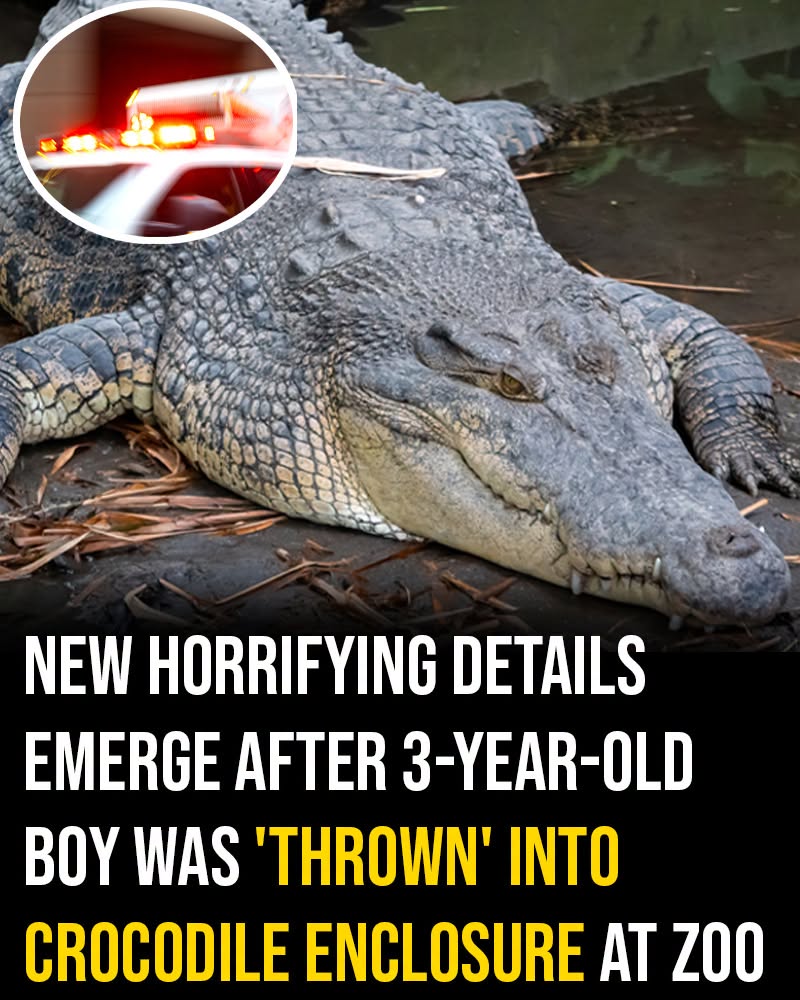
Recently, however, an incident at a zoo in Cambridgeshire, England, reminded many people of the importance of safety around wildlife exhibits. According to authorities, a three-year-old child was injured after entering a crocodile enclosure under circumstances that remain the subject of an ongoing police investigation.
Emergency responders, zoo staff, and medical professionals acted quickly, and the child was transported to a nearby hospital for treatment. Officials continue to investigate the circumstances surrounding the incident while emphasizing that the inquiry remains active.
Beyond the individual case, the event has encouraged broader conversations about zoo safety, emergency preparedness, wildlife behavior, and the shared responsibility of protecting visitors—especially young children—in environments where wild animals are housed.
What Authorities Have Reported
According to police statements, the incident occurred at Johnson’s Zoo in Old Hurst, Cambridgeshire.
Emergency services responded promptly after reports that a young child had entered a crocodile enclosure.
Authorities later arrested a 30-year-old man in connection with the investigation. Police stated that he was released on bail after being assessed as not fit for interview, and inquiries remain ongoing.
Because the investigation has not concluded, officials have not released additional findings regarding the circumstances that led to the incident.
As with all active investigations, final conclusions will depend upon evidence gathered by law enforcement.
Emergency Response at the Zoo
Witnesses described a rapid response from zoo staff once the situation became apparent.
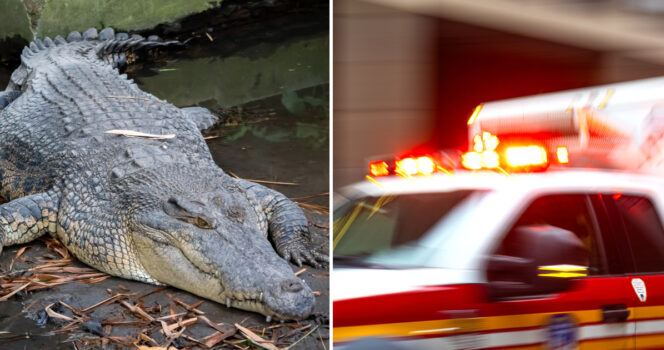
According to published reports, members of the zoo team entered the enclosure to reach the child while emergency medical personnel were contacted immediately.
Their coordinated efforts allowed first responders to transfer the child for medical evaluation as quickly as possible.
Emergency planning is an essential component of modern zoo operations, with staff regularly receiving training for a wide range of situations involving visitors, animals, and environmental hazards.
Understanding Crocodile Behavior
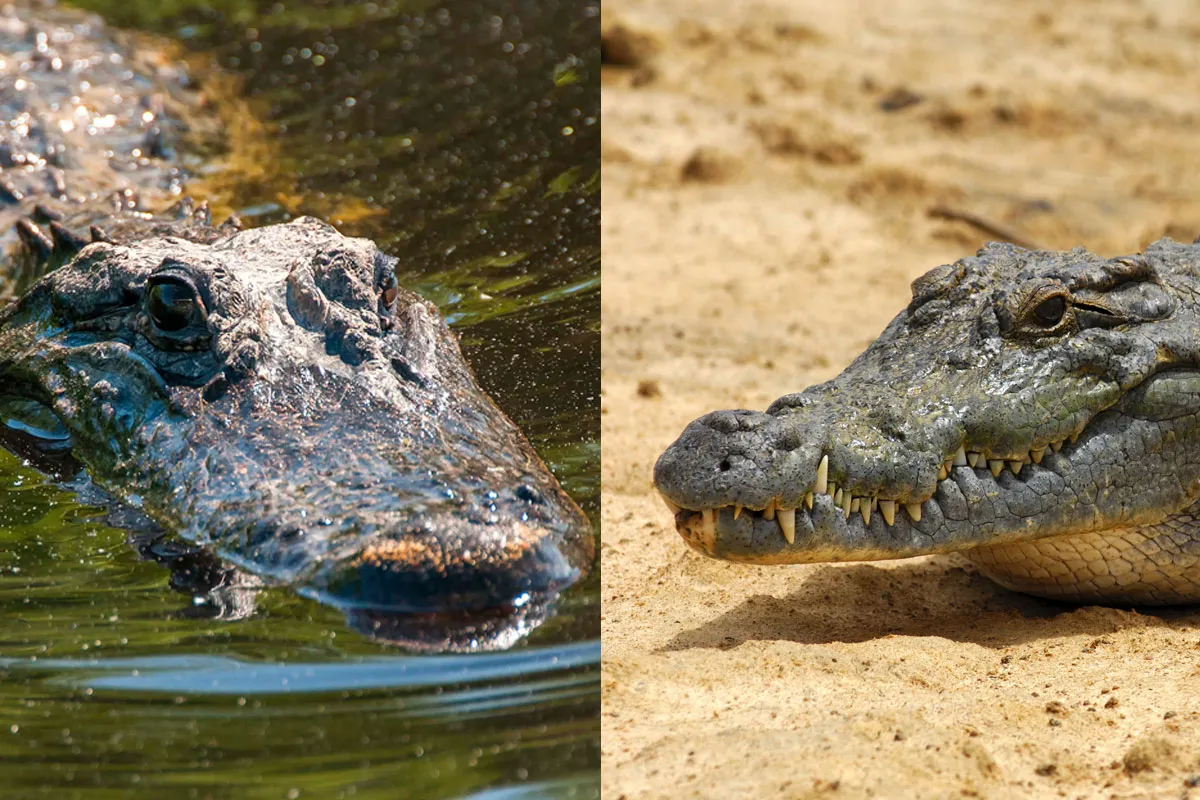
Crocodiles are remarkable reptiles that have existed for millions of years.
In professional zoological settings, they are cared for by trained specialists who understand their behavior and habitat requirements.
Wildlife experts explain that crocodiles naturally respond to movement, sound, and activity within their surroundings.
Although animals in accredited zoos are closely monitored, they remain wild animals with natural instincts.
For this reason, zoological facilities use multiple safety measures, including:
Secure barriers
Protected viewing areas
Warning signs
Controlled visitor pathways
Regular enclosure inspections
Staff supervision
These precautions are designed to protect both visitors and the animals themselves.
Why Zoo Barriers Are Essential
Modern zoo enclosures are carefully engineered.
Designers consider numerous factors, including:
Animal welfare
Visitor visibility
Safety standards
Emergency access
Environmental enrichment
Structural durability
Barriers are intended to create safe distances while allowing visitors to observe wildlife comfortably.
Parents and guardians also play an important role by ensuring young children remain within designated viewing areas throughout their visit.

The Importance of Emergency Preparedness
Accredited zoos regularly conduct emergency response training.
Staff members practice procedures for situations such as:
Medical emergencies
Visitor assistance
Animal containment
Severe weather
Fire safety
Evacuations
Preparation allows teams to respond quickly and effectively should unexpected situations arise.
These exercises contribute significantly to public safety while minimizing potential risks.
Wildlife Education and Respect
One of the primary missions of modern zoos is education.
Visitors learn that every species has unique behaviors shaped by evolution and natural habitats.
Understanding wildlife encourages respectful observation rather than close interaction.
Educational programs often teach children:
Why barriers exist.
How animals behave naturally.
The importance of conservation.
Respect for wildlife habitats.
Safe observation practices.
These lessons help foster lifelong appreciation for biodiversity.
The Science Behind Visitor Safety
Human factors researchers study how people interact with public spaces, including zoos, aquariums, and wildlife parks.
Their research focuses on improving:
Sign placement
Barrier visibility
Walking paths
Emergency communication
Crowd management
Accessibility
Continuous improvements based on scientific research help create safer experiences for millions of visitors every year.
Supporting Families During Difficult Moments
Unexpected emergencies affect not only those directly involved but also witnesses, staff members, and surrounding communities.
Following stressful events, organizations often provide:
Medical support
Counseling resources
Communication with families
Operational reviews
Staff assistance
These efforts help communities process challenging experiences while maintaining confidence in public safety systems.
Conservation Remains the Primary Mission
Although incidents naturally attract public attention, modern zoos continue serving important conservation roles worldwide.
Many accredited institutions contribute to:
Endangered species breeding programs
Wildlife rehabilitation
Scientific research
Habitat preservation
Public education
Global conservation partnerships
These efforts support biodiversity while increasing public understanding of ecosystems across the globe.
Learning From Safety Reviews
Every significant incident provides opportunities to improve future safety.
Following investigations, organizations may review:
Operational procedures
Visitor guidance
Facility design
Emergency protocols
Staff training
Risk assessments
Continuous evaluation helps ensure that public spaces remain as safe as possible while supporting educational experiences.
A Reflection on Shared Responsibility
The incident at Johnson’s Zoo serves as a reminder that public safety depends on cooperation among many people. Zoo professionals dedicate extensive effort to maintaining secure facilities, emergency responders prepare for unexpected situations, and visitors contribute by following safety guidelines designed to protect everyone involved.
Wild animals inspire curiosity because of their remarkable abilities and unique behaviors. Respecting the environments created for their care allows families to enjoy meaningful educational experiences while supporting wildlife conservation.
As investigators continue reviewing this incident, the broader lesson remains clear: thoughtful planning, effective emergency preparedness, and shared responsibility help create safer experiences for visitors while ensuring the well-being of both people and animals. Through continued education and cooperation, zoos can remain valuable places where future generations learn about the natural world with confidence and respect.
Sources
World Association of Zoos and Aquariums (WAZA). Standards for zoo operations, animal welfare, and conservation.
British and Irish Association of Zoos and Aquariums (BIAZA). Visitor safety and wildlife education resources.
International Union for Conservation of Nature (IUCN). Information on crocodile species and conservation.
National Geographic. Educational resources on crocodile biology and behavior.
Royal Society for the Prevention of Accidents (RoSPA). Public safety guidance and accident prevention resources.
Cambridgeshire Police. Official public statements regarding ongoing investigations.