



Maria smiled as she settled into her favorite chair with a cup of tea. There was nothing particularly elaborate about the moment. She wasn’t preparing for a special occasion, wearing expensive clothing, or trying to impress anyone. Yet when her daughter snapped a candid photograph, friends immediately commented on how radiant she looked.
“What changed?” one friend asked.
Maria paused before answering.
“I stopped trying to become someone else.”
Her response reflects an experience shared by many women entering their 50s and beyond. While society often focuses on youthful appearances, many women discover that genuine confidence, emotional well-being, and self-acceptance become their greatest strengths with age. Rather than chasing unrealistic standards, they begin embracing a version of themselves that feels authentic and fulfilling.
So why do some women appear to “glow” more after 50? The answer extends far beyond skincare or fashion. It lies in a fascinating combination of psychology, lifestyle, health, culture, and personal growth.
Why Some Women Seem to Glow More After 50
Redefining Beauty Through Experience
Beauty standards have changed throughout history.
Different cultures have celebrated different qualities, from youthful energy to wisdom, grace, and maturity. In many societies, older women have traditionally been respected for their life experience, leadership, and emotional resilience.
Today, many women are redefining beauty on their own terms.
Instead of measuring themselves against constantly changing trends, they increasingly focus on qualities such as:
- Authenticity
- Kindness
- Confidence
- Emotional balance
- Personal fulfillment
These characteristics often create an impression that feels more lasting than physical appearance alone.
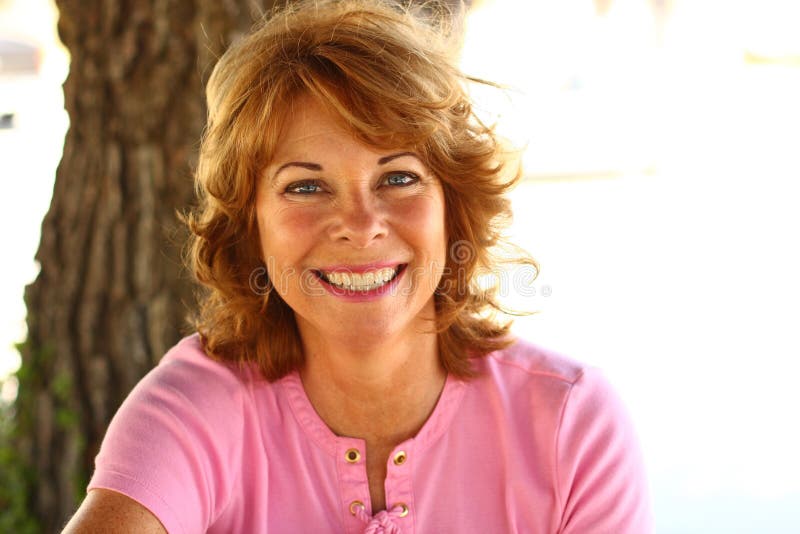
The Science Behind Confidence
Psychologists have long studied self-confidence and self-esteem across different stages of life.
Research suggests that many adults develop greater emotional stability as they grow older. With life experience comes a better understanding of personal values, priorities, and strengths.
This often leads to:
- Reduced concern about outside opinions
- Improved emotional regulation
- Greater resilience
- Stronger decision-making
- Better self-awareness
These internal changes frequently become visible through relaxed body language, natural smiles, and comfortable social interactions.
Letting Go of Constant Comparison
Younger adulthood often brings pressure to meet many expectations.
People may worry about:
- Career success
- Appearance
- Relationships
- Parenting
- Social approval
Over time, many women discover that constant comparison offers little lasting satisfaction.
Instead, they begin asking different questions.
- What brings me joy?
- What truly matters?
- How do I want to spend my time?
This shift can create a noticeable sense of peace.
Wellness Becomes a Lifestyle
Glowing after 50 is rarely about a single beauty product.
Instead, it often reflects years of healthier habits.
These may include:
Balanced Nutrition
Eating a variety of nutritious foods supports overall health, skin function, and energy levels.
Regular Physical Activity
Walking, swimming, yoga, strength training, or dancing all contribute to mobility and well-being.
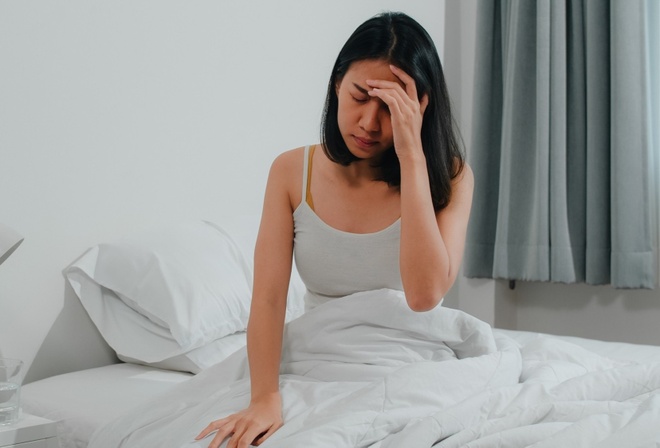
Quality Sleep
Consistent sleep helps the body recover and supports cognitive function.
Stress Management
Meditation, hobbies, reading, gardening, or spending time outdoors can help reduce daily stress.
Together, these habits contribute to a healthier appearance and improved quality of life.
Emotional Intelligence Continues to Grow
One of the greatest strengths that often develops with age is emotional intelligence.
This includes:
- Self-awareness
- Empathy
- Patience
- Communication skills
- Healthy boundaries
Women who understand their emotions often navigate challenges with greater confidence and perspective.
This calm presence can become one of their most attractive qualities.
Personal Style Evolves Naturally
Fashion after 50 is no longer about following every trend.
Instead, many women discover what genuinely suits their personality and lifestyle.
Their choices become more intentional.
Rather than dressing for approval, they often dress for:
- Comfort
- Confidence
- Practicality
- Individual expression
This authenticity frequently makes their style appear effortless.
Cultural Perspectives on Aging
Different cultures view aging in different ways.
In some traditions, older adults are viewed as important sources of wisdom and guidance.
These cultural values encourage people to see aging as a natural progression rather than something to resist.
Modern conversations about healthy aging increasingly reflect this balanced perspective.
Instead of focusing only on appearance, discussions now include:
- Lifelong learning
- Mental wellness
- Community involvement
- Purpose
- Positive relationships
Confidence Changes Body Language
Scientific studies suggest that body language strongly influences first impressions.
Confident individuals often demonstrate:
- Relaxed posture
- Comfortable eye contact
- Genuine smiles
- Calm facial expressions
- Natural movement
These subtle behaviors contribute to what many people describe as “presence.”
Often, this presence is what others notice first.
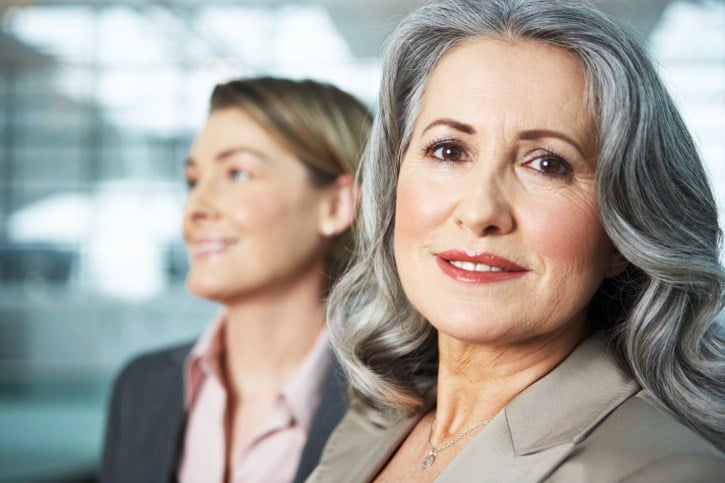
Relationships Become More Meaningful
Another reason some women seem happier after 50 is that relationships often become more intentional.
Many choose to spend more time with people who:
- Encourage personal growth
- Offer mutual respect
- Share similar values
- Provide emotional support
Healthy relationships reduce unnecessary stress and contribute to overall well-being.
Purpose Creates Lasting Energy
Purpose has been linked to better emotional and physical health.
After children become adults or careers evolve, many women discover new passions.
These may include:
- Volunteering
- Traveling
- Learning new skills
- Starting creative projects
- Mentoring younger generations
Having meaningful goals can bring renewed enthusiasm for daily life.
The Myth of Looking Younger
Modern advertising often promotes the idea that youth is the ultimate goal.
However, many women who inspire others are not trying to appear decades younger.
Instead, they focus on looking healthy, feeling energetic, and living authentically.
This mindset creates confidence that cannot be purchased.
Rather than hiding their life experiences, they embrace them.
The Role of Gratitude
Many positive psychology studies suggest that gratitude improves overall well-being.
Practicing gratitude may involve appreciating:
- Good health
- Family
- Friendships
- Personal achievements
- Everyday moments
Grateful people often project warmth and optimism that others naturally notice.
What We Can Learn
The women who seem to glow after 50 often have one thing in common.
They stop measuring their value through external approval.
Instead, they prioritize:
- Physical health
- Emotional wellness
- Lifelong learning
- Strong relationships
- Self-respect
- Authentic living
These qualities create a confidence that feels genuine rather than performative.
Conclusion
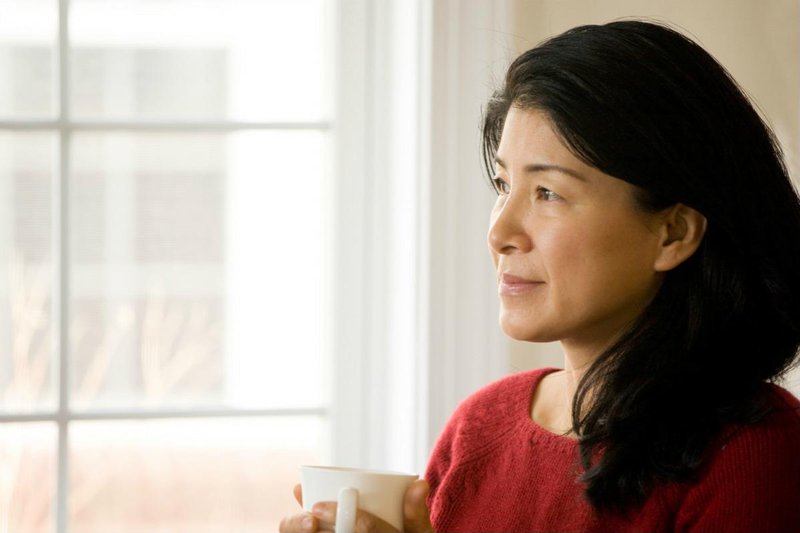
Glowing after 50 is rarely about discovering a secret formula or reversing time. Instead, it often reflects years of growth, resilience, self-discovery, and intentional living. While every person’s journey is unique, many women find that confidence becomes easier when they no longer feel pressured to meet every external expectation.
Science supports the idea that emotional well-being, healthy habits, meaningful relationships, and a sense of purpose all contribute to overall wellness. At the same time, cultures around the world have long recognized that maturity brings valuable qualities such as wisdom, compassion, and resilience.
Perhaps that is the real reason some women seem to shine more brightly with age. Their confidence no longer depends on perfection. It comes from experience, authenticity, and the quiet assurance that they have learned to value themselves from within.
Human curiosity often encourages us to search for beauty secrets, but sometimes the most meaningful discoveries are the simplest ones. True radiance is less about changing who we are and more about becoming comfortable with the person we have grown into.
Sources
- American Psychological Association. Research on self-esteem, emotional well-being, and healthy aging.
- National Institute on Aging. Healthy aging resources.
- World Health Organization. Healthy ageing guidance.
- Harvard T.H. Chan School of Public Health. Nutrition and healthy lifestyle research.
- Mayo Clinic. Wellness and healthy aging information.