
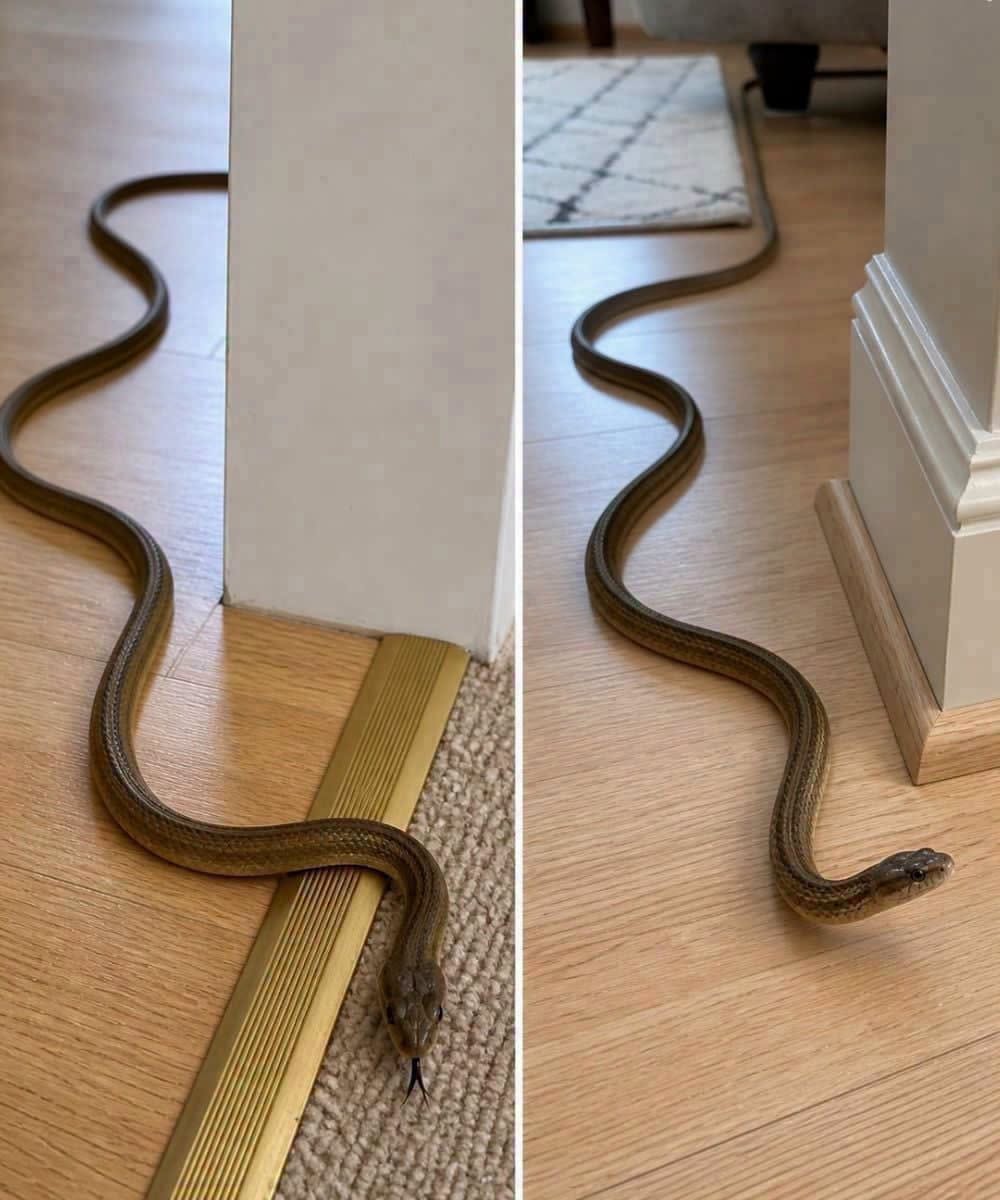
Imagine walking into your laundry room early one morning with a basket of freshly washed clothes. The house is quiet, the coffee is brewing, and everything feels perfectly ordinary. Then, out of the corner of your eye, you notice a long, slender shape resting near the wall. Your heart skips a beat. Is it a snake?
For many homeowners, this is one of the most startling wildlife encounters imaginable. Movies and urban legends have long portrayed snakes as mysterious visitors that appear without warning, fueling fear and uncertainty. Yet wildlife experts say that the reality is usually much simpler.
In most situations, snakes are not searching for people. They are simply looking for food, shelter, water, or a comfortable place to escape extreme weather. Understanding why snakes occasionally enter homes can replace panic with practical action, helping homeowners respond safely while appreciating the important role these reptiles play in nature.
Why Do Snakes Enter Homes?
A snake does not see your house the way you do.
To people, a home is a place of comfort and security. To a snake, it may simply appear to be another sheltered environment offering favorable conditions.
Wildlife specialists explain that snakes typically enter buildings for several basic reasons:
A reliable food source
Protection from predators
Comfortable temperatures
Access to water
Safe places to hide
Rather than intentionally seeking human contact, snakes generally wander into spaces that accidentally meet these needs.

Small Openings Can Become Unexpected Entry Points
Many homes contain tiny gaps that often go unnoticed.
Cracks in foundations, spaces beneath doors, damaged weather stripping, vents, crawl spaces, garages, utility pipe openings, and loose exterior siding can all provide enough room for certain snake species to enter.
Some snakes are surprisingly flexible and can move through openings much smaller than most people expect.
Regular home maintenance can significantly reduce these opportunities.
Indoor Spaces That Appeal to Snakes
Once inside, snakes usually seek quiet locations where they can remain undisturbed.
Common hiding places include:
Basements
Laundry rooms
Garages
Storage rooms
Utility closets
Crawl spaces
Areas behind appliances
Stacks of boxes
Wood piles stored indoors
Cluttered corners
These locations often provide darkness, stable temperatures, and protection from outside conditions.
Because snakes prefer avoiding unnecessary encounters, they frequently remain hidden for extended periods.
The Biggest Attraction May Not Be Your House
Experts emphasize that the house itself is often not the primary attraction.
Instead, snakes may be following their food.
Rodents such as mice and rats create ideal hunting opportunities. Large populations of crickets, insects, frogs, or other small animals can also attract certain snake species.
If a property supports abundant prey, predators naturally become more interested.
Addressing pest problems is therefore one of the most effective long-term strategies for discouraging snakes from lingering nearby.
![Yellow Rat Snake? [Tucson, AZ] : r/whatsthissnake](https://preview.redd.it/yellow-rat-snake-tucson-az-v0-ldre658nfy8f1.jpeg?width=1080&crop=smart&auto=webp&s=514b329ba1f498009302a5b99aa2a74e729e539e)
How Weather Influences Snake Activity
Seasonal weather greatly affects snake behavior.
During periods of intense heat, snakes search for cooler locations that help regulate their body temperature.
When temperatures become colder, sheltered environments offering warmth become attractive.
Heavy rainfall may also encourage snakes to move to higher, drier ground.
Because homes often provide stable indoor temperatures throughout the year, they may occasionally appear appealing to wildlife responding to changing environmental conditions.
Myths About Snakes in the Home
Throughout history, snakes have appeared in folklore, mythology, and cultural traditions around the world.
Some cultures viewed snakes as symbols of wisdom, healing, transformation, or renewal because they shed their skin.
Others associated them with mystery or spiritual guardianship.
These symbolic stories remain culturally significant, but they should not be confused with modern wildlife science.
One common myth suggests that snakes deliberately seek out people or homes.
Wildlife experts generally explain that there is no evidence that snakes intentionally pursue human interaction. Most species prefer avoiding people whenever possible.
Another widespread belief is that snakes always become aggressive when encountered.
In reality, many snakes rely on remaining still or quietly retreating when they detect human activity. Defensive behavior is more likely if an animal feels cornered or threatened.
The Science Behind Snake Behavior
Snakes have survived for millions of years through remarkable adaptations.
Unlike mammals, snakes are ectothermic, meaning they depend largely on external temperatures to regulate their body heat.
This biological characteristic explains why environmental conditions strongly influence their movements.
Many snakes also possess highly developed senses.
Some species detect subtle ground vibrations.
Others use specialized heat-sensitive organs to locate warm-bodied prey.
Their remarkable sense of smell relies on collecting airborne particles with the tongue and processing them through the Jacobson’s organ, allowing them to gather detailed chemical information about their surroundings.
These adaptations help snakes locate food while avoiding unnecessary risks.
What Should You Do If You Find a Snake Indoors?
Experts consistently recommend remaining calm.
Although the experience may be surprising, sudden reactions can increase stress for both people and wildlife.
If you discover a snake inside your home:
Keep a safe distance.
Move children and pets away from the area.
Avoid attempting to touch, trap, or corner the snake.
Close the room if it can be done safely to limit movement.
Contact local animal control or a qualified wildlife removal service.
Observe the snake only from a safe distance if professionals request information about its location.
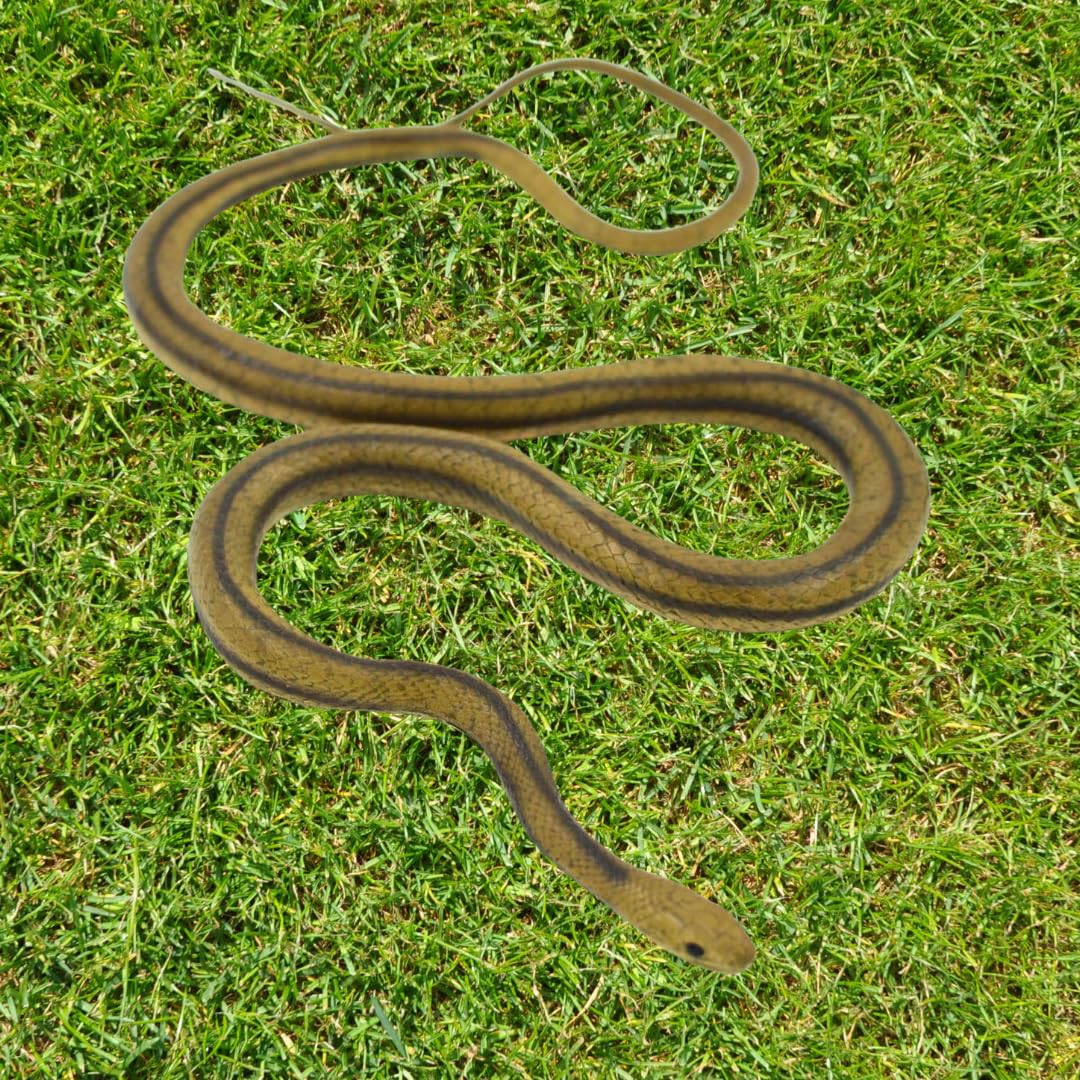
Trying to identify an unfamiliar snake from close range is generally discouraged, as many species can appear similar.
Allowing trained professionals to manage the situation is the safest approach.
What Experts Do During Snake Removal
Wildlife professionals are trained to relocate snakes safely while minimizing stress for both the animal and nearby residents.
Depending on local regulations and species involved, trained personnel may:
Identify the animal
Safely contain it
Relocate it to an appropriate habitat
Inspect the property for likely entry points
Offer recommendations to reduce future encounters
Professional removal also helps prevent unnecessary harm to native wildlife.
How to Make Your Home Less Attractive to Snakes
Prevention focuses on removing the conditions that attract wildlife.
Experts recommend several practical steps.
Seal cracks around foundations, pipes, windows, and doors.
Repair damaged screens and weather stripping.
Trim tall grass and dense vegetation close to the home.
Remove piles of leaves, wood, rocks, or outdoor debris where wildlife may hide.
Store firewood away from the house whenever possible.
Reduce indoor clutter, particularly in storage areas.
Address rodent or insect activity promptly.
Maintain clean outdoor spaces that discourage prey animals.
Together, these simple maintenance habits can significantly reduce the likelihood of future snake encounters.
Why Snakes Matter in Nature
Despite the fear they sometimes inspire, snakes perform valuable ecological roles.
Many species help regulate rodent populations, naturally limiting animals that may damage crops or spread disease.
Snakes also contribute to balanced food webs, serving both as predators and as prey for larger wildlife.
Healthy ecosystems depend on a wide variety of species, including reptiles.
Recognizing their ecological importance does not mean inviting snakes into homes, but it does encourage thoughtful coexistence whenever possible.
Balancing Respect With Safety
Healthy respect differs from unnecessary fear.
Understanding snake behavior allows homeowners to make informed decisions without overreacting.
Simple home maintenance, awareness of local wildlife, and professional assistance when needed provide practical ways to reduce risk while protecting native animals.
Education remains one of the most effective tools for peaceful coexistence between people and wildlife.
Conclusion
Finding a snake inside a home can certainly be surprising, but experts remind us that these encounters are usually driven by basic survival rather than confrontation. Snakes seek food, shelter, comfortable temperatures, and quiet places to hide—not human interaction.
By sealing entry points, reducing pest activity, maintaining tidy indoor and outdoor spaces, and contacting trained wildlife professionals when necessary, homeowners can greatly reduce the chances of future encounters.
Throughout history, snakes have inspired myths, cultural symbolism, and scientific curiosity. While folklore often portrays them as mysterious creatures, modern research paints a clearer picture of animals responding naturally to their environment.
Human curiosity has always been shaped by the wildlife that shares our world. The more we understand the behaviors behind unexpected encounters, the better equipped we become to respond with knowledge instead of fear. Respect for nature, combined with practical prevention, helps create safer homes while supporting the balance of the ecosystems around us.
Sources
TBDig Divaxo. Think There Might Be a Snake in Your Home? Here’s What Experts Recommend.
National Wildlife Federation. Living with Wildlife Resources.
Smithsonian’s National Zoo & Conservation Biology Institute. Snake Facts and Reptile Education.
National Park Service. Living Safely with Wildlife.
Centers for Disease Control and Prevention (CDC). Venomous Snakes and Wildlife Safety.
The Humane Society of the United States. Wildlife Conflict Prevention Resources.