


On a quiet morning, a routine conversation between neighbors can seem like just another part of everyday life. A question about a barking dog, a reminder to move a vehicle, or a request to clean up after a pet is usually resolved with a few words and mutual understanding.
Occasionally, however, disagreements become far more serious than anyone expects. One recent incident in New York City drew national attention after a dispute involving pet waste reportedly escalated into a physical confrontation. While authorities continue investigating the case, the story has prompted broader discussions about neighborly respect, responsible pet ownership, and peaceful conflict resolution.
Rather than focusing solely on the incident itself, it also serves as an opportunity to explore how communities can handle disagreements more constructively and why simple acts of courtesy help create safer neighborhoods for everyone.
A Neighborhood Dispute That Made Headlines
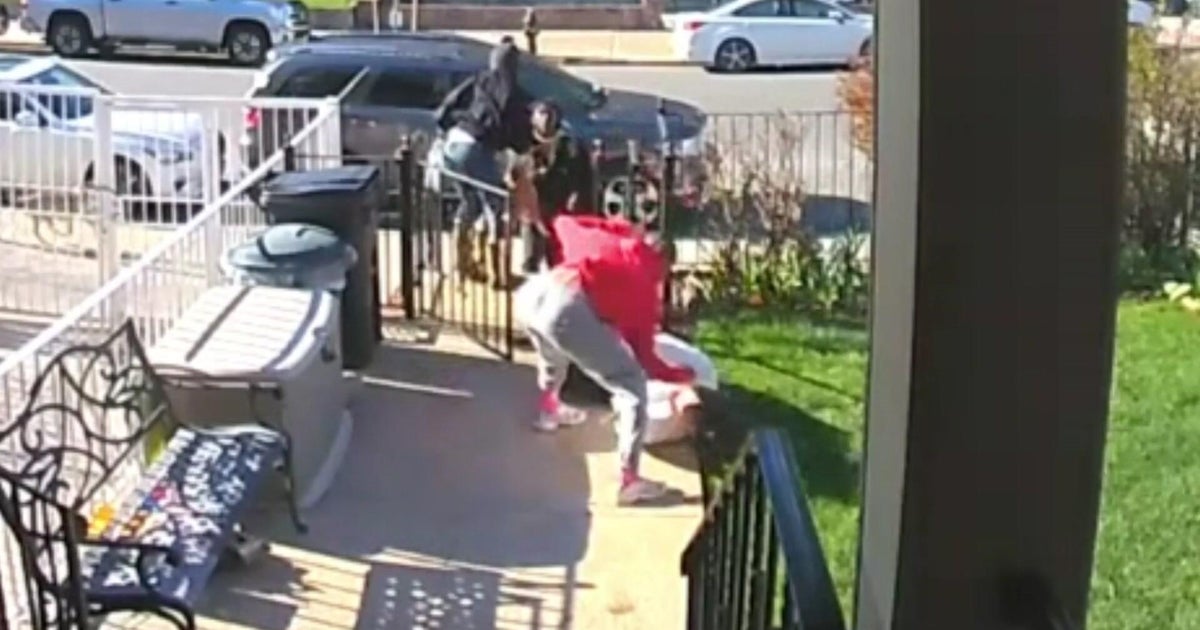
According to reports from New York City, a 75-year-old woman, Linda Scott, was involved in an altercation outside her home in the Crown Heights neighborhood after speaking with a neighbor regarding dog waste left near her property.
Doorbell camera footage reportedly captured part of the encounter. Authorities say another individual became involved during the disagreement, leading to an alleged assault before a nearby resident intervened to stop the incident.
Emergency responders transported Scott to a hospital, where she received medical care before later being released.
At the time of reporting, the New York Police Department stated that the investigation remained active as officers continued efforts to identify and locate the suspect. Because the investigation is ongoing, details are based on statements released by law enforcement and news reports.
Why Pet Waste Becomes a Source of Neighborhood Conflict
Although it may appear to be a minor issue, pet waste is one of the most common causes of disputes between neighbors.
Leaving pet waste uncollected can affect shared spaces in several ways.
It creates unpleasant odors.
It may attract insects or other animals.
It can reduce enjoyment of parks, sidewalks, and yards.
It may contribute to environmental contamination when left unattended.
Most municipalities encourage pet owners to clean up after their animals as part of responsible community living.
Simple courtesy often prevents disagreements before they begin.
Responsible Pet Ownership Extends Beyond Caring for Animals
Owning a dog involves more than providing food, shelter, and veterinary care.
Responsible ownership also includes respecting neighbors and shared public spaces.
Many communities encourage pet owners to:
Carry waste bags during walks.
Dispose of waste properly.
Keep dogs under appropriate control.
Respect private property.
Follow local leash regulations.
Be aware of how pets affect nearby residents.
These habits strengthen trust between neighbors while helping maintain clean and welcoming communities.
The Cultural Value of Good Neighbor Relationships
Throughout history, communities have depended on cooperation.
Many cultures teach values centered on mutual respect, kindness, and helping those who live nearby.
Ancient traditions across Asia, Europe, Africa, and the Americas often emphasize that peaceful neighborhoods are built through everyday acts of consideration rather than grand gestures.
Folklore sometimes portrays neighbors as lifelong allies who support one another during life’s challenges.
While these stories are symbolic, they reflect an enduring truth: communities function best when people communicate respectfully.

The Science of Conflict Escalation
Psychologists have long studied why ordinary disagreements sometimes grow unexpectedly intense.
Research suggests that emotional responses can increase when individuals feel misunderstood, embarrassed, or defensive.
Stress, frustration, and poor communication may also reduce a person’s ability to think calmly during disagreements.
Fortunately, conflict resolution experts emphasize that many disputes can be de-escalated through respectful conversation, active listening, and allowing time for emotions to settle before continuing difficult discussions.
Although no single strategy guarantees success, maintaining a calm tone often reduces the likelihood of further escalation.
Why Respectful Communication Matters
Most neighborhood disagreements begin with relatively simple concerns.
Noise.
Parking.
Property boundaries.
Pets.
Landscaping.
Trash collection.
In many cases, these issues can be resolved through direct but courteous communication.
Using respectful language, focusing on the problem rather than the person, and remaining willing to listen can help preserve positive relationships even when opinions differ.
When a Situation Feels Unsafe
Experts advise prioritizing personal safety whenever a disagreement begins to escalate.
If a situation appears increasingly tense, creating distance may be the safest option.
Avoid continuing arguments that become emotionally charged.
If immediate assistance is needed, contacting local emergency services is generally recommended.
Many communities also provide non-emergency mediation services that help neighbors resolve ongoing disputes before they become more serious.
The Role of Video Doorbell Cameras
Modern doorbell cameras have become increasingly common in residential neighborhoods.
Besides helping monitor package deliveries, they may also document unexpected events occurring near a property.
Video recordings sometimes assist investigators by providing objective evidence regarding the sequence of events.
At the same time, privacy laws vary by jurisdiction, making it important for homeowners to understand local regulations governing surveillance devices.

Keeping Public Spaces Clean Benefits Everyone
Communities thrive when residents share responsibility for common areas.
Simple actions such as cleaning up after pets, disposing of litter properly, and respecting sidewalks and parks contribute to healthier neighborhoods.
Public sanitation experts note that consistent waste removal helps maintain cleaner environments while reducing unpleasant odors and discouraging unwanted pests.
These everyday habits improve quality of life for everyone who shares the neighborhood.
Understanding the Emotional Impact on Communities
Highly publicized neighborhood incidents often affect more than the individuals directly involved.
Nearby residents may feel concerned about safety.
Families may become more cautious during daily activities.
Neighbors sometimes experience increased anxiety until authorities complete their investigations.
Community support, clear communication from local officials, and visible public safety efforts can help restore confidence following unsettling events.
What Communities Can Learn
Every widely reported incident offers opportunities for reflection.
Residents can strengthen neighborhoods by:
Practicing respectful communication.
Following local community rules.
Taking responsibility for pets.
Reporting ongoing concerns through appropriate channels.
Seeking peaceful solutions whenever possible.
Supporting neighbors during difficult situations.
Small actions performed consistently often have the greatest long-term impact.
Balancing Facts With Ongoing Investigations
When incidents receive widespread media attention, additional speculation often appears online.
It is important to distinguish verified information released by law enforcement from opinions shared on social media.
As investigations continue, official updates provide the most reliable information available.
Waiting for confirmed facts helps encourage fair and informed public discussion.
Conclusion
The reported incident involving Linda Scott serves as a reminder that everyday disagreements can have consequences when respectful communication breaks down. While the legal process will determine the facts surrounding this individual case, the broader lesson extends far beyond one neighborhood.
Responsible pet ownership includes caring for animals as well as respecting shared community spaces. Likewise, being a good neighbor involves patience, courtesy, and a willingness to resolve disagreements peacefully whenever possible.
Throughout history, cultures have celebrated cooperation as the foundation of strong communities, while modern research continues to demonstrate the value of calm communication and conflict resolution. These timeless principles remain just as relevant today.
Human curiosity naturally draws attention to dramatic news stories, but the most meaningful takeaway is often the lesson beneath the headline. By choosing respect, responsibility, and understanding in our daily interactions, communities become safer, cleaner, and more welcoming places for everyone.
Sources
Daily Mail. Grandma has face stomped after asking neighbor to pick up dog’s poop. Published April 12, 2026.
New York Police Department (NYPD). Public safety information and community resources.
American Veterinary Medical Association (AVMA). Responsible Pet Ownership Guidelines.
Centers for Disease Control and Prevention (CDC). Healthy Pets, Healthy People.
American Psychological Association (APA). Resources on conflict resolution and communication.