


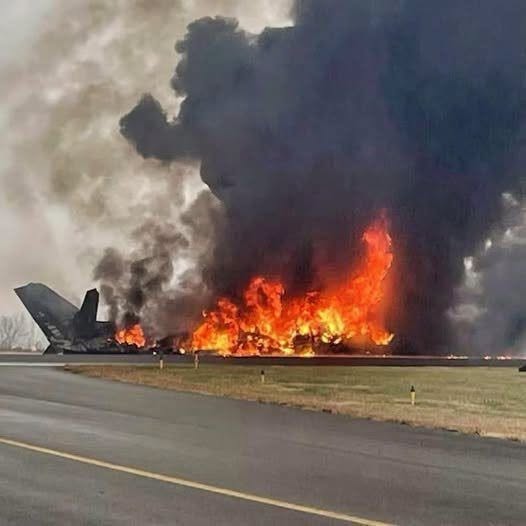
Commercial aviation is one of the safest forms of transportation, thanks to decades of engineering improvements, rigorous pilot training, and continuous safety oversight. Even so, rare incidents remind the aviation community that every flight involves careful coordination between technology, weather, and highly trained professionals.
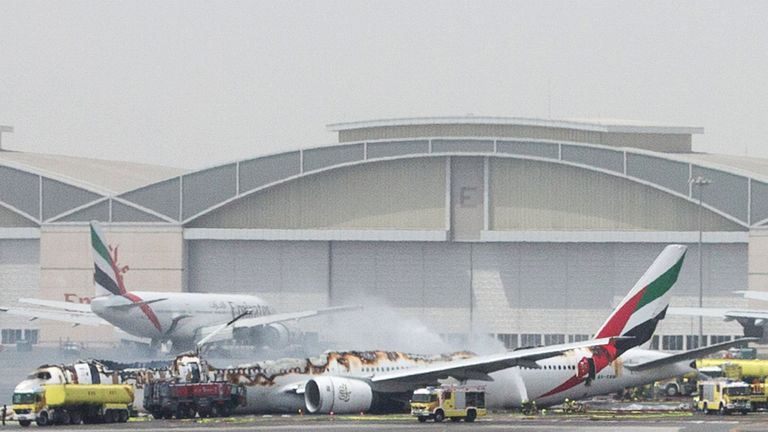
One such event occurred on August 3, 2016, when Emirates Flight EK521 experienced an accident while landing at Dubai International Airport. Although the aircraft was seriously damaged, all passengers and crew were safely evacuated, making the event an important case study in aviation safety and emergency response.
This article explores what happened, what investigators learned, and how the aviation industry used the findings to improve future operations.
The Flight to Dubai
Flight EK521 was operating a scheduled service from Trivandrum International Airport to Dubai.
The aircraft involved was a Boeing 777-300ER, one of the world’s most widely used long-haul passenger aircraft.
After a routine flight, the aircraft approached Dubai for landing under hot summer weather conditions.
What Happened During Landing?
As the aircraft approached the runway, the flight crew encountered changing wind conditions during the final stages of landing.
The aircraft touched down but subsequently became airborne again during the landing sequence before descending onto the runway.
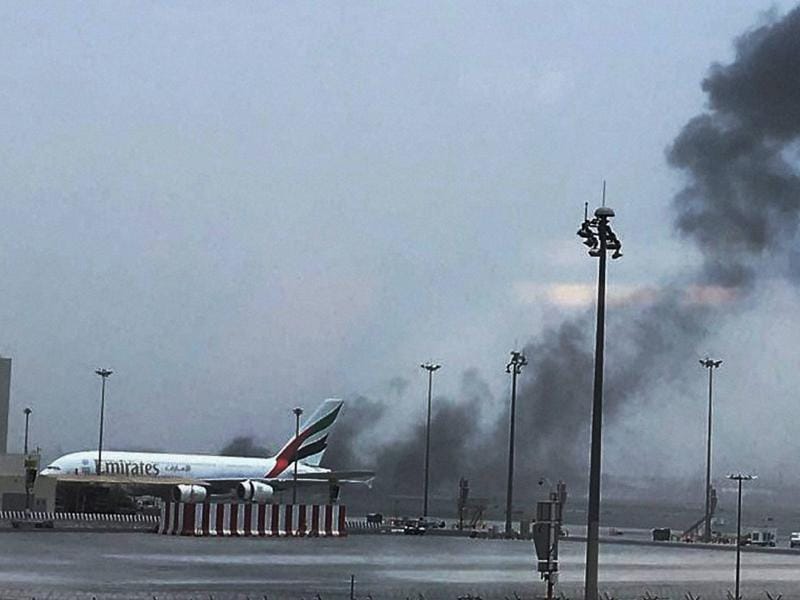
Following the landing, a fire developed, leading to a rapid emergency evacuation.
Thanks to the crew’s training and coordinated emergency procedures, everyone onboard exited the aircraft safely.
A Successful Passenger Evacuation
One of the most remarkable aspects of the event was the successful evacuation.
All 300 people onboard, including passengers and crew members, left the aircraft safely using emergency evacuation procedures.
Cabin crew members followed established safety protocols while airport emergency responders arrived quickly to assist.
The event demonstrated the importance of:
- Regular crew training
- Clearly marked emergency exits
- Passenger safety briefings
- Coordinated airport emergency services
The Investigation
The accident was investigated by the General Civil Aviation Authority with assistance from international aviation organizations and technical experts.
Investigators carefully reviewed:
- Flight data recorder information
- Cockpit voice recordings
- Aircraft systems
- Weather conditions
- Air traffic communications
- Operational procedures
Aviation investigations are designed to identify contributing factors and improve future safety rather than assign blame.
The Role of Weather
One factor examined during the investigation was wind shear, a rapid change in wind speed or direction that can affect aircraft performance during takeoff or landing.
Modern aircraft and pilots are trained to recognize and respond to changing weather conditions.
Investigators concluded that a combination of environmental conditions and operational factors contributed to the accident sequence.
The findings have since informed additional training and operational guidance.
Airport Operations
Following the accident, Dubai International Airport temporarily suspended runway operations while emergency personnel secured the area.
As one of the world’s busiest airports, the disruption affected numerous arriving and departing flights.
Airport staff worked to restore operations as safely and efficiently as possible.
The incident also demonstrated the importance of well-prepared airport emergency plans for handling unexpected situations.
Honoring Emergency Responders
During the emergency response, a firefighter lost his life while carrying out rescue operations.
His dedication has been widely recognized as an example of the courage displayed by emergency personnel who work to protect travelers every day.
Emergency responders—including firefighters, medical teams, airport personnel, and law enforcement—play a vital role whenever aviation incidents occur.
Their preparation and professionalism contribute significantly to passenger safety.
How Aviation Learns From Every Incident
Commercial aviation continually improves through careful investigation and shared learning.
Following significant events, airlines, aircraft manufacturers, regulators, and airports review procedures to identify opportunities for improvement.
These reviews may lead to updates involving:
- Pilot training
- Operational guidance
- Emergency procedures
- Weather awareness
- Airport response planning
This ongoing process has helped make modern air travel increasingly safe over many decades.
Safety Features That Protect Passengers
Aircraft today incorporate numerous safety systems designed to support passengers and crews.
These include:
- Multiple backup flight systems
- Advanced weather radar
- Fire detection equipment
- Emergency lighting
- Clearly marked exits
- Inflatable evacuation slides
Cabin crew members also receive extensive recurrent training that prepares them for a wide range of emergency situations.
Although such events are rare, preparedness remains an essential part of aviation safety.
The Importance of Crew Training
The successful evacuation of EK521 highlighted the value of continuous training.
Airlines regularly conduct realistic emergency simulations covering scenarios such as:
- Rapid evacuations
- Cabin communication
- Passenger assistance
- Fire response
- Coordination with airport emergency teams
These exercises help ensure crews can respond calmly and effectively when unexpected situations arise.
Public Confidence in Air Travel
Despite rare accidents, aviation continues to maintain an excellent overall safety record.
International organizations continuously monitor safety performance, develop new technologies, and strengthen global standards.
Every investigation contributes valuable knowledge that benefits airlines, manufacturers, regulators, and passengers worldwide.
This commitment to continuous improvement remains one of aviation’s greatest strengths.
Conclusion
The accident involving Emirates Flight EK521 remains an important chapter in aviation safety history. While the aircraft was severely damaged during landing, the successful evacuation of everyone onboard demonstrated the effectiveness of modern aircraft design, professional flight crews, and coordinated airport emergency services.
The subsequent investigation provided valuable insights into weather-related operations and reinforced the aviation industry’s commitment to learning from every incident. Today, those lessons continue to shape pilot training, operational procedures, and airport preparedness around the world.
Human curiosity naturally draws us to stories involving remarkable events, but the lasting significance of EK521 lies not in dramatic headlines. Instead, it is found in the dedication of aviation professionals who continually work to make air travel safer for millions of passengers every day.
Sources
- General Civil Aviation Authority – Final Investigation Report
- International Civil Aviation Organization
- Boeing – Boeing 777 Technical Information
- International Air Transport Association
- Flight Safety Foundation