

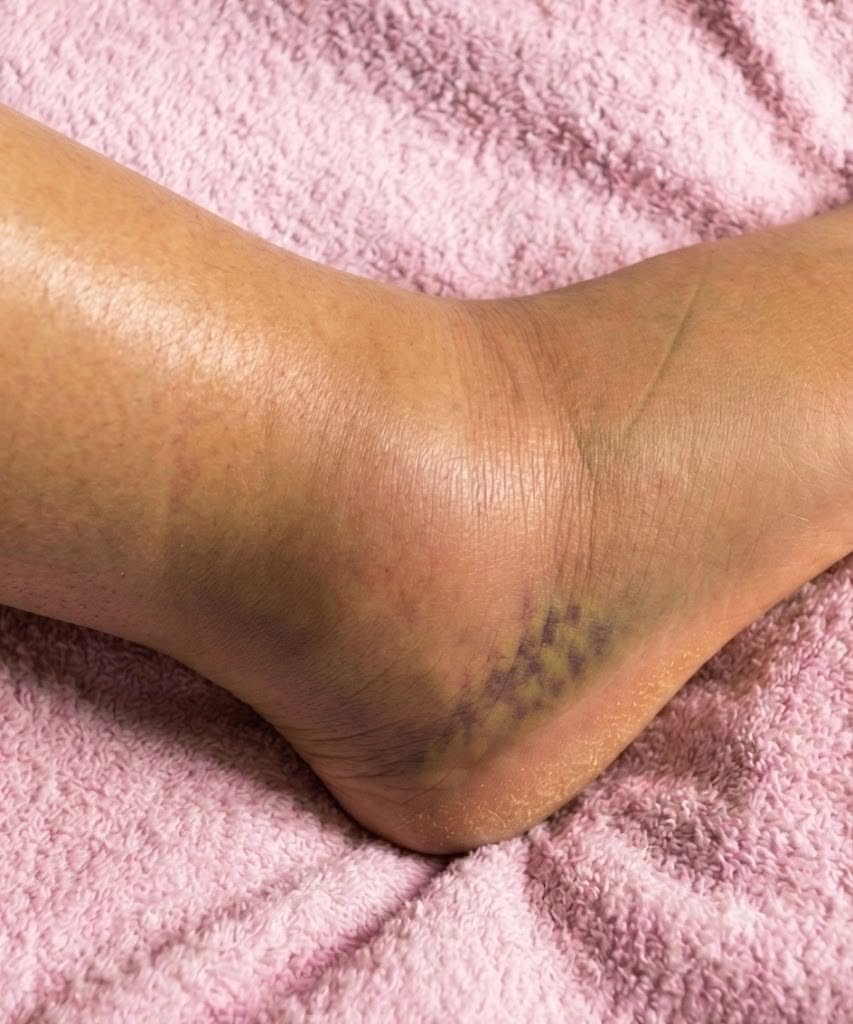
Swollen feet or legs after a long day of standing or sitting are something many people experience from time to time. In many cases, the swelling improves after resting, elevating the legs, or staying active.
However, when swelling becomes frequent, persistent, or appears alongside other symptoms, it may signal an underlying medical condition that deserves professional attention.
Understanding the possible causes of leg swelling can help you know when simple self-care may be appropriate and when it’s important to seek medical advice. While swelling does not always indicate a serious problem, it should never be ignored if it is severe, sudden, or accompanied by other concerning symptoms.
What Is Leg Swelling?
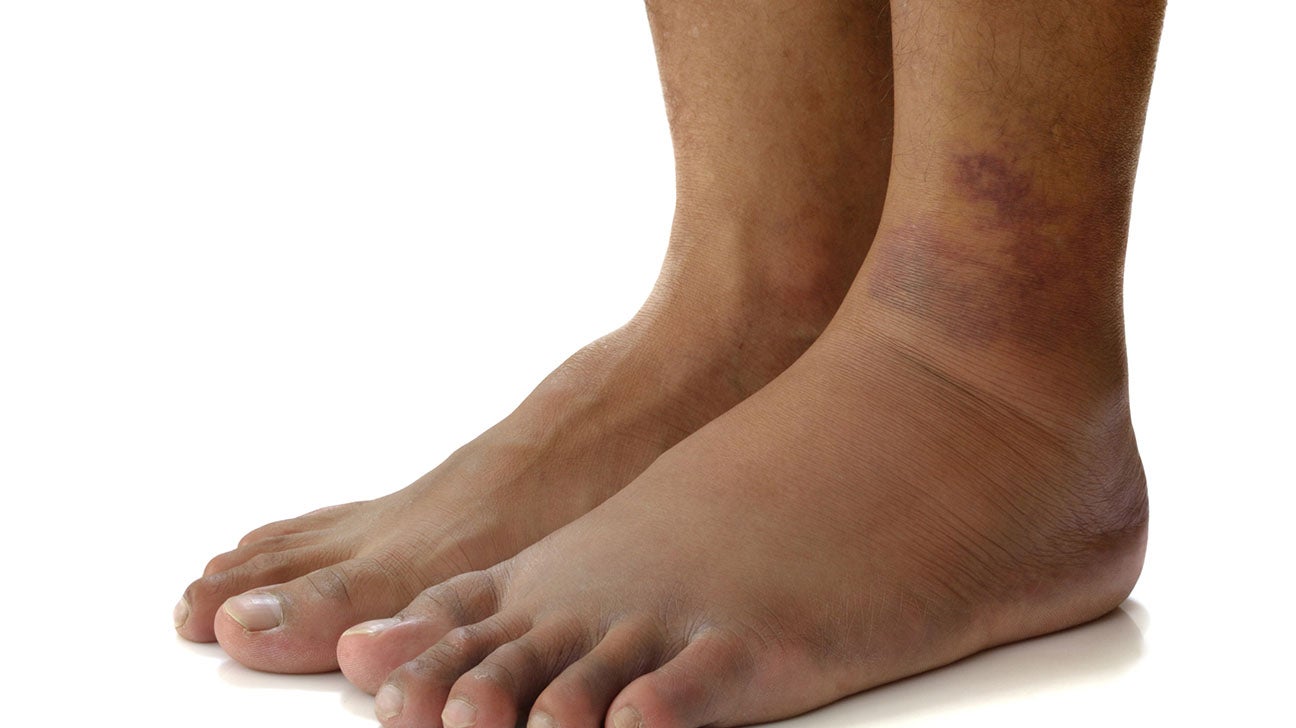
Leg swelling, medically known as edema, occurs when excess fluid collects in the tissues of the feet, ankles, or legs.
Swelling may affect:
- One foot or leg
- Both legs equally
- Only the ankles
- The lower legs and feet
The amount of swelling can range from mild puffiness to more noticeable enlargement.
Common Everyday Causes
Many cases of temporary swelling are not related to serious illness.
Common causes include:
- Standing for long periods
- Sitting during long trips
- Hot weather
- Pregnancy
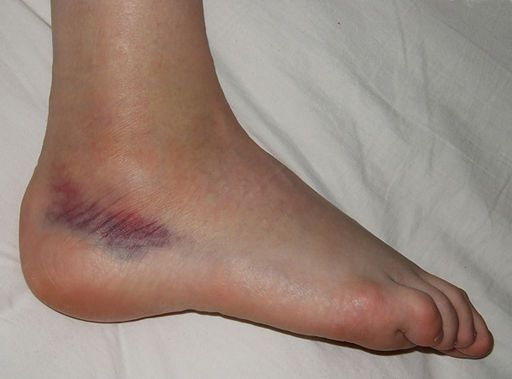
- Minor injuries
- High sodium intake
In these situations, swelling often improves after resting, moving around, or elevating the legs.
Poor Circulation
One common medical cause of leg swelling is reduced circulation.
When blood has difficulty returning from the legs to the heart, fluid may gradually collect in the lower limbs.
People may also notice:
- A feeling of heaviness
- Mild aching
- Swelling that worsens throughout the day
Regular walking, movement, and following a healthcare professional’s advice may help improve circulation in many cases.
Varicose Veins
Varicose veins develop when valves inside leg veins become less effective at moving blood upward.
This may result in:
- Enlarged visible veins
- Leg discomfort
- A heavy sensation
- Swelling around the ankles
Many treatment options are available, ranging from lifestyle changes to medical procedures, depending on the severity.
Diet and Fluid Balance
Nutrition also plays a role in fluid retention.
Eating large amounts of sodium may encourage the body to retain extra fluid.
Foods that commonly contain high amounts of sodium include:
- Processed snacks
- Fast food
- Packaged soups
- Processed meats
- Ready-made sauces
Choosing more fresh fruits, vegetables, whole grains, and drinking adequate water can help support healthy fluid balance.
Heart Health
Persistent swelling affecting both legs can sometimes be associated with heart conditions.
When the heart does not pump blood as efficiently, fluid may accumulate in different parts of the body, including the lower legs.
Other symptoms that may occur include:
- Shortness of breath
- Reduced exercise tolerance
- Fatigue
- Rapid or irregular heartbeat
These symptoms should be evaluated promptly by a healthcare professional.
Kidney Function
The kidneys help regulate fluid and remove waste products from the body.
When kidney function is impaired, excess fluid may build up.
Possible signs include:
- Swollen feet or ankles
- Puffiness around the eyes
- Changes in urination
- Fatigue
Only a medical evaluation can determine whether kidney function is contributing to swelling.
Liver Conditions
The liver also helps regulate proteins that maintain normal fluid balance.
Certain liver conditions may contribute to fluid accumulation in the legs or abdomen.
Because liver diseases have many possible causes, persistent swelling should be assessed by a healthcare provider when accompanied by other symptoms.
Blood Clots
A blood clot in a deep vein, known as deep vein thrombosis (DVT), is one possible cause of swelling in one leg.
Possible symptoms include:
- Swelling in one leg
- Pain or tenderness
- Warmth
- Skin discoloration
A suspected DVT requires immediate medical evaluation, as prompt diagnosis and treatment are important to reduce the risk of complications.
When Should You See a Doctor?
Occasional swelling that improves after rest is often not a cause for concern.
However, you should arrange medical evaluation if swelling:
- Lasts several days.
- Occurs repeatedly.
- Continues to worsen.
- Appears without an obvious cause.
- Is associated with pain or skin changes.
Healthcare professionals can determine the underlying cause through a medical history, physical examination, and, when appropriate, laboratory tests or imaging.
When to Seek Emergency Care
Seek emergency medical attention immediately if leg swelling occurs together with symptoms such as:
- Difficulty breathing
- Chest discomfort
- Sudden swelling of one leg with significant pain
- Fainting
- Confusion
These symptoms may indicate conditions requiring urgent medical treatment.
Healthy Habits That May Help Reduce Mild Swelling
Depending on the cause, your healthcare provider may recommend lifestyle measures such as:
- Walking regularly
- Avoiding prolonged sitting or standing
- Elevating the legs when resting
- Maintaining a healthy body weight
- Reducing excess sodium intake
- Staying well hydrated
- Wearing compression stockings if recommended by a healthcare professional
These measures should complement—not replace—medical evaluation when swelling is persistent or unexplained.
Why Paying Attention Matters
Our bodies often provide early clues when something is changing.
Swelling is not a disease itself but rather a symptom that may have many possible explanations.
Recognizing patterns—such as when swelling occurs, how long it lasts, and whether it is accompanied by other symptoms—can help healthcare professionals identify the underlying cause more efficiently.
Early evaluation often provides more treatment options and greater peace of mind.
Conclusion
Leg swelling is common and frequently results from temporary factors such as prolonged standing, warm weather, or increased sodium intake. In many cases, simple measures like resting, elevating the legs, and staying active may help reduce mild swelling.
However, persistent, recurrent, or unexplained swelling deserves medical attention because it may be associated with circulation problems, vein disorders, or conditions affecting the heart, kidneys, or liver. Swelling affecting only one leg, especially when accompanied by pain or warmth, should be assessed promptly.
Human curiosity often encourages us to search for answers when our bodies change. Paying attention to symptoms, asking informed questions, and seeking appropriate medical care when needed are important steps toward maintaining long-term health and well-being.
Sources
- Mayo Clinic – Edema Overview
- Cleveland Clinic – Leg Swelling Causes
- National Heart, Lung, and Blood Institute – Vascular Health
- Centers for Disease Control and Prevention – Deep Vein Thrombosis Information
- National Kidney Foundation – Kidney Health Resources