

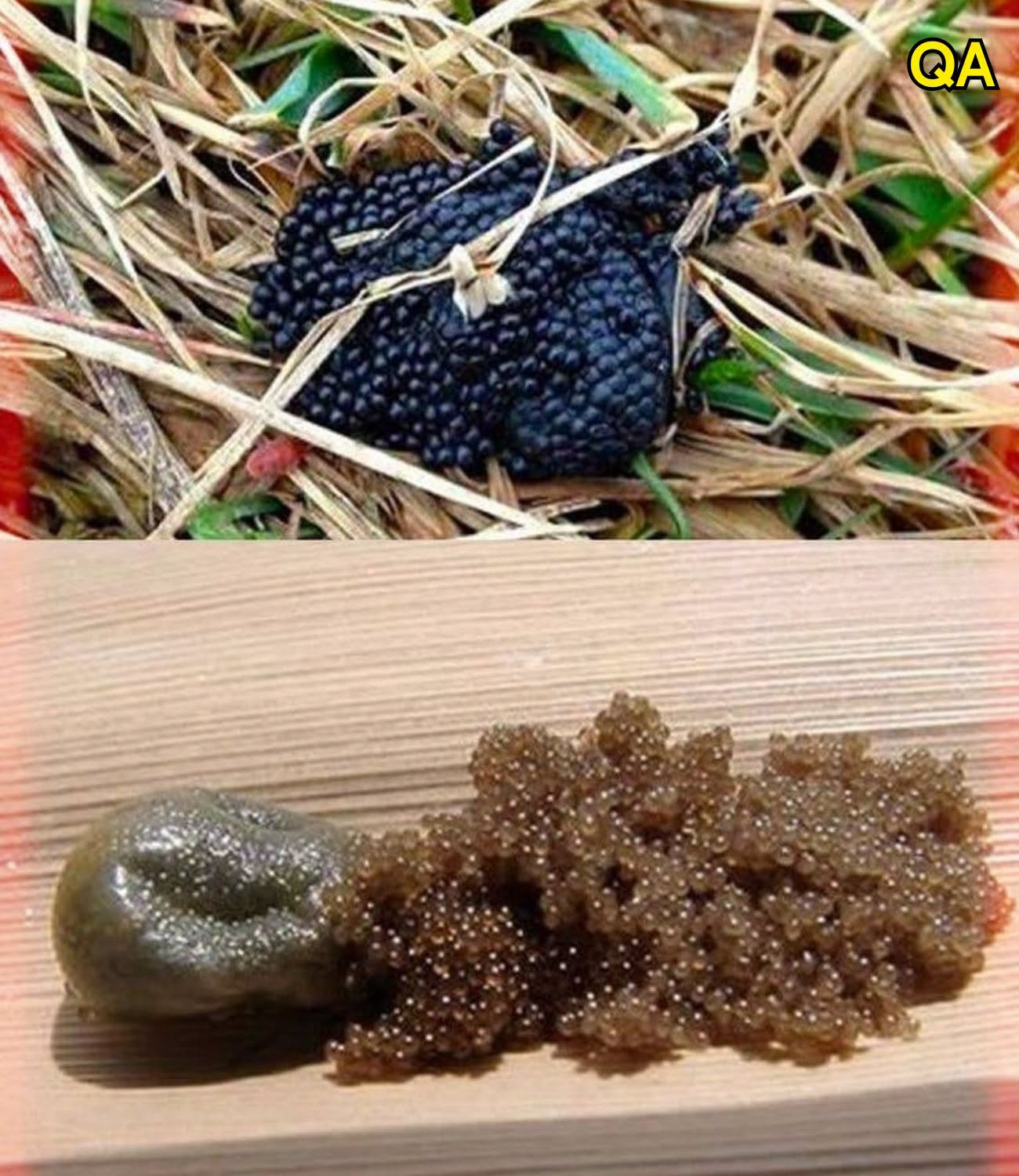
A peaceful morning in the garden often brings small surprises. Perhaps you’ve noticed a cluster of tiny reddish or brownish spheres tucked beneath a leaf, resting on damp soil, or attached to a piece of wood. At first glance, they may seem unusual, prompting an immediate question: What are these?
Online posts frequently claim that mysterious egg clusters are tick eggs and encourage immediate action. While the concern is understandable, the reality is more nuanced. Many natural objects—including insect eggs, spider eggs, seeds, fungi, and even plant structures—can appear remarkably similar.
The best first step is not panic but careful observation. Understanding what you’re seeing can help you make informed decisions while protecting both your garden and the local ecosystem.
Why Small Egg Clusters Can Be Difficult to Identify
Nature contains countless tiny organisms whose eggs share similar colors and shapes.
Without magnification or expert examination, distinguishing one species from another can be challenging.
Common look-alikes include:
-
Ladybug eggs
-
Moth and butterfly eggs
-
Spider egg sacs
-
Beetle eggs
-
Seeds from nearby plants
-
Small fungal growths
Because of these similarities, appearance alone is rarely enough to identify an egg cluster accurately.
What Tick Eggs Typically Look Like
Ticks are arachnids, making them relatives of spiders rather than insects.
Female ticks lay large groups of eggs in sheltered outdoor environments, often selecting places that provide moisture and protection.
According to scientific resources, tick eggs generally have several characteristics:
-
Very small in size
-
Round or slightly oval
-
Brownish, reddish, or amber in color
-
Deposited in tightly packed clusters
-
Usually hidden beneath leaf litter, vegetation, or soil debris
Even with these characteristics, many other species produce eggs that look nearly identical.
Why Proper Identification Matters
Mistaking harmless eggs for those of a pest can lead to unnecessary removal of beneficial insects.
Many insects play valuable roles in gardens by:
-
Pollinating flowers
-
Controlling plant pests
-
Recycling organic matter
-
Supporting local biodiversity
Taking a few moments to identify an unfamiliar discovery helps protect these helpful species while allowing appropriate action if needed.
Understanding the Tick Life Cycle
Learning about tick biology explains why prevention is often more effective than reacting after ticks become established.
A typical life cycle includes:
-
Egg
-
Larva
-
Nymph
-
Adult
Each stage requires specific environmental conditions to survive.
Many tick species prefer shaded areas with moisture, dense vegetation, and leaf litter where they are protected from drying out.
Understanding this cycle allows homeowners to reduce favorable habitat rather than focusing only on egg clusters.

Are Ticks Always a Health Concern?
Ticks are known to carry certain diseases in some regions.
However, not every tick carries disease, and not every tick species presents the same level of risk.
Public health organizations recommend awareness rather than alarm.
Reducing exposure through practical preventive measures is generally more effective than worrying about every unfamiliar object found outdoors.
What Should You Do If You Find an Unusual Egg Cluster?
If you notice a group of tiny eggs in your yard, consider the following steps:
-
Observe without touching them immediately.
-
Take a clear photograph for closer examination.
-
Compare the appearance with reliable identification guides.
-
Wear gloves if handling unknown outdoor materials.
-
Use gardening tools instead of bare hands when necessary.
If you remain uncertain, your local agricultural extension office or pest management professional may be able to help identify the specimen.
Garden Maintenance Can Reduce Tick Habitat
Rather than focusing solely on eggs, maintaining your outdoor space can help discourage ticks throughout their life cycle.
Helpful practices include:
-
Mowing grass regularly
-
Removing piles of leaves
-
Trimming dense vegetation
-
Keeping pathways clear
-
Reducing damp, shaded hiding places
These simple habits improve overall yard health while making the environment less attractive for ticks.
Protecting Pets During Outdoor Activities
Pets frequently spend time exploring areas where ticks may live.
Veterinary experts recommend several routine precautions:
-
Check pets after walks.
-
Brush their fur regularly.
-
Keep bedding clean.
-
Discuss preventive products with your veterinarian.
Regular inspections can help identify ticks before they become a larger concern.
Helping Your Family Stay Safe Outdoors
Most outdoor activities can be enjoyed safely with a few practical habits.
Consider:
-
Wearing long sleeves when hiking through tall vegetation.
-
Staying on established trails.
-
Checking clothing after spending time outdoors.
-
Showering after extended outdoor activities in wooded areas.
These simple practices are widely recommended by public health organizations.

Why Curiosity Is Better Than Assumptions
Finding something unfamiliar in your garden naturally sparks curiosity.
Instead of immediately assuming the worst, taking time to learn about what you’ve discovered often leads to better decisions.
Many surprising discoveries turn out to be completely harmless—or even beneficial to your garden.
Observation, careful identification, and evidence-based information provide a much stronger foundation than relying on alarming claims shared online.
Appreciating the Small Wonders of Nature
A cluster of tiny eggs may seem insignificant, but it represents the remarkable diversity of life that exists just beyond our doorstep. Whether the discovery turns out to belong to a butterfly, beetle, spider, or another small creature, each observation offers an opportunity to better understand the natural world.
By approaching unfamiliar discoveries with curiosity rather than fear, gardeners can make informed decisions that protect both their families and local ecosystems. After all, science often begins with a simple question—and every careful observation brings us one step closer to understanding the fascinating world around us.
Sources
-
Centers for Disease Control and Prevention (CDC). Tick Biology and Tick Bite Prevention.
-
American Veterinary Medical Association (AVMA). Parasite Prevention for Pets.
-
National Geographic. Tick Ecology and Behavior.
-
University Extension Programs. Tick Identification and Yard Management.
-
World Health Organization (WHO). Vector-Borne Diseases.