

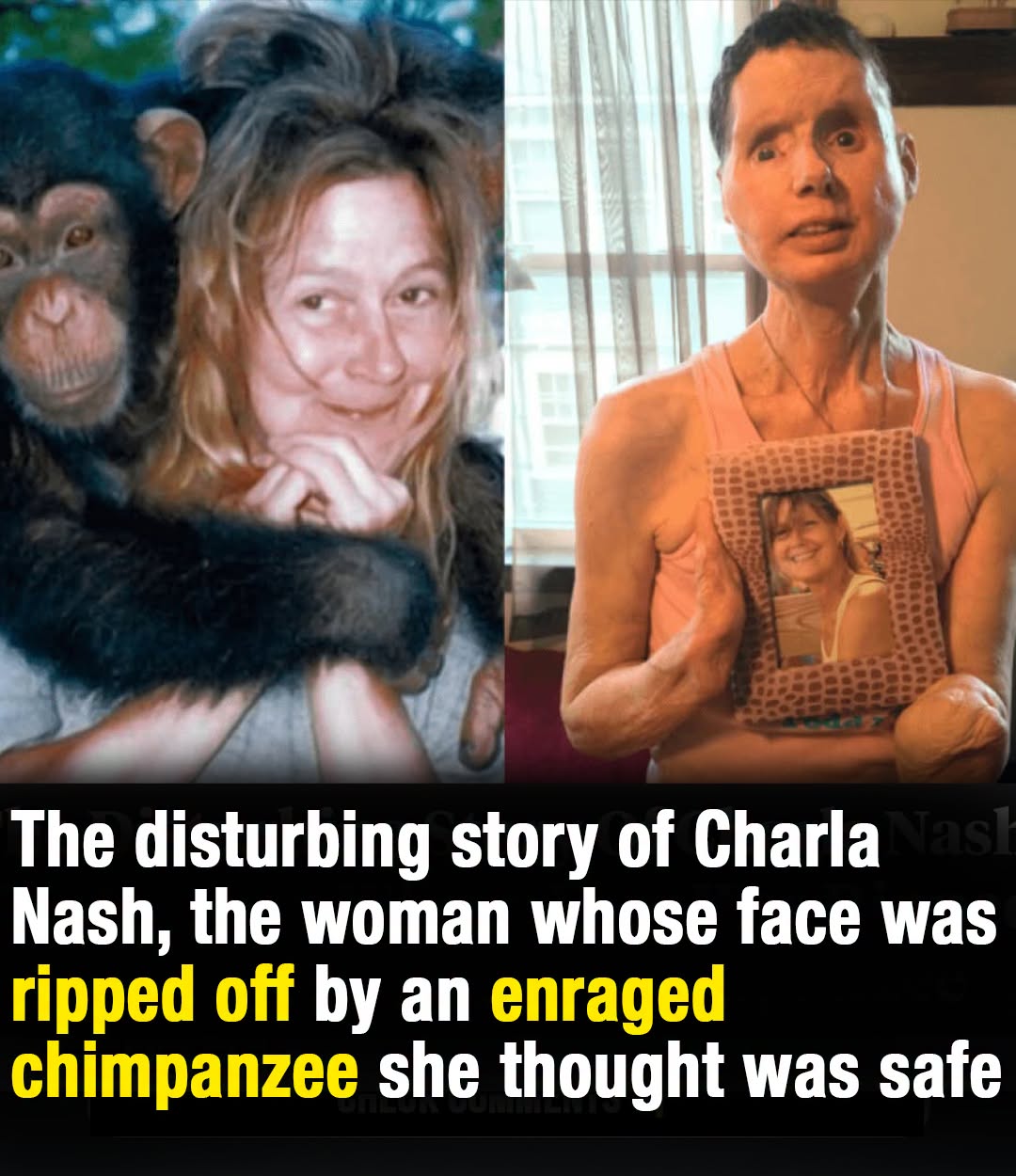
Sometimes, an ordinary day takes an unexpected turn that reshapes not only one person’s life but also influences public conversations for years to come.
In February 2009, Charla Nash answered a call from a longtime friend who needed assistance with a pet chimpanzee that had wandered away from its enclosure. What followed became one of the most widely discussed wildlife incidents in modern American history.
While the event drew international headlines, Charla Nash’s story is remembered today not simply because of the incident itself, but because of her remarkable resilience, her determination to rebuild her life, and her efforts to educate the public about the responsibilities and risks associated with keeping exotic animals.
Her experience continues to influence discussions among wildlife experts, lawmakers, and animal welfare organizations about the importance of respecting wild animals and protecting both people and wildlife.
Who Is Charla Nash?
Charla Nash was a Connecticut resident known by friends and family as a caring and dependable person. Before 2009, she lived a relatively private life away from public attention.
Everything changed after she responded to a request from her longtime friend, Sandra Herold, who owned a chimpanzee named Travis.
Although Charla was familiar with Travis through previous encounters, the events that unfolded that day would become a defining moment in conversations about exotic animal ownership in the United States.
Today, many people recognize Charla not only for surviving an extraordinary medical journey but also for using her experience to promote greater awareness about wildlife safety.

The Chimpanzee Named Travis
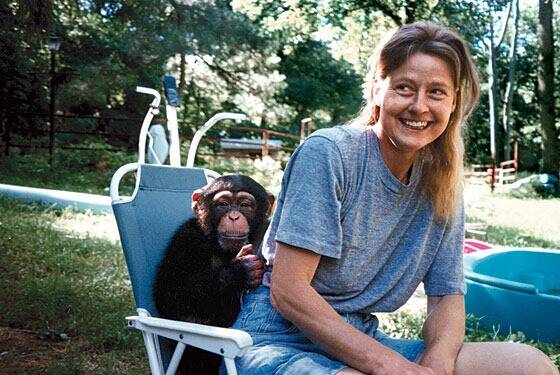
Travis was born in Missouri in 1995 and was raised by Sandra Herold and her husband in Stamford, Connecticut.
Unlike chimpanzees living in natural habitats, Travis grew up in a domestic environment and became well known within the local community.
He appeared in television commercials, learned numerous household routines, and was frequently described as displaying behaviors that resembled those of humans.
Stories shared by his owners included activities such as:
- Riding in vehicles
- Completing simple household tasks
- Eating meals with the family
- Responding to verbal commands
These characteristics fascinated many people and contributed to public interest in his story.
However, wildlife experts consistently emphasize that no matter how familiar a wild animal may appear, it retains natural instincts that cannot be completely eliminated.
Understanding Chimpanzee Behavior
Chimpanzees are among humanity’s closest living relatives, sharing approximately 98–99 percent of human DNA.
Their intelligence is remarkable.
Scientists have documented chimpanzees using tools, solving complex problems, recognizing individuals, communicating through gestures, and forming sophisticated social relationships.
Yet these impressive abilities do not make them suitable household companions.
Adult chimpanzees possess exceptional physical strength and highly complex social behaviors that evolved for life in the wild.
Primatologists explain that even chimpanzees raised around humans can react unpredictably under unfamiliar or stressful circumstances.
Because of these characteristics, accredited zoos and wildlife sanctuaries maintain carefully designed environments and specialized care protocols for great apes.
What Happened in February 2009?
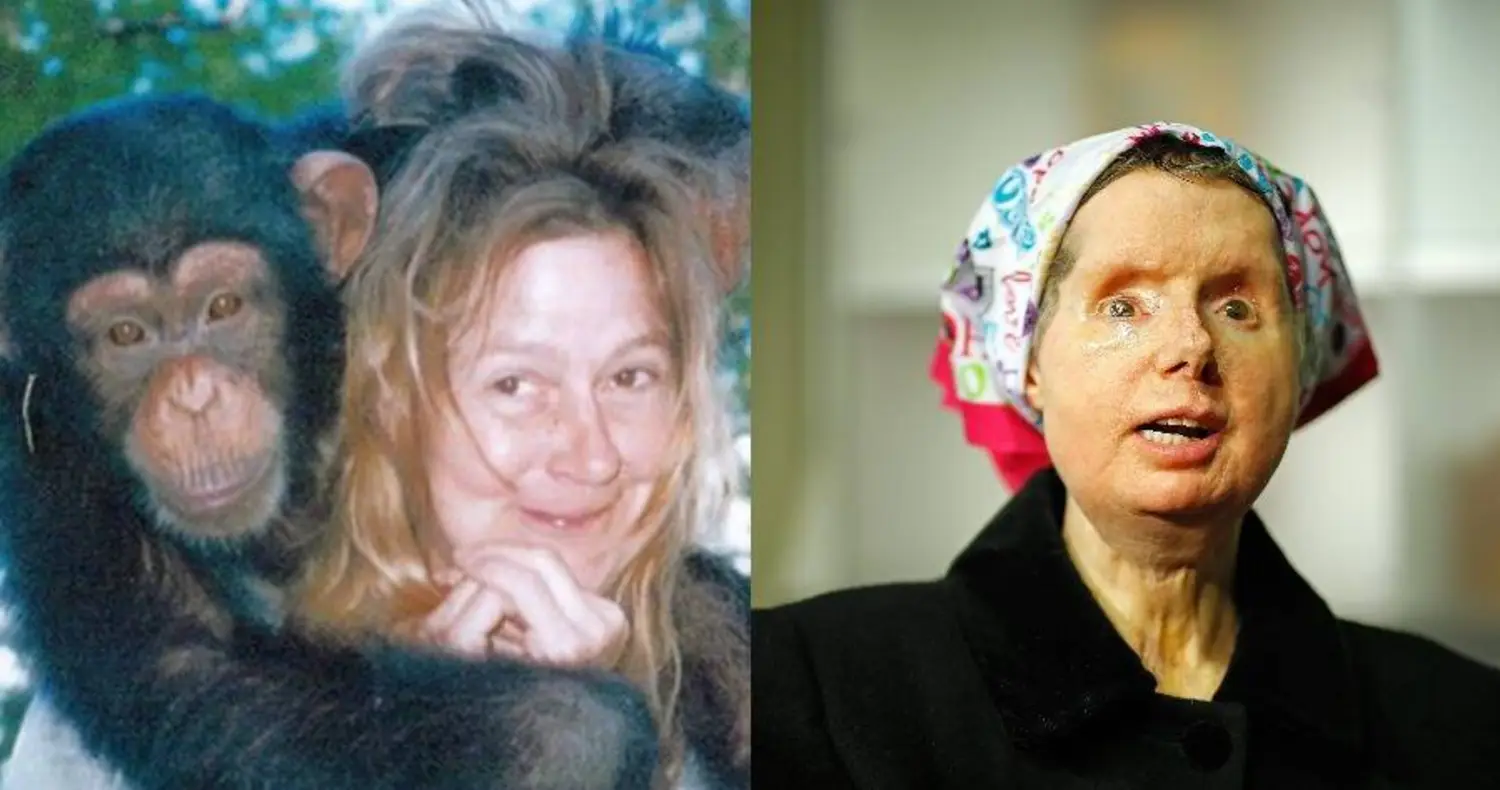
On the day of the incident, Sandra Herold contacted Charla Nash for assistance after Travis had taken her car keys and moved outside the home’s enclosure.
Charla arrived intending to help guide the chimpanzee back safely.
According to later reports, several factors may have contributed to Travis becoming confused or agitated. Some accounts suggested Charla’s different hairstyle, unfamiliar vehicle, or the object she carried may have appeared unusual to him.
It is impossible to determine with certainty what caused his reaction.
Animal behavior specialists generally caution that predicting the precise trigger for unexpected behavior in wild animals is often difficult because multiple environmental, biological, and psychological factors can interact simultaneously.
This uncertainty is one of the primary reasons experts advise against keeping great apes as household pets.
Medical Care and an Extraordinary Recovery
Following the incident, Charla Nash received emergency medical treatment before undergoing extensive reconstructive procedures performed by multidisciplinary surgical teams.
Her recovery required months of specialized medical care, rehabilitation, and ongoing support from healthcare professionals.
One of the most significant milestones came in 2011 when surgeons at Brigham and Women’s Hospital performed a groundbreaking full face transplant.
The operation represented a major achievement in reconstructive medicine and demonstrated how advances in transplant surgery could improve quality of life for patients with severe facial injuries.
Medical researchers have continued studying facial transplantation as a highly specialized procedure requiring careful patient selection, lifelong follow-up, and coordinated care from numerous specialists.
Charla’s recovery became an important example of both medical innovation and human resilience.
Choosing Hope Instead of Hiding
Following years of treatment, Charla Nash chose to share her experiences publicly.
She appeared in interviews and television programs not to seek attention but to increase public understanding of wildlife safety and responsible exotic animal policies.
Her message remained consistent.
Wild animals deserve environments that match their natural needs, and people should carefully consider the responsibilities and risks associated with keeping exotic species.
By speaking openly about her experience, Charla transformed a deeply personal tragedy into an educational opportunity that reached audiences around the world.

The Scientific Perspective on Exotic Animals
Wildlife biologists generally agree that great apes have complex physical, psychological, and social needs that cannot be fully met in typical residential settings.
Chimpanzees naturally live within structured social groups and require:
- Large, enriching environments
- Continuous mental stimulation
- Specialized veterinary care
- Opportunities for natural behaviors
- Care from trained professionals
Even individuals raised by humans remain biologically wild animals.
Research has shown that maturity can bring behavioral changes that are difficult to predict, reinforcing recommendations that chimpanzees belong in accredited conservation facilities rather than private homes.
Organizations such as the Wildlife Conservation Society and the Jane Goodall Institute have long advocated for responsible wildlife conservation instead of private ownership of great apes.
Public Policy and Wildlife Protection
The widely publicized incident contributed to renewed discussions regarding exotic animal regulations in the United States.
Lawmakers, wildlife organizations, veterinarians, and conservation experts revisited questions including:
- Which exotic animals should be privately owned?
- What licensing standards should exist?
- How can both public safety and animal welfare be improved?
- What responsibilities accompany ownership of highly intelligent wildlife?
These discussions influenced proposals including the Captive Primate Safety Act, legislation intended to strengthen restrictions involving private ownership and interstate commerce of certain primates.
Although legislative processes often evolve over many years, the conversation continues today as policymakers balance conservation, public safety, and responsible animal care.
Myths and Misconceptions About Chimpanzees
Popular culture has sometimes portrayed chimpanzees as playful companions capable of living comfortably alongside humans.
Television shows, advertisements, and movies have occasionally reinforced this perception.
In reality, primatologists explain that these portrayals can unintentionally create unrealistic expectations.
Chimpanzees are extraordinarily intelligent, emotionally complex, and physically capable animals whose natural behaviors differ significantly from those of domesticated pets.
Some people have speculated about specific factors that may have influenced Travis’s behavior that day, including health conditions or environmental changes.
While such possibilities have been discussed publicly, experts generally note that identifying one definitive explanation is rarely possible.
Instead, scientists emphasize a broader lesson: wild animals may respond unpredictably despite years of familiarity with human caregivers.
Why Wildlife Experts Continue Sharing This Story
Today, Charla Nash’s experience is frequently referenced in educational discussions about wildlife conservation.
The goal is not to sensationalize past events but to encourage informed decision-making.
Conservation professionals hope stories like this help people understand that respecting wildlife means allowing animals to live in environments suited to their biological and behavioral needs.
Protecting wildlife also helps protect communities.
When animals remain within appropriate habitats or accredited facilities, both humans and animals benefit.
A Legacy Beyond Headlines
Over time, public attention shifted away from the immediate news coverage and toward the broader lessons the incident revealed.
Charla Nash became recognized for her courage during years of medical treatment and rehabilitation.
Healthcare professionals pointed to her case as an example of advances in reconstructive surgery.
Wildlife organizations referenced the incident when discussing conservation and responsible animal management.
Lawmakers continued evaluating policies concerning exotic animal ownership.
Each perspective highlights a different aspect of the same story, demonstrating how one event can influence medicine, conservation, public policy, and education simultaneously.
The Importance of Respecting Wild Animals
Modern conservation emphasizes coexistence rather than domestication.
Many species possess remarkable intelligence, emotional complexity, and adaptability, yet these qualities do not necessarily make them appropriate companions for human households.
Respecting wildlife means appreciating animals for what they truly are rather than expecting them to fit into human lifestyles.
Zoos accredited by professional organizations, wildlife sanctuaries, conservation centers, and protected habitats exist because they provide environments designed around animals’ natural needs.
This approach benefits both wildlife and the communities that admire them.
Conclusion
Charla Nash’s story remains one of resilience, compassion, and determination. Although the events of 2009 dramatically changed her life, she chose to transform her experience into a message of awareness and education rather than allowing it to define her solely by hardship.
Her journey also reminds us that scientific understanding plays a vital role in shaping responsible relationships with wildlife. As researchers continue learning more about animal behavior and conservation, society gains valuable insights into how humans and wild animals can coexist safely and respectfully.
Stories like Charla’s naturally inspire curiosity, encouraging us to ask difficult questions about nature, responsibility, and compassion. By approaching these conversations with empathy, evidence, and respect for wildlife, we deepen our understanding of the natural world while helping create a safer future for both people and animals.
Sources
- Newsner – The disturbing story of Charla Nash, the woman whose face was ripped off by an enraged chimpanzee
- National Geographic – Great ape behavior and conservation
- Jane Goodall Institute – Chimpanzee behavior and wildlife conservation
- Wildlife Conservation Society (WCS) – Information on primates and responsible wildlife management
- Smithsonian’s National Zoo & Conservation Biology Institute – Chimpanzee species information
- Brigham and Women’s Hospital – Facial transplantation research and patient care