


Some legal cases become widely discussed not only because of the events involved but also because they raise complex questions about mental health, the justice system, and the path toward recovery.
One such case unfolded in California after a doctor was accused of intentionally driving a Tesla carrying his wife and two young children off a coastal cliff. The family survived the crash, leading to an extensive investigation, medical evaluations, and legal proceedings that lasted more than two years.
In July 2026, the case reached a significant milestone when a California court dismissed the criminal charges after the defendant completed approximately two years of court-ordered psychiatric treatment. The decision has renewed conversations about how courts balance public safety, medical treatment, and legal responsibility in cases involving mental health.
What Happened in the California Cliff Crash?
The incident occurred along California’s scenic coastline when a Tesla carrying four family members left the roadway and plunged down a steep cliff.
Inside the vehicle were:
- The doctor who was driving
- His wife
- Their two young children
Emergency responders launched a challenging rescue operation to reach the vehicle. Despite the severity of the crash, all four occupants survived, a result many observers described as remarkable given the difficult terrain and conditions.
The successful rescue drew national media attention and highlighted the expertise of first responders who worked under demanding circumstances.

The Criminal Investigation
Following the incident, investigators examined the circumstances surrounding the crash.
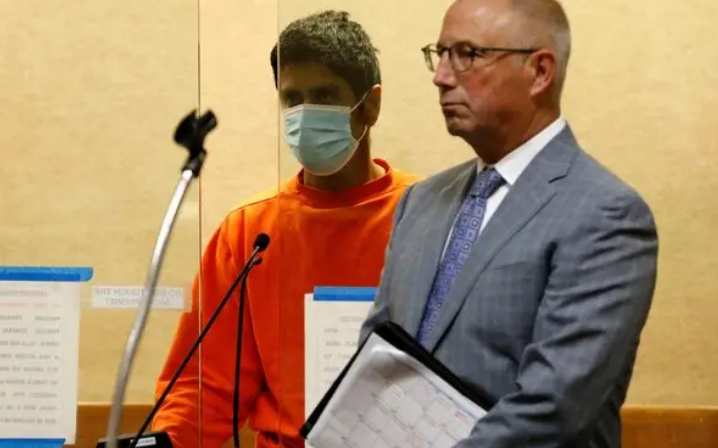
Prosecutors later charged the physician with multiple criminal counts, alleging that the vehicle had been intentionally driven off the roadway.
The allegations led to extensive court proceedings, during which both legal and medical questions became central to the case.
Rather than focusing solely on the events of the crash, the proceedings increasingly centered on the defendant’s mental health and competency to participate in the legal process.
The Role of Psychiatric Treatment
As the case progressed, the court ordered psychiatric treatment and ongoing evaluations.
Over approximately two years, medical professionals monitored the defendant’s condition while providing treatment designed to address his mental health needs.
Court-supervised psychiatric care can play an important role in cases where competency becomes a legal issue. Depending on medical evaluations and applicable state law, treatment may continue until professionals determine that a defendant’s condition has improved sufficiently for further legal proceedings or until another legal resolution becomes appropriate.
In this case, psychiatric treatment became one of the defining aspects of the legal process.
Why Did the Court Dismiss the Charges?
According to court proceedings, the dismissal followed the legal framework governing competency and mental health treatment in California.
Importantly, dismissing criminal charges under these procedures does not necessarily mean that a court has concluded the alleged conduct did not occur.
Instead, it reflects a legal determination based on factors such as competency, psychiatric evaluations, and the specific statutes that govern cases involving mental health treatment.
Legal experts often note that criminal courts must consider not only the alleged conduct but also whether a defendant is legally capable of participating in the judicial process.
These decisions vary according to state law and the individual circumstances of each case.
Understanding Competency in Criminal Law
Competency is a legal concept that differs from determining guilt or innocence.
In general, courts evaluate whether a defendant can:
- Understand the nature of the legal proceedings
- Communicate effectively with legal counsel
- Participate meaningfully in their defense
If medical professionals determine that these standards are not met, treatment may be ordered before a criminal case continues.
This process is intended to ensure fairness while protecting the legal rights of everyone involved.
Mental health professionals—not judges alone—typically play a central role by conducting evaluations and providing expert medical opinions.
Mental Health and the Justice System
Cases involving psychiatric treatment often illustrate the intersection between medicine and law.
Modern legal systems increasingly recognize that mental illness may affect an individual’s ability to navigate criminal proceedings.
For that reason, courts frequently rely on:
- Psychiatrists
- Psychologists
- Medical treatment teams
- Independent evaluators
These professionals help courts understand medical conditions without determining the legal outcome themselves.
Ultimately, judges make decisions by considering both medical evidence and applicable law.
The Family’s Privacy
Following the court’s decision, members of the family had not publicly commented in detail regarding the dismissal.
Many high-profile cases involving medical issues and family relationships receive extensive media attention.
However, privacy remains an important consideration, particularly when children are involved.
News organizations generally limit identifying details in such circumstances out of respect for the family’s personal lives.
Why the Case Received Widespread Attention
Several factors contributed to the extraordinary public interest.
An unusual survival story
The family’s survival after a dramatic coastal crash surprised many observers and drew international media coverage.
Advances in emergency response
The rescue demonstrated the coordination and expertise of emergency personnel working in difficult terrain.
Complex legal questions
The proceedings highlighted how criminal law addresses competency, psychiatric treatment, and due process.
Mental health awareness
The case encouraged broader conversations about recognizing mental health challenges and ensuring access to appropriate medical care.
Scientific Perspectives on Mental Health
Mental health conditions can affect thinking, perception, decision-making, and emotional regulation.
However, every condition is different, and experiences vary significantly between individuals.
Medical professionals emphasize that most people living with mental health conditions are not involved in criminal cases. As a result, experts caution against making broad assumptions or drawing conclusions about mental illness based on highly publicized events.
Treatment may include:
- Psychiatric evaluation
- Medication when appropriate
- Psychotherapy
- Ongoing clinical monitoring
- Family support
Early intervention and consistent treatment can improve outcomes for many individuals.
Public Understanding of Mental Health
In recent years, greater awareness has helped reduce misunderstandings surrounding mental health care.
Organizations such as the American Psychiatric Association and the National Institute of Mental Health encourage viewing mental illness as a health issue rather than through stereotypes or stigma.
Cases that receive significant media attention can sometimes create misconceptions if viewed without broader context.
Experts recommend focusing on evidence-based information while recognizing that each legal case is unique.
Lessons From the Case
Although the legal proceedings have concluded, the case continues to illustrate several important themes.
First, the justice system includes legal safeguards designed to address situations involving competency and psychiatric care.
Second, collaboration between courts and medical professionals can shape legal outcomes when mental health becomes a significant factor.
Finally, the case highlights the importance of balancing accountability, fairness, medical treatment, and public safety within established legal frameworks.

Conclusion
The dismissal of charges in this California case marks the end of a lengthy legal process that combined criminal law, psychiatric treatment, and judicial review. While the circumstances surrounding the incident attracted widespread attention, the court’s decision primarily reflects how legal systems address competency and mental health under existing law rather than serving as a determination of factual innocence.
Cases like this encourage thoughtful discussion about the relationship between medicine and the justice system. They also remind us that complex legal decisions often involve careful consideration of both scientific evidence and legal principles. Our curiosity about such stories is natural, but understanding them fully requires attention to context, compassion, and respect for the legal process.
Sources
- The New York Times – Coverage of the California Tesla cliff crash case
- Los Angeles Times – Reporting on court proceedings and psychiatric treatment
- California Courts – Information on competency and criminal proceedings
- American Psychiatric Association – Resources on mental health and competency
- National Institute of Mental Health (NIMH) – Mental health education and research