

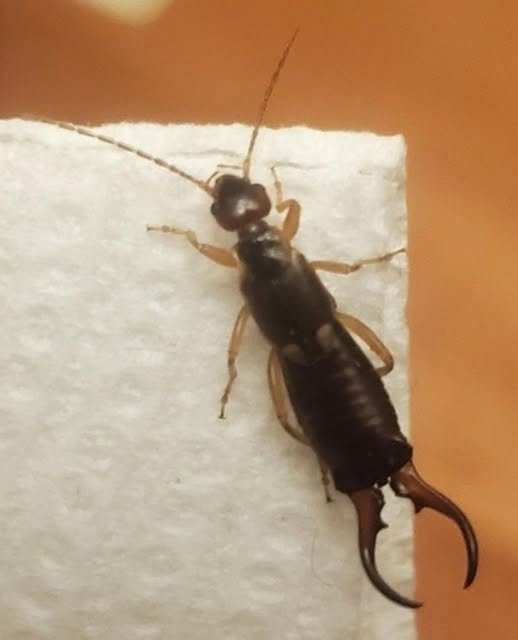
Imagine noticing a tiny insect with a long, narrow body and a pair of curved pincers at the end of its abdomen. At first glance, it might seem unusual or even intimidating, especially if you’ve never seen one before.
That is exactly what happened when a photo of an unfamiliar insect began circulating among family members. Its appearance quickly sparked concern, with many wondering whether it posed a danger to people or pets.
As more people examined the image, however, experts and nature enthusiasts recognized the insect as an earwig—a common species that has lived alongside humans for centuries. What initially seemed mysterious turned out to be a familiar backyard visitor that is often misunderstood.
What Is an Earwig?
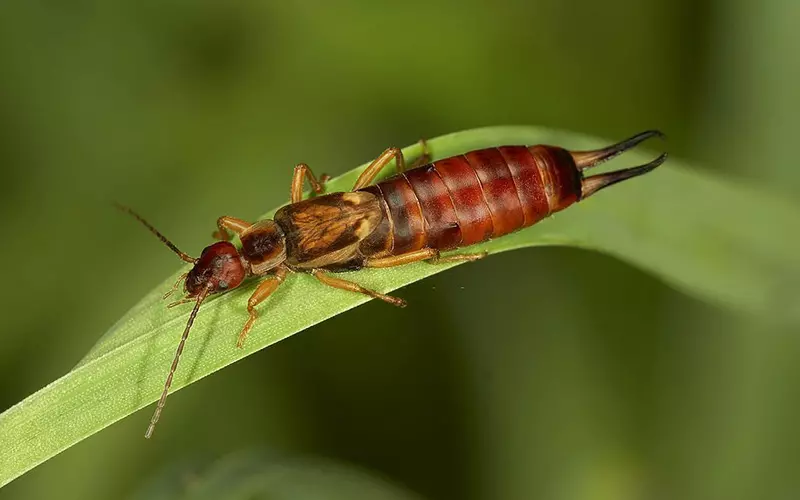
Earwig is the common name for insects belonging to the order Dermaptera.
There are more than 2,000 earwig species worldwide, living in a wide variety of environments. While they may look unusual because of the forceps-like appendages at the end of their bodies, they are generally shy insects that prefer to avoid human contact.
Most earwigs are active at night and spend the daytime hidden beneath rocks, logs, mulch, flowerpots, or damp leaves.
Because they remain out of sight for much of the day, many people are surprised when they encounter one for the first time.
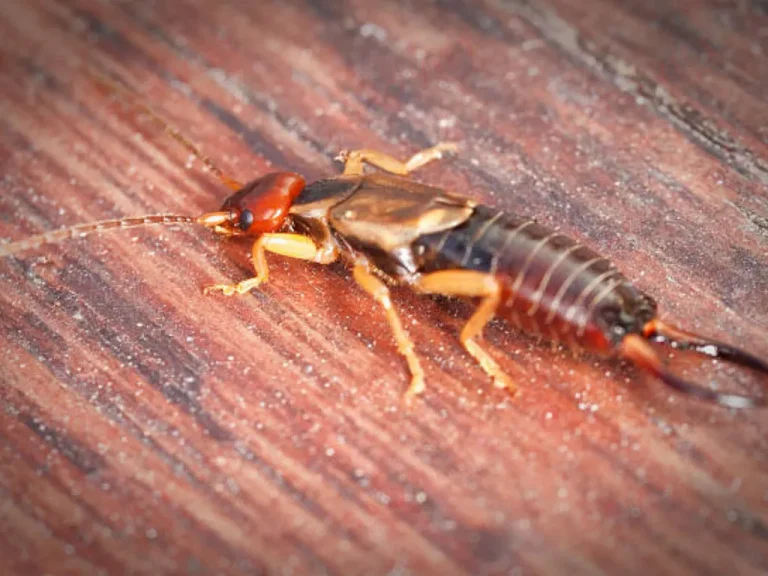
Why Do Earwigs Have Pincers?
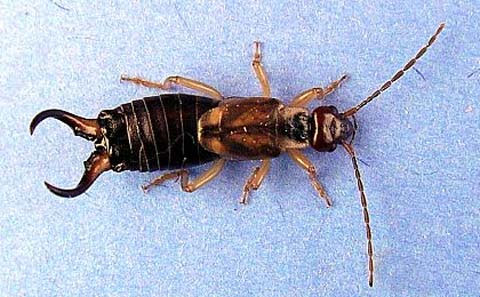
The most recognizable feature of an earwig is the pair of curved pincers, known scientifically as cerci.
Although these appendages may appear intimidating, they serve several natural purposes.
Scientists have observed earwigs using their pincers to:
- Protect themselves from predators
- Hold prey or food
- Fold and unfold their delicate wings
- Interact with other earwigs during mating or territorial displays
The pincers are an important adaptation for survival rather than a sign that the insect is especially dangerous.
Are Earwigs Dangerous?
For most people, the answer is no.
Earwigs are not considered dangerous household pests.
They do not transmit diseases to humans, and they are not known for aggressive behavior.
If disturbed, an earwig may raise its pincers in a defensive posture. In rare situations, it may gently pinch if handled directly, but these encounters are generally minor and intended as self-defense rather than aggression.
Their intimidating appearance often creates a stronger impression than their actual behavior.
The Myth About Earwigs Crawling Into Ears
One of the oldest stories surrounding earwigs is the belief that they crawl into people’s ears while they sleep.
Despite the insect’s name, there is no scientific evidence that earwigs routinely seek out human ears.
Historians believe the name may have originated from old European folklore rather than observed behavior.
Today, entomologists regard the story as a long-standing myth.
Like many insects, earwigs simply seek dark, moist places for shelter, but they do not have a special attraction to human ears.

Where Are Earwigs Commonly Found?
Earwigs thrive in cool, damp environments.
You may find them beneath:
- Garden mulch
- Flowerpots
- Stones
- Firewood
- Leaf piles
- Damp cardboard
- Outdoor furniture
Occasionally, they may wander indoors through small openings, especially during periods of heavy rain or changes in weather.
Once inside, they usually continue searching for moisture rather than interacting with people.
What Do Earwigs Eat?
Earwigs have a varied diet.
Depending on the species and available food sources, they may consume:
- Decaying plant material
- Leaves
- Flowers
- Fruits
- Small insects
- Aphids
- Organic debris
Because they feed on certain garden pests, earwigs can sometimes provide modest ecological benefits.
However, when populations become large, they may also nibble on seedlings, vegetables, or ornamental plants.
Why Do People Often Misunderstand Earwigs?
Humans naturally respond to unfamiliar appearances.
Psychologists have found that people often judge potential risks quickly based on visual characteristics.
Several features contribute to earwigs’ intimidating reputation:
- Curved pincers
- Dark coloring
- Quick movements
- Hidden lifestyle
- Unfamiliar body shape
In reality, these characteristics are simply evolutionary adaptations rather than indicators of danger.
Learning more about common insects often reduces unnecessary concern.
Scientific Perspectives on Earwig Behavior
Entomologists describe earwigs as generally solitary insects that avoid unnecessary confrontation.
Their behavior focuses primarily on:
- Finding food
- Seeking shelter
- Reproducing
- Avoiding predators
When threatened, their first response is usually to retreat rather than remain exposed.
The defensive use of their pincers is considered a last resort.
Scientists continue studying earwigs because of their interesting social behaviors, including parental care in some species—a relatively uncommon trait among insects.
How to Reduce Earwigs Around the Home
Although earwigs are generally harmless, some homeowners prefer to reduce their numbers.
Simple prevention measures include:
Reduce excess moisture
Repair leaks and improve drainage around the home.
Remove outdoor hiding places
Clear away piles of leaves, wood, or other damp materials near the foundation.
Seal entry points
Inspect doors, windows, and foundation cracks where insects might enter.
Keep gardens tidy
Regular maintenance helps reduce damp hiding spots.
These steps can help discourage earwigs without harming beneficial wildlife.
Nature’s Role in the Ecosystem
Like many insects, earwigs play a role in maintaining healthy ecosystems.
They contribute by:
- Recycling organic matter
- Serving as food for birds and other wildlife
- Helping regulate certain insect populations
Although they may occasionally become garden nuisances, they are also part of the natural balance within many environments.
Understanding this ecological role helps place their presence into a broader perspective.
Why Appearance Can Be Misleading
The story of the earwig illustrates an important lesson about nature.
Many animals and insects possess physical features that appear intimidating but serve practical survival purposes.
Curved pincers, bright colors, unusual shapes, or rapid movement often function as protective adaptations rather than indicators of danger.
By learning more about familiar wildlife, people can replace uncertainty with understanding.
Conclusion
What began as concern over a strange-looking insect ultimately became an opportunity to learn more about one of nature’s most misunderstood creatures. Earwigs may look intimidating because of their distinctive pincers, but scientific research shows they are generally harmless insects that prefer avoiding human interaction whenever possible.
Stories like this remind us that curiosity often leads to greater understanding. Rather than judging wildlife solely by appearance, taking time to explore reliable scientific information allows us to appreciate the remarkable diversity of the natural world while replacing fear with knowledge.
Sources
- DM News Feed – The Tiny Creature That Caused Big Fear
- Smithsonian Institution – Insect education resources
- University of California Integrated Pest Management Program – Earwig identification and management
- National Geographic Society – Insect behavior and biodiversity
- Entomological Society of America – Educational resources on insect biology