


The 1960s transformed popular music, introducing unforgettable harmonies, groundbreaking recording techniques, and artists whose songs continue to inspire generations. Among those influential voices was Nedra Talley-Ross, a founding member of The Ronettes, whose harmonies helped shape one of the most recognizable sounds in music history.
Following reports of her passing at the age of 80, fans have reflected not only on her musical achievements but also on the remarkable life she chose after stepping away from the spotlight. While many performers remained closely connected to fame, Talley-Ross embraced a quieter path, reminding audiences that success can be measured in many different ways.
Who Was Nedra Talley-Ross?
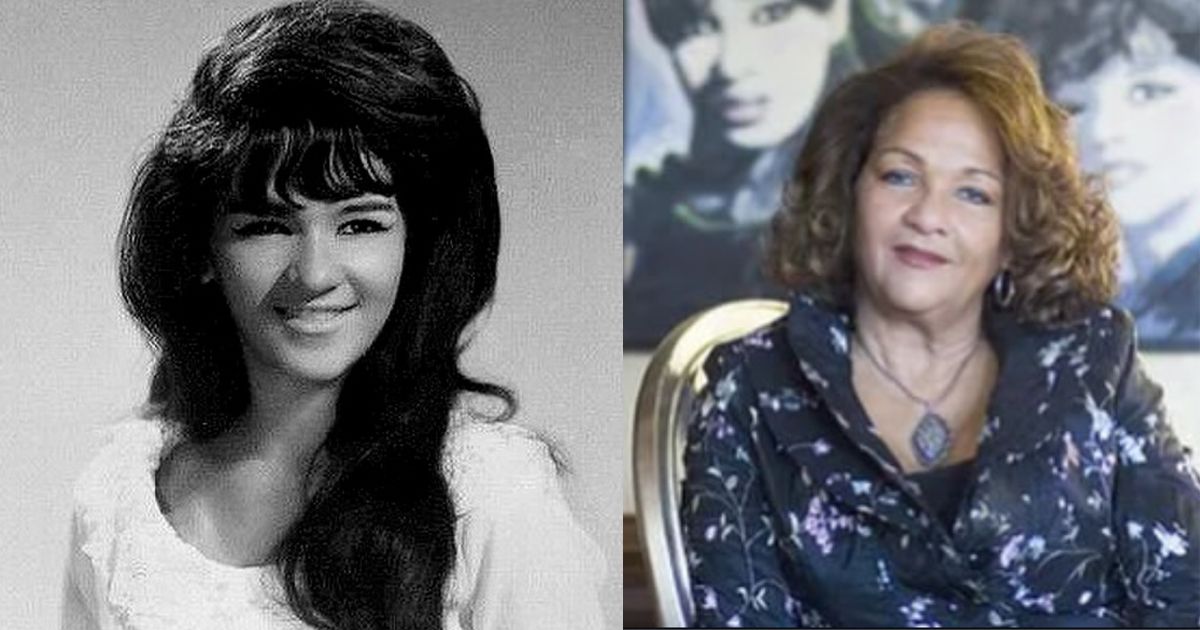
Nedra Talley-Ross was best known as one of the founding members of The Ronettes, alongside her cousins Ronnie Spector and Estelle Bennett.
Growing up in New York City, the trio blended pop, rhythm and blues, and rock influences to create a distinctive vocal style that became synonymous with the early 1960s.
Although Ronnie Spector often performed the lead vocals, Talley-Ross’s harmonies were an essential part of the group’s signature sound.

The Rise of The Ronettes
The Ronettes emerged during one of the most influential periods in modern music.
Known for their polished performances and memorable songs, the group gained international recognition through recordings such as:
- “Be My Baby”
- “Baby, I Love You”
- “Walking in the Rain”
These recordings became enduring classics that continue to receive airplay and influence musicians today.
The group’s combination of expressive vocals, memorable melodies, and innovative production helped establish them as one of the defining girl groups of the decade.
The “Wall of Sound”
Much of The Ronettes’ music was produced by Phil Spector, who became known for developing the recording approach often called the Wall of Sound.
This production style layered multiple instruments and vocal performances to create rich, powerful recordings.
Talley-Ross’s consistent harmonies contributed significantly to this distinctive musical texture, providing depth and balance alongside the lead vocals.
Music historians continue to recognize these recordings as milestones in popular music production.
Choosing a Different Path
Unlike many entertainers who pursued decades-long public careers, Talley-Ross gradually stepped away from the music industry.
Rather than seeking continued publicity, she reportedly focused on:
- Family life
- Personal interests
- Community
- Faith
- A more private lifestyle
Her decision demonstrated that fulfillment can be found beyond public recognition.
Many admirers have viewed her choice as an example of staying true to personal priorities rather than external expectations.

A Life Beyond the Spotlight
Talley-Ross reportedly settled in Virginia, where she enjoyed a quieter life away from the entertainment industry’s constant attention.
Although she maintained a lower public profile, her recordings continued reaching new audiences through radio, streaming platforms, documentaries, and classic music collections.
Her absence from celebrity culture did not diminish her contribution to music history.
Instead, it highlighted how lasting artistic influence often extends far beyond regular public appearances.
Recognition of a Lasting Legacy
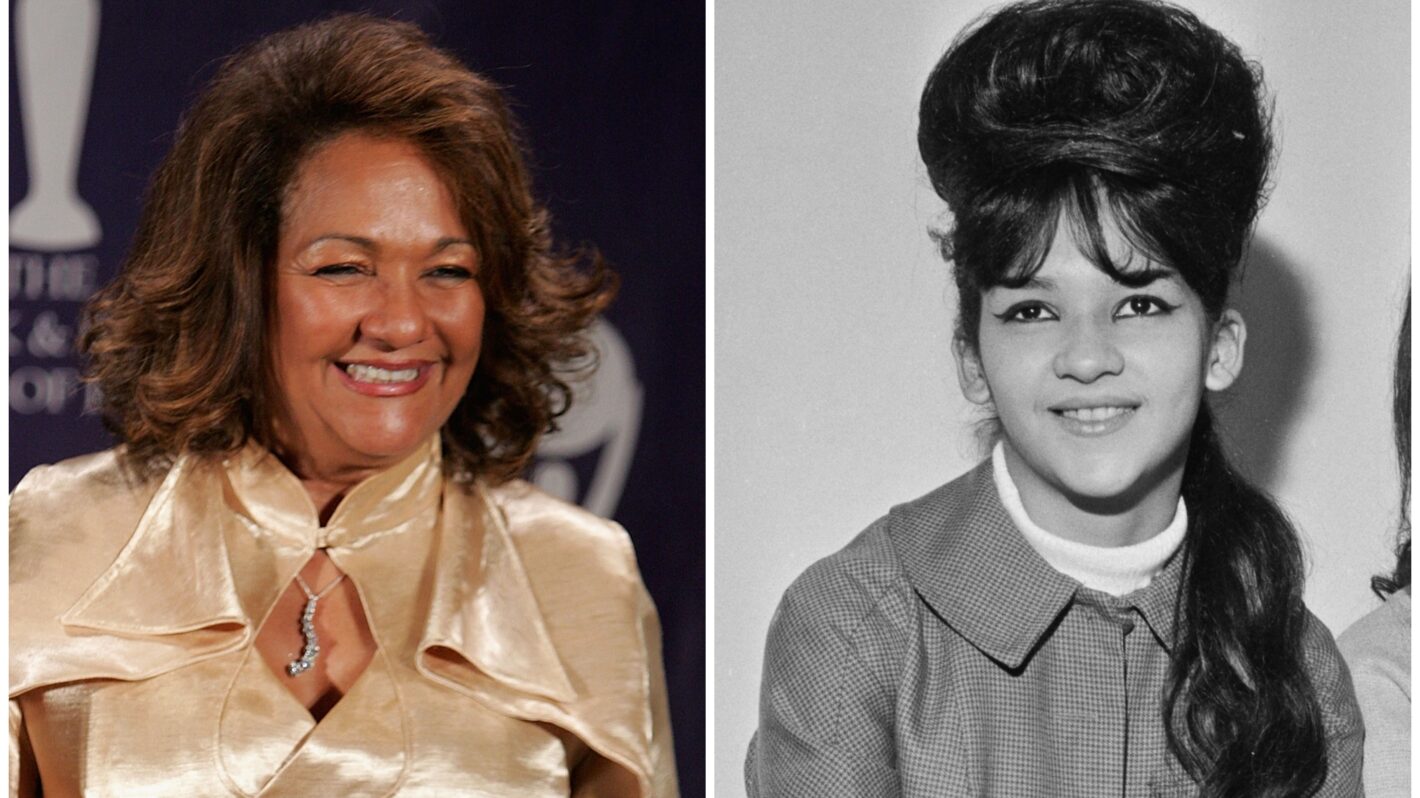
In 2007, The Ronettes were inducted into the Rock and Roll Hall of Fame.
The recognition celebrated the group’s lasting impact on rock and pop music.
Talley-Ross participated in the induction ceremony, joining fellow members in acknowledging the band’s contributions to popular culture.
For longtime fans, the honor confirmed what had long been evident: The Ronettes’ music had earned a permanent place in music history.
Why Their Music Still Matters
More than six decades after their greatest recordings, The Ronettes continue to influence artists across multiple genres.
Their work has inspired musicians in:
- Pop
- Rock
- Soul
- Rhythm and blues
- Alternative music
Modern producers and performers frequently cite the group’s recordings as examples of timeless songwriting and vocal harmony.
Their influence demonstrates how exceptional music can transcend generations.
Privacy in an Age of Constant Attention
One aspect of Talley-Ross’s life that many admirers respected was her commitment to privacy.
At a time when public figures often share every aspect of their lives, she maintained clear personal boundaries.
Her approach reflected the idea that meaningful accomplishments do not require continuous public visibility.
Instead, she allowed her artistic work to remain the focus.
Remembering Her Contributions
Fans and music historians continue to recognize Talley-Ross for several important contributions.
Exceptional vocal harmony
Her harmonies helped define The Ronettes’ unmistakable sound.
Musical innovation
She participated in recordings that influenced generations of musicians.
Professional dedication
Her consistency and musicianship supported one of the era’s most successful vocal groups.
Personal authenticity
Her decision to prioritize private life demonstrated confidence in defining success on her own terms.
These qualities continue to shape how audiences remember her legacy.
Lessons From Her Life
Talley-Ross’s story offers meaningful lessons beyond music.
Success takes many forms
Professional achievement and personal fulfillment can coexist in different ways.
Lasting influence comes from quality
Thoughtful artistic contributions often outlive temporary fame.
Privacy has value
Choosing a quieter life can be just as meaningful as remaining in the public eye.
Authenticity matters
Remaining true to personal values often leaves the strongest legacy.
These themes continue to resonate with audiences long after an artist’s final performance.
The Enduring Sound of The Ronettes
Today, listeners continue discovering The Ronettes through classic radio stations, streaming services, documentaries, and historical recordings.
Each new generation experiences the same memorable harmonies that helped define an important chapter in music history.
Talley-Ross’s voice remains part of that enduring legacy, reminding listeners of an era when vocal groups transformed the sound of popular music.
Conclusion
Nedra Talley-Ross will be remembered not only for helping create some of the most beloved recordings of the 1960s but also for choosing a life guided by authenticity, balance, and personal conviction. Her contributions to The Ronettes helped shape modern popular music, while her quiet years demonstrated that lasting fulfillment does not always require remaining in the spotlight.
Her story also reflects a broader truth about artistic legacy. Great music continues to inspire long after performances end, connecting generations through shared memories and timeless melodies. Human curiosity often draws us to the lives behind iconic recordings, but it is the enduring power of the music itself that ultimately keeps those voices alive.
Sources
- Story of the Day (Kadimansiklopedi.com) – The Final Note: The Secret Life and Silent Exit of a 1960s Music Legend Who Walked Away From It All!
- Rock and Roll Hall of Fame – History of The Ronettes and Hall of Fame induction
- Grammy Awards – Educational resources on influential artists and music history
- Library of Congress – Historical resources on American popular music
- Smithsonian Institution – Collections and educational materials on American music history