
American presidential politics rarely stands still. One election ends, and conversations about the next one begin almost immediately. Political observers, journalists, party leaders, and voters all start asking familiar questions: Who will run? Which issues will matter most? Can previous candidates make another attempt?
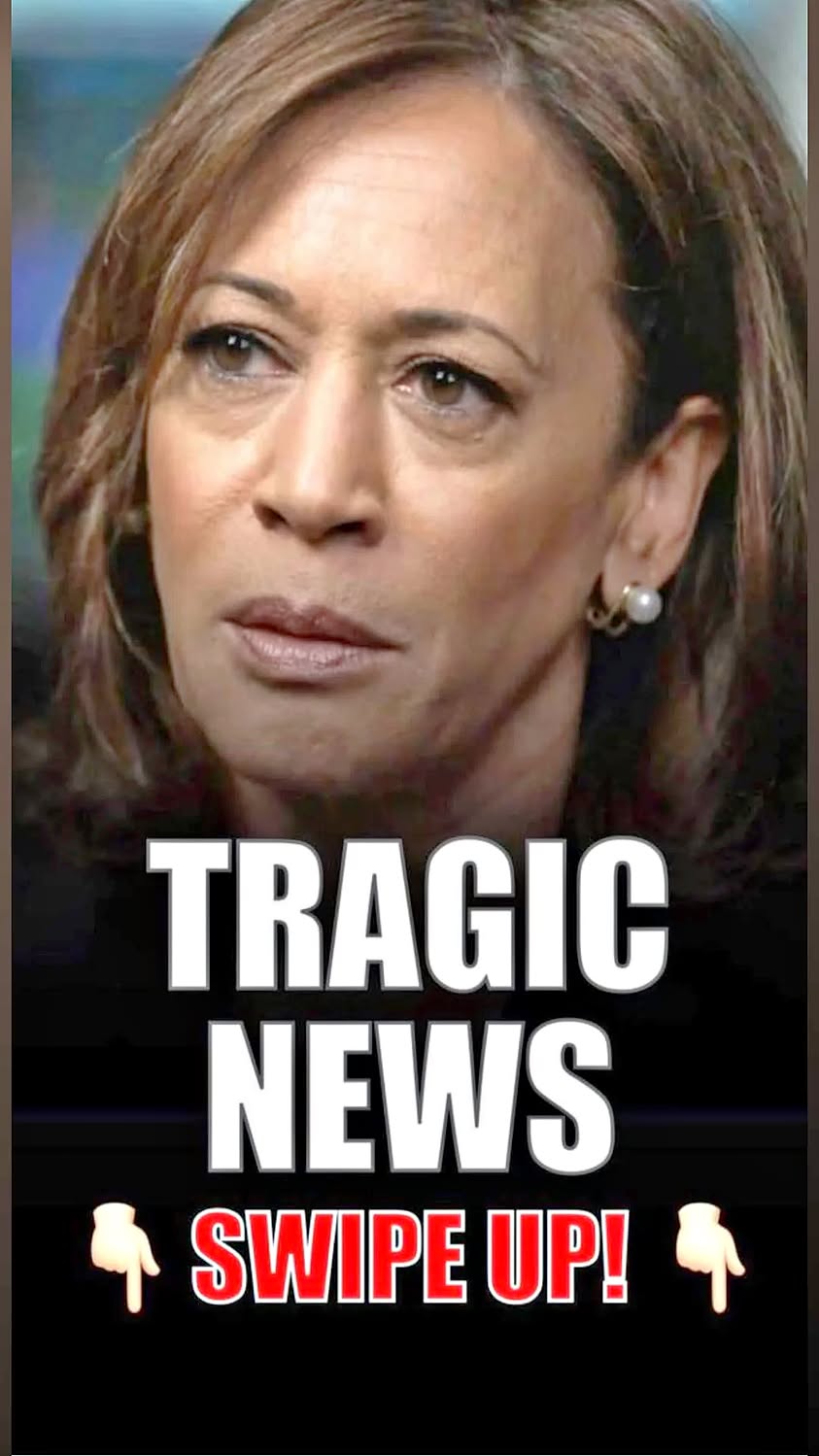
Former Vice President Kamala Harris has once again become part of that conversation. Reports suggest she has been reconnecting with Democratic leaders, meeting with influential figures, and appearing near the top of several early opinion polls. Yet she has not officially announced whether she intends to seek the Democratic nomination for the 2028 presidential election.
As with many early election stories, speculation often moves faster than confirmed decisions. This article explores the reported developments, the opportunities Harris may have, the challenges she could face, and what political history tells us about presidential comeback campaigns.
Who Is Kamala Harris?
Kamala Harris served as the 49th Vice President of the United States after previously representing California in the U.S. Senate and serving as the state’s Attorney General.
Throughout her career, she has focused on issues including criminal justice, voting rights, economic opportunity, healthcare, and reproductive rights. Her election as vice president marked several historic milestones, making her one of the most recognizable political figures in the country.
Because of her national profile, Harris continues to receive significant attention whenever discussions turn toward future presidential elections.

Why Is Harris Being Discussed for 2028?
According to recent political reporting, Harris has spent time reconnecting with influential Democratic figures while also engaging with voters and organizations across the country.
Reports suggest she has:
Participated in public appearances and book-related events.
Met with political leaders, including New York City Mayor Zohran Mamdani.
Held conversations with advocacy groups to better understand current priorities within parts of the Democratic coalition.
Appeared near the top of several early public opinion polls measuring potential Democratic candidates.
These developments have fueled speculation that she may be preparing the groundwork for another presidential campaign, even though she has not formally declared her intentions.
Early Polls Show Strong Name Recognition
One reason Harris continues to attract attention is her performance in early preference polls.
Several surveys have reportedly placed her ahead of other well-known Democratic figures, including California Governor Gavin Newsom, former Transportation Secretary Pete Buttigieg, and Representative Alexandria Ocasio-Cortez.
However, political analysts often emphasize that polls conducted years before an election primarily measure public familiarity rather than predicting final outcomes.
Campaign announcements, debates, economic conditions, policy discussions, and emerging candidates can all reshape the political landscape over time.
For that reason, early polling should be viewed as one indicator rather than a forecast.

Why Supporters Believe Harris Could Be Competitive
Supporters often point to several factors that they believe strengthen Harris’ potential candidacy.
National Experience
Few potential Democratic candidates have served as both a United States Senator and Vice President.
That experience provides familiarity with domestic policy, foreign affairs, and national campaigns.
Established Campaign Organization
Having previously participated in presidential campaigns, Harris already possesses experience with fundraising, national media, and voter outreach.
While every campaign is unique, organizational experience can be valuable when preparing for another race.
Broad Public Recognition
Unlike many potential candidates who must first introduce themselves to voters, Harris already enjoys widespread national recognition.
High visibility can help generate media attention and early fundraising opportunities.
Why Some Democrats Remain Uncertain
Political reporting also suggests that not every Democratic strategist views another Harris campaign as inevitable.
Some observers believe the party is still evaluating its direction following recent elections.
Questions frequently discussed include:
Should Democrats nominate an experienced national figure?
Would voters prefer a new generation of leadership?
Which policy priorities should receive the greatest attention?
How should the party respond to changing voter concerns?
These conversations remain ongoing, making it difficult to predict how the Democratic primary field may eventually develop.
Looking Back at the 2024 Election
According to people reportedly close to Harris, the circumstances surrounding the 2024 presidential race were highly unusual.
Supporters have argued that the campaign faced significant time constraints after President Joe Biden ended his campaign, reportedly leaving Harris with approximately 107 days to organize a national effort.
Some political observers believe that compressed timeline created unique campaign challenges.
Others argue that every presidential election presents unexpected circumstances and that candidates are ultimately evaluated on their overall performance.
These differing interpretations illustrate why discussions surrounding past elections often remain active long after voting concludes.
Political Comebacks Are Not Uncommon
American political history includes numerous examples of candidates who sought the presidency more than once.
Several presidents first experienced unsuccessful campaigns before eventually winning the White House.
Others remained influential party leaders without ultimately securing another nomination.
This history reminds voters that early setbacks do not necessarily determine future political opportunities.
At the same time, each election occurs under unique political, economic, and social conditions.
What Would Harris Need for a Successful Campaign?
If Harris ultimately decides to run, political analysts generally suggest that several factors could influence her campaign.
A Clear Vision
Successful presidential campaigns typically communicate a straightforward message explaining both the candidate’s priorities and why they believe they are best positioned to lead.
Party Unity
Primary elections often involve candidates with differing perspectives.
Building support across various Democratic constituencies would likely be an important part of any campaign strategy.
Voter Engagement
Presidential campaigns increasingly rely on reaching voters through traditional events, digital platforms, community organizations, and grassroots volunteers.
Strong engagement can help candidates build momentum throughout the primary season.
Economic and National Issues
The political environment in 2028 may look very different from today’s.
Economic performance, international developments, healthcare, education, immigration, and other issues could all influence voter priorities.
Challenges Any Candidate May Face
Every presidential candidate enters a campaign with both strengths and challenges.
Potential obstacles for any candidate—including Harris—could include:
Competing against experienced opponents.
Responding to changing public priorities.
Building support across diverse voter groups.
Addressing questions about previous campaigns and policy positions.
Navigating an increasingly fast-moving media environment.
These are common challenges faced by candidates from both major political parties.
Why Early Election Coverage Matters
News organizations often begin covering potential presidential candidates years before an election officially begins.
These early stories help readers understand possible developments while also encouraging public discussion about future leadership.
However, readers should remember that early political reporting frequently focuses on possibilities rather than confirmed decisions.
Until candidates officially announce their campaigns, many reports remain exploratory.
Approaching these stories with curiosity and patience allows readers to stay informed without assuming that every early prediction will become reality.
The Importance of Waiting for Official Announcements
Political campaigns evolve over time.
Potential candidates may decide to run, choose not to run, or make decisions later than expected.
Similarly, additional candidates often enter races that initially appear settled.
Because of this, voters benefit from following official campaign announcements, policy proposals, debates, and verified reporting from multiple reputable news organizations before drawing firm conclusions.

Conclusion
Kamala Harris remains one of the Democratic Party’s most recognizable national figures, making her a natural subject of discussion whenever attention turns toward the 2028 presidential election.
Recent reports suggest she continues to maintain relationships with party leaders and appears prominently in early polling, but she has not announced whether she will seek the presidency again.
Whether she ultimately becomes a candidate will depend on many factors, including her own decision, the broader Democratic field, voter priorities, and the political landscape over the coming years.
For now, the conversation reflects the early stages of a presidential cycle that is still taking shape. As history has shown, American politics often evolves in unexpected ways, reminding us that curiosity should be paired with careful attention to verified information and thoughtful analysis.
Sources
- Newsone – Does Kamala Harris Really Have a Shot in 2028?
- Federal Election Commission (FEC)
- National Archives – Office of the Vice President
- Pew Research Center – U.S. Politics and Public Opinion
- Brookings Institution – Research on American Politics
- Council on Foreign Relations – U.S. Elections and Government