
When a young person’s disappearance makes headlines, it naturally captures public attention. Families seek answers, communities search for clarity, and online discussions often grow rapidly. Unfortunately, in high-profile cases, verified information can quickly become mixed with speculation, making it difficult for readers to distinguish established facts from unconfirmed claims.
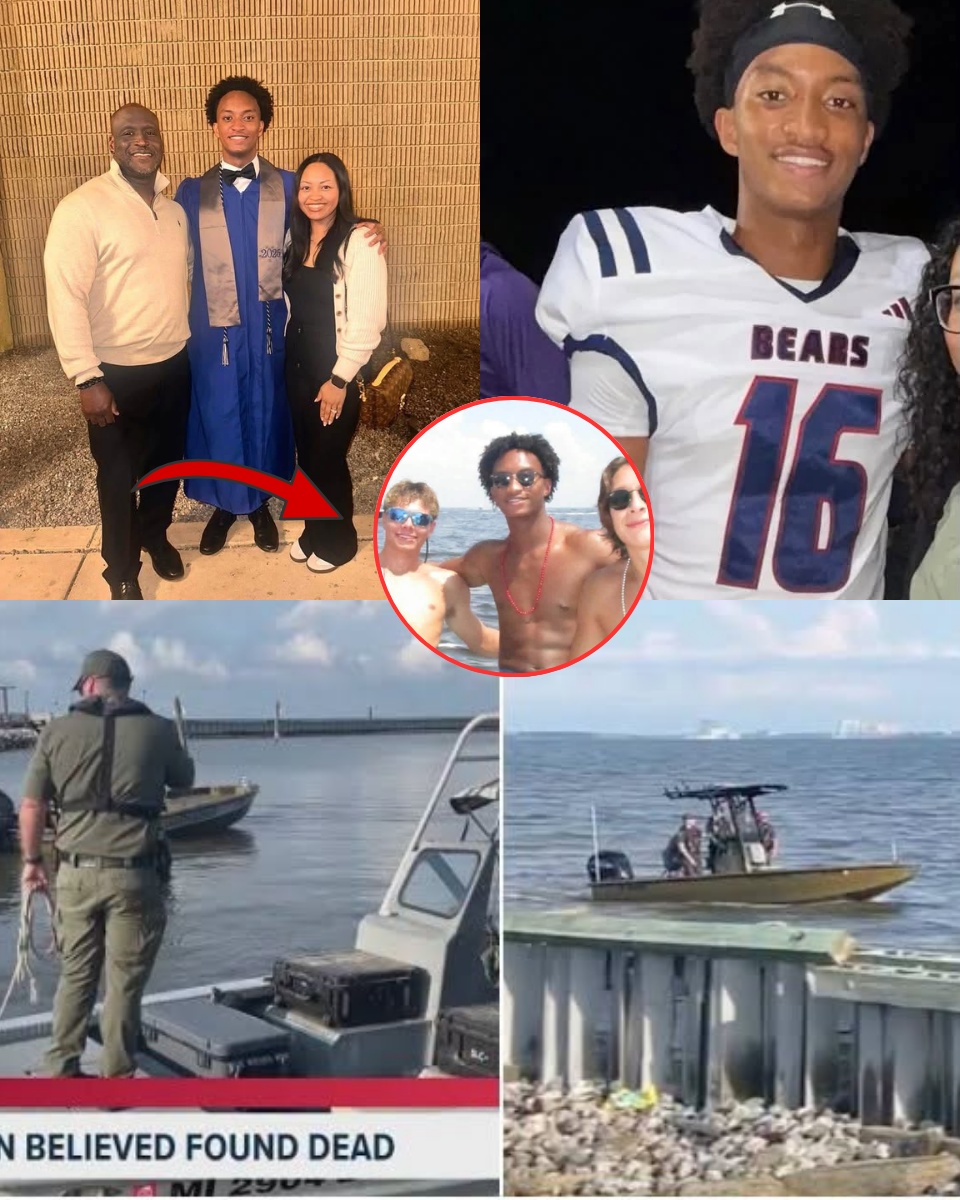
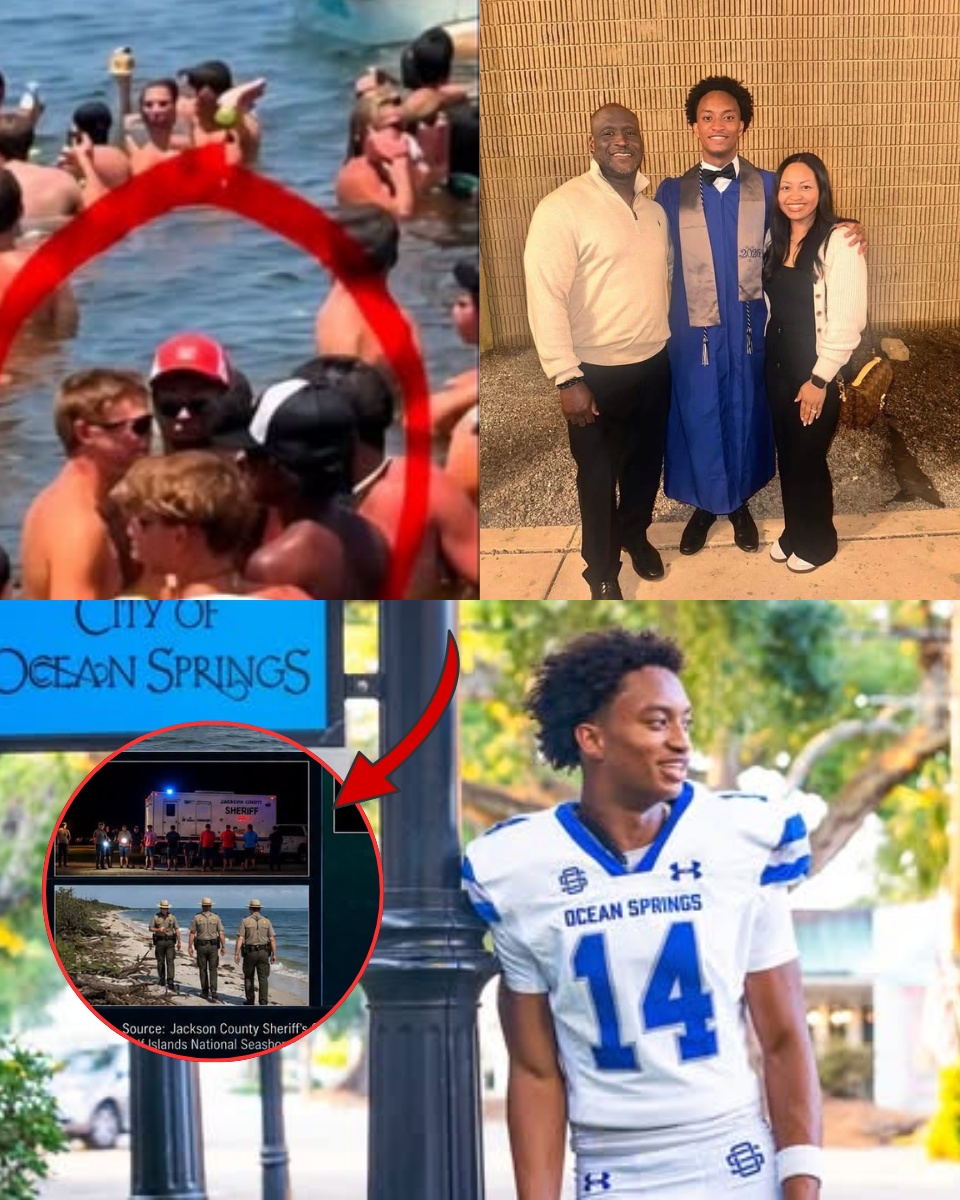
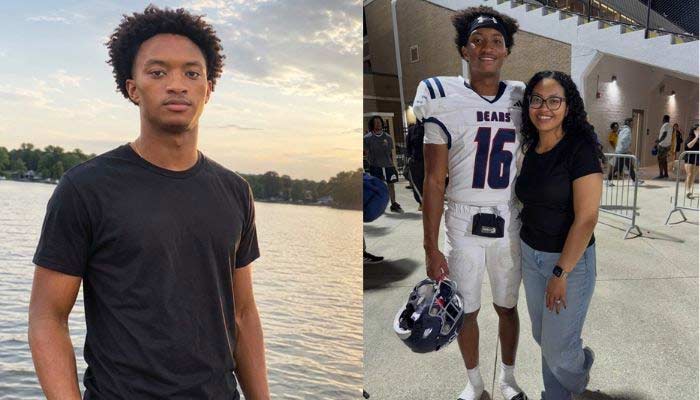
The case of Nolan Wells, an 18-year-old college athlete whose body was reportedly found on Mississippi’s Horn Island after he was initially reported missing, has generated widespread discussion across news websites and social media. Alongside confirmed developments, numerous online articles have raised questions about the investigation while presenting allegations that have not been independently verified.
This article provides a balanced overview of the reported case, explains why investigators sometimes revisit early findings, and explores how complex investigations evolve over time. Rather than drawing conclusions, it emphasizes the importance of relying on verified evidence and official updates.
What Has Been Reported About the Case?
According to published reports, Nolan Wells was part of a group visiting Horn Island, a remote barrier island located off the Mississippi Gulf Coast.
Reports indicate that circumstances surrounding his disappearance led to an extensive search effort involving local authorities and emergency responders.
Following the discovery of his body, investigators began examining the available evidence to determine exactly what happened.
Because investigations involving unexpected deaths often require detailed forensic analysis, many questions remained unanswered during the early stages.
Why Has the Investigation Drawn Public Attention?
Several online articles have highlighted aspects of the case that they argue deserve additional examination.
Among the topics frequently discussed are:
The reported timeline of events.
The condition of the group’s boat.
The location of Nolan’s personal belongings.
Witness accounts.
The sequence of communications before his disappearance.
It is important to recognize that many of these discussions originate from media reports, online commentary, or unnamed sources rather than publicly released investigative findings.
As a result, readers should avoid treating every reported detail as confirmed fact.
Understanding the Challenges of Early Investigations
When investigators first respond to an incident, they often work with incomplete information.
Early conclusions may change as additional evidence becomes available.
Investigations typically involve:
Interviewing witnesses.
Reviewing photographs and videos.
Analyzing digital evidence.
Conducting forensic examinations.
Examining environmental conditions.
Consulting scientific experts when necessary.
Because this process takes time, authorities may revise earlier assessments if new evidence emerges.
This is a normal part of many complex investigations.
Questions Raised in Online Discussions
Numerous online articles have focused on several reported questions.
The Boat
Some reports discuss mechanical problems involving the group’s boat.
However, publicly available reporting has not established whether those reported issues directly affected later events.
Investigators generally examine mechanical evidence carefully before drawing conclusions.
Personal Belongings
Some articles have questioned the reported location of Nolan’s mobile phone.
Personal belongings can become important sources of information during investigations because they may contain communication records, location information, or other digital evidence.
At present, readers should distinguish between verified investigative findings and online speculation regarding these items.
Witness Statements
Witness interviews frequently play an important role in reconstructing timelines.
It is common for investigators to compare multiple accounts with physical and digital evidence before determining the most accurate sequence of events.
Differences between witness recollections do not necessarily indicate wrongdoing, as memories can vary, particularly during stressful situations.

Why Forensic Investigations Take Time
Modern forensic science involves far more than a single examination.
Depending on the circumstances, specialists may analyze:
Medical findings.
Environmental conditions.
Toxicology results.
Digital devices.
DNA evidence.
Physical evidence collected from multiple locations.
Laboratory testing often requires weeks or months to complete.
Because of this, investigators generally avoid relying on only one source of information.
The Role of Independent Experts
Families sometimes request independent medical or legal reviews following unexpected deaths.
This practice is not uncommon.
Independent experts may examine available evidence to provide additional opinions or ensure that all relevant questions receive careful consideration.
Such reviews do not automatically indicate that earlier conclusions were incorrect.
Instead, they often reflect a family’s desire for reassurance and transparency.
The Impact of Social Media
High-profile investigations now unfold alongside constant online discussion.
Social media platforms allow information—and misinformation—to spread quickly.
Readers may encounter:
Edited videos.
Partial documents.
Anonymous claims.
Unverified screenshots.
Speculative timelines.
Without official confirmation, these materials should be interpreted cautiously.
Responsible reporting distinguishes between verified evidence and developing information.
Why Investigations Sometimes Change Direction
Investigative agencies occasionally revisit earlier conclusions.
Possible reasons include:
New witness interviews.
Previously unavailable evidence.
Advances in forensic testing.
Additional digital information.
Expert reviews.
This does not necessarily indicate mistakes.
Rather, it reflects the evolving nature of complex investigations.
The primary objective remains identifying the most accurate explanation supported by available evidence.
Balancing Public Interest and Due Process
Cases involving young people often generate understandable public concern.
Communities naturally seek answers and transparency.
At the same time, investigators must balance public interest with legal responsibilities.
Releasing incomplete information too early can:
Complicate investigations.
Influence witness testimony.
Spread inaccurate information.
Affect future legal proceedings.
For these reasons, authorities sometimes limit public updates until evidence has been carefully reviewed.

Why Critical Thinking Matters
When following developing investigations, readers benefit from asking several important questions:
Has this information been confirmed by investigators?
Is the source identified?
Does more than one reputable organization report the same facts?
Is the article distinguishing evidence from opinion?
These questions help separate reliable reporting from speculation.
Respecting Families During Ongoing Investigations
Unexpected tragedies affect many people beyond those directly involved.
Families, friends, classmates, and communities often experience profound emotional stress while waiting for answers.
Thoughtful reporting should respect both the investigative process and the privacy of those affected.
Avoiding assumptions helps ensure that discussions remain fair and evidence-based.
Conclusion
The Nolan Wells case continues to receive significant public attention because many people hope to understand exactly what occurred during his final hours. While numerous online articles have raised questions about the investigation, many reported claims remain unverified or are based on incomplete information.
As with any ongoing investigation, the most reliable conclusions will ultimately come from carefully examined evidence, forensic analysis, and official findings rather than speculation circulating online.
Cases like this remind us why patience and critical thinking are essential. Public curiosity is entirely understandable, but meaningful answers depend on facts that can be independently verified. By following credible reporting and allowing investigators time to complete their work, readers can stay informed while avoiding conclusions that extend beyond the available evidence.
Sources
- IMSB – Nolan Wells Case: Why the Early Investigation Is Facing Renewed Questions as the Search for Answers Continues
- National Institute of Justice (NIJ) – Forensic Science Resources
- National Center for Missing & Exploited Children (general investigative resources)
- Federal Bureau of Investigation (FBI) – Public Information on Criminal Investigations
- American Academy of Forensic Sciences (AAFS)
Editorial note: Several claims circulating online about this case have not been independently verified through official investigative findings. This article presents them as reported allegations rather than established facts, consistent with responsible reporting practices.