


Our bodies often communicate through subtle changes long before a health condition becomes obvious. A persistent cough, unexplained fatigue, or swelling in the legs may seem unrelated to serious illness, yet these symptoms sometimes prompt doctors to investigate further.
One condition that can be difficult to detect early is pancreatic cancer. Because the pancreas is located deep within the abdomen, early stages of the disease often produce few noticeable symptoms. Many signs are vague and can easily be mistaken for more common conditions.
Recent medical research has shown that, in some cases, unexplained leg swelling may be associated with pancreatic cancer—not because the cancer directly affects the legs, but because it can influence the body’s blood-clotting system or alter normal fluid balance. While swollen legs are far more commonly caused by conditions such as chronic venous insufficiency, heart disease, kidney disease, medication side effects, or injury, understanding when swelling deserves medical attention can be valuable.
This article explores what current scientific evidence says about the connection, why it occurs, and when it is appropriate to seek medical evaluation.
Understanding the Pancreas
The pancreas is a small organ located behind the stomach that performs two essential functions.
First, it produces digestive enzymes that help break down carbohydrates, proteins, and fats.
Second, it releases hormones—including insulin and glucagon—that regulate blood sugar levels.
Because the pancreas is hidden deep inside the abdomen, diseases affecting it often develop quietly before symptoms become noticeable.

Why Pancreatic Cancer Is Difficult to Detect Early
Unlike some cancers that create visible or easily recognized symptoms, pancreatic cancer frequently develops without obvious warning signs.
Early symptoms may include:
Persistent abdominal discomfort
Back pain
Reduced appetite
Unexplained weight loss
Digestive changes
New-onset diabetes in some individuals
Jaundice in certain cases
Many of these symptoms can also result from common, non-cancerous conditions, making diagnosis challenging.
Can Swollen Legs Be Related to Pancreatic Cancer?
The short answer is yes—but only in certain situations.
Medical studies have found that some people with pancreatic cancer develop swelling in one or both legs because the disease may increase the likelihood of blood clot formation or, in advanced cases, affect the body’s protein balance.
Importantly, swollen legs alone do not mean someone has pancreatic cancer.
Most cases of leg swelling have much more common explanations.
However, unexplained swelling—particularly when accompanied by additional concerning symptoms—deserves medical evaluation.
Deep Vein Thrombosis: The Most Important Connection
One of the strongest medical links between pancreatic cancer and leg swelling involves deep vein thrombosis (DVT).
DVT occurs when a blood clot forms in a deep vein, most commonly in the leg.
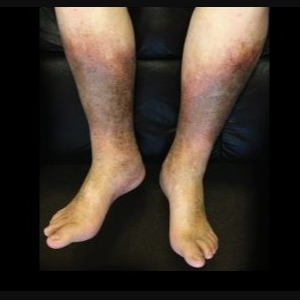
Typical symptoms may include:
Swelling in one leg
Pain or tenderness
Warmth
Skin discoloration
A feeling of heaviness
Sometimes swelling is the only noticeable symptom.
Because DVT can lead to serious complications if untreated, prompt medical evaluation is essential.
Why Some Cancers Increase Blood Clot Risk
Researchers have learned that certain cancers, particularly pancreatic adenocarcinoma, can make the blood more likely to clot.
Tumor cells may release substances that activate the body’s normal clotting mechanisms.
These biological changes can increase the risk of venous thromboembolism, a condition that includes both deep vein thrombosis and pulmonary embolism.
This association has been recognized in medicine for more than a century.
Understanding Trousseau Syndrome
French physician Armand Trousseau first observed that unexplained blood clots sometimes appeared before an underlying cancer was diagnosed.
Today, this phenomenon is known as Trousseau syndrome.
Modern research has shown that several cancers—including pancreatic cancer—may occasionally produce clotting abnormalities before other symptoms become apparent.
Although uncommon, this association helps physicians decide when additional investigation may be appropriate.
Why the Legs Are Commonly Affected
Blood naturally travels more slowly through the deep veins of the legs than in many other parts of the body.
Gravity and prolonged sitting or standing further slow circulation.
When clotting abnormalities occur, these veins become one of the most common locations for clot formation.
This is why one-sided leg swelling may prompt healthcare providers to evaluate for DVT.
Bilateral Swelling: A Different Mechanism
Not all swelling associated with pancreatic disease results from blood clots.
In advanced illness, nutritional changes, inflammation, or reduced blood protein levels may contribute to fluid accumulation in both legs.
One important protein involved is albumin, which helps keep fluid inside blood vessels.
Low albumin levels may allow fluid to move into surrounding tissues, producing gradual swelling in both ankles and lower legs.
However, many non-cancer conditions—including liver disease, kidney disease, and malnutrition—can also reduce albumin levels.
Who Is at Greater Risk?
Several factors increase the likelihood of pancreatic cancer.
These include:
Older age
Smoking
Family history
Chronic pancreatitis
Obesity
Certain inherited genetic conditions
Having one or more risk factors does not mean someone will develop pancreatic cancer, but they may influence a physician’s decision regarding further evaluation.
When Should Leg Swelling Be Evaluated?
Most swelling is not caused by cancer.
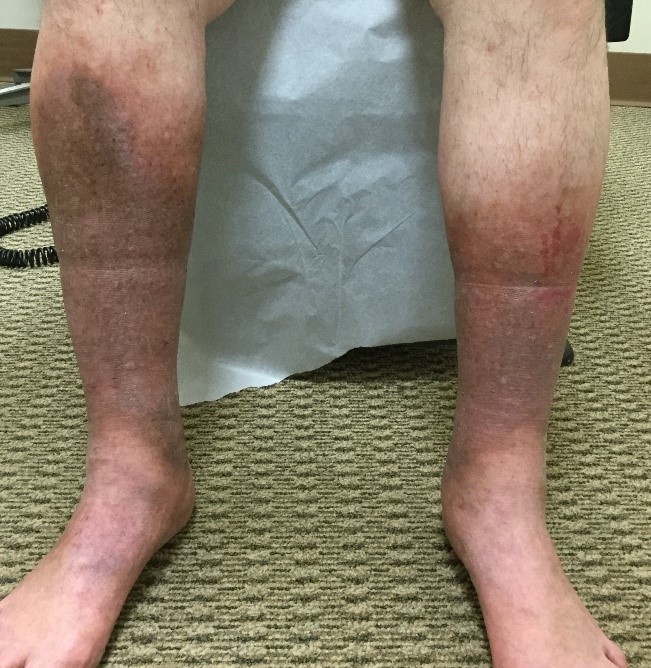
Nevertheless, medical assessment is recommended if swelling:
Appears suddenly
Occurs primarily in one leg
Persists without improvement
Occurs with pain or warmth
Develops alongside unexplained weight loss, jaundice, or persistent abdominal symptoms
Healthcare professionals can determine whether additional testing is appropriate.
How Doctors Investigate Unexplained Swelling
Evaluation usually begins with a medical history and physical examination.
Depending on the situation, physicians may recommend:
Blood tests
Ultrasound of the affected leg
Assessment for deep vein thrombosis
Additional imaging studies if clinically indicated
These tests help identify the underlying cause and guide appropriate treatment.
Treatment Depends on the Cause
Management varies according to the diagnosis.
If DVT is confirmed, treatment commonly includes anticoagulant medications that reduce further clot formation.
When swelling results from other medical conditions, treatment focuses on addressing the underlying cause.
Supportive measures recommended by healthcare providers may include:
Compression stockings
Leg elevation
Regular walking or gentle exercise
Managing underlying medical conditions
Treatment plans should always be individualized by qualified healthcare professionals.
Protecting Your Overall Health
Although no strategy can completely eliminate cancer risk, healthy lifestyle habits contribute to overall well-being.
These include:
Avoiding tobacco products
Maintaining a healthy weight
Regular physical activity
Eating a balanced diet rich in fruits and vegetables
Managing diabetes when present
Attending recommended medical checkups
Prompt evaluation of persistent or unexplained symptoms is also important.
Myth Versus Reality
Online articles sometimes imply that swollen legs are an early warning sign of pancreatic cancer in most people.
Current scientific evidence does not support that conclusion.
Leg swelling is common and is much more frequently caused by non-cancerous conditions.
However, healthcare professionals recognize that unexplained swelling—particularly when associated with blood clots or other concerning symptoms—may occasionally be an important clue requiring further investigation.
The key message is awareness, not alarm.
Conclusion
Swollen legs are usually caused by common medical conditions, but in some situations they can be associated with pancreatic cancer through blood-clot formation or changes in the body’s fluid balance. Understanding this connection helps explain why physicians sometimes investigate persistent or unexplained swelling more carefully.
Medical research continues to improve our understanding of pancreatic cancer and the biological changes it produces. Early evaluation of unusual symptoms allows healthcare professionals to identify many conditions—both common and uncommon—and recommend appropriate treatment.
Human curiosity encourages us to pay attention to our bodies, but evidence-based medicine reminds us that symptoms rarely point to a single diagnosis. When unexplained changes persist, seeking timely medical advice is the most reliable path toward reassurance and appropriate care.
Sources
American Cancer Society. Signs and Symptoms of Pancreatic Cancer.
National Cancer Institute. Pancreatic Cancer Treatment (PDQ®).
Mayo Clinic. Deep Vein Thrombosis (DVT).
Centers for Disease Control and Prevention (CDC). Venous Thromboembolism (Blood Clots).
American Society of Clinical Oncology (ASCO). Resources on cancer-associated blood clots.
National Library of Medicine (PubMed). Research on pancreatic cancer and venous thromboembolism.
Disclaimer: This article is for educational purposes only and is not a substitute for professional medical advice, diagnosis, or treatment. If you experience persistent leg swelling, sudden swelling in one leg, chest pain, shortness of breath, or any concerning symptoms, seek prompt evaluation from a qualified healthcare professional.