

Every parent has experienced a busy day when countless responsibilities compete for attention. Between work, errands, family schedules, and daily routines, life can become overwhelming. Most days end with everyone safely home, but occasionally a heartbreaking event reminds communities why small safety habits matter so much.
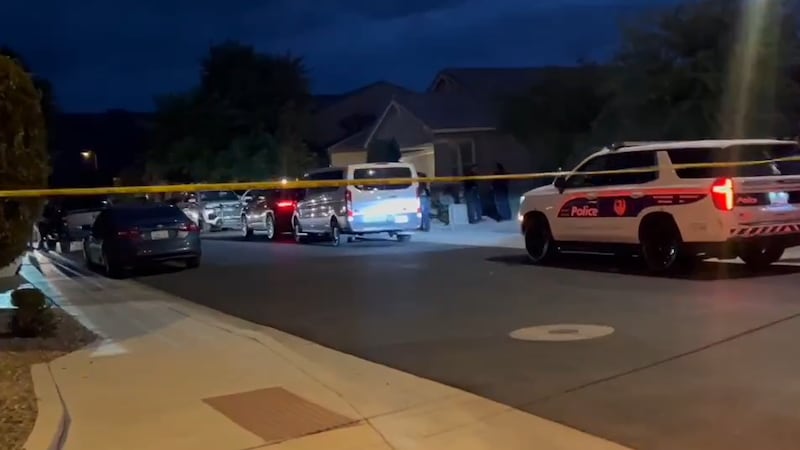
Recently, Phoenix authorities responded to a tragic incident involving a two-year-old child, Marcelino Valdez, who was found inside a parked vehicle. Emergency responders transported him to a hospital, where he later passed away. Officials stated that the investigation remains ongoing, and there were no immediate indications of foul play. The medical examiner will determine the official cause after completing the investigation.
While every family’s situation is unique, incidents like this encourage parents, caregivers, educators, and communities to learn more about vehicle safety and the importance of preventing children from being unintentionally left inside parked cars. Understanding how these situations can happen is one of the most effective ways to reduce future risks.
Understanding the Recent Phoenix Incident
According to Phoenix police, officers responded to a home near Baseline Road and 24th Street after reports that a young child had been discovered inside a parked vehicle. The child was identified as two-year-old Marcelino Valdez.
Authorities indicated that the exact timeline remains under investigation. Officials also noted that investigators did not initially observe obvious signs suggesting criminal activity. The Maricopa County Medical Examiner’s Office is responsible for determining the official cause following its examination.
Because the investigation is still active, it is important to avoid speculation and rely only on confirmed information released by authorities.
Why Vehicles Can Become Dangerous in Warm Weather
Many people are surprised to learn how quickly the temperature inside a parked vehicle can rise.
Scientific studies have shown that even when outdoor temperatures feel comfortable, the inside of a closed vehicle may become significantly warmer within a relatively short period. Sunlight enters through the windows and becomes trapped, creating what is commonly known as the greenhouse effect.
Several factors influence interior temperatures, including:
Outdoor Temperature
Warmer days naturally increase interior temperatures more quickly, but heat buildup can also occur during milder weather.
Sunlight Exposure
Vehicles parked in direct sunlight generally become warmer than those parked in shaded areas, although shade does not eliminate risk entirely.
Vehicle Color and Materials
Dark-colored interiors may absorb additional heat, making seats, dashboards, and steering wheels especially warm.
Window Position
Partially opened windows may provide only minimal cooling and should never be considered a reliable safety measure.
Research consistently shows that the safest approach is ensuring children are never left alone inside parked vehicles, regardless of weather conditions.
Why These Situations Can Be More Complex Than People Imagine
When people hear about incidents involving children and parked vehicles, they often wonder how such situations could occur.
Safety experts emphasize that these events can involve multiple contributing factors rather than simple carelessness. Human memory is not perfect, particularly during periods of stress, fatigue, schedule changes, or unexpected interruptions.
Researchers studying human cognition have found that routines strongly influence behavior. If a person’s normal daily schedule changes unexpectedly, the brain may continue operating on its familiar routine while overlooking a planned stop.
Understanding this psychological aspect is important because it shifts the conversation toward prevention instead of judgment.
Common Risk Factors Identified by Safety Experts
Organizations focused on child safety have identified several circumstances that may increase risk.
Changes in Daily Routine
A caregiver taking a different route than usual or handling an unfamiliar responsibility may experience increased distraction.
Fatigue
Lack of sleep can affect concentration, memory, and decision-making.
Busy Schedules
Managing multiple appointments, errands, or work responsibilities can increase mental workload.
Quiet Sleeping Children
Young children often fall asleep during car rides, making it easier for caregivers to mistakenly believe they have already been dropped off when routines differ.
Recognizing these factors helps families develop practical safeguards.
Practical Ways Families Can Improve Vehicle Safety
Creating consistent habits can significantly reduce the chance of accidental situations.
Always Check the Back Seat
Before locking a vehicle, make it a routine to open the rear door and visually confirm that everyone has exited.
Many parents find it helpful to say a simple phrase each time they park, such as, “Back seat checked.”
Place Important Items in the Rear Seat
Some caregivers place their phone, work badge, handbag, lunch, or another essential item beside the child’s car seat.
Since these belongings are needed immediately after parking, they create an additional reminder to check the back seat.
Use Reminder Technology
Many newer vehicles include rear-seat reminder systems that alert drivers to check the back seat before leaving.
Some child safety seats and smartphone applications also provide reminder features.
While technology is helpful, experts recommend combining it with consistent personal habits.
Communicate with Childcare Providers
Parents and childcare centers can establish a routine where caregivers receive a call or message if a child expected that day has not arrived.
This additional layer of communication has helped many families avoid potentially dangerous situations.
Lock Parked Vehicles
Children are naturally curious.
Keeping parked vehicles locked and storing keys out of children’s reach helps prevent children from entering vehicles during play.
The Role of Communities
Preventing vehicle-related heat incidents is not solely the responsibility of parents.
Neighbors, relatives, childcare providers, schools, healthcare professionals, and local organizations all contribute to community awareness.
Simple educational campaigns, reminders during warmer months, and conversations about safety can encourage preventive habits without placing blame.
Communities become stronger when they focus on supporting families through education and awareness.
Public Awareness Has Increased in Recent Years
Over the past decade, child safety organizations have expanded public education efforts regarding vehicle safety.
Many campaigns encourage memorable reminders such as:
“Look before you lock.”
These campaigns appear during warmer seasons because increased awareness helps reinforce safe routines before emergencies occur.
Hospitals, pediatricians, automobile manufacturers, and transportation safety organizations continue exploring new technologies and educational strategies that make prevention even easier.
How Science Supports Prevention
Behavioral scientists explain that humans depend heavily on automatic routines.
When familiar patterns are interrupted, memory lapses can occur despite good intentions.
Rather than assuming these situations result from a lack of care, researchers recommend building systems that make safe behavior automatic.
Examples include:
- Digital reminders
- Visual cues
- Childcare confirmation calls
- Vehicle reminder systems
- Consistent parking routines
These approaches align with decades of research showing that layered safety systems are generally more effective than relying on memory alone.
What Parents Can Teach Older Children
Although toddlers require adult supervision, older children can also participate in family safety habits.
Parents may encourage children to:
- Never play inside parked vehicles.
- Tell an adult immediately if they see another child alone in a vehicle.
- Learn basic vehicle safety rules appropriate for their age.
- Understand that cars are for transportation, not play.
These conversations should be calm, age-appropriate, and focused on safety rather than fear.
A Reminder for Every Caregiver
Parents are not the only caregivers transporting children.
Grandparents, relatives, babysitters, family friends, and childcare providers may occasionally drive young passengers.
Whenever caregiving responsibilities change, it is helpful to communicate clearly about pickup schedules and arrival confirmations.
Simple communication can add another valuable layer of protection.
Learning Through Awareness
The Phoenix investigation remains ongoing, and authorities continue gathering information regarding the circumstances surrounding Marcelino Valdez’s case.
While official findings may take time, one lesson already resonates with families everywhere: developing reliable safety routines can help protect children during everyday travel.
Awareness campaigns are most effective when they encourage learning instead of assigning blame. Every reminder, every conversation, and every new safety habit contributes to a culture that prioritizes children’s well-being.

Conclusion
Stories involving young children naturally touch the hearts of families everywhere. Although each situation has unique circumstances, they also provide opportunities to strengthen public awareness and encourage practical safety habits.
Science reminds us that human memory is not perfect, especially during busy or stressful days. Fortunately, small routines such as checking the back seat, using reminder systems, communicating with childcare providers, and locking parked vehicles can make a meaningful difference.
As investigations continue and communities seek answers, the greatest takeaway is the importance of education, compassion, and prevention. Human curiosity often begins with asking how something happened, but its greatest value lies in discovering ways to build safer habits for the future. By learning together and supporting one another, families and communities can continue creating environments where children are protected every day.
Sources
- FOX19 / KPHO (Gray Media). “2-year-old boy dies after being left inside parked car, police say.”
- National Highway Traffic Safety Administration (NHTSA). Heatstroke Prevention for Children.
- American Academy of Pediatrics (AAP). Car Safety Seats and Heat Safety Guidance.
- Safe Kids Worldwide. Preventing Hot Car Incidents.
- Centers for Disease Control and Prevention (CDC). Child Passenger Safety Resources.