

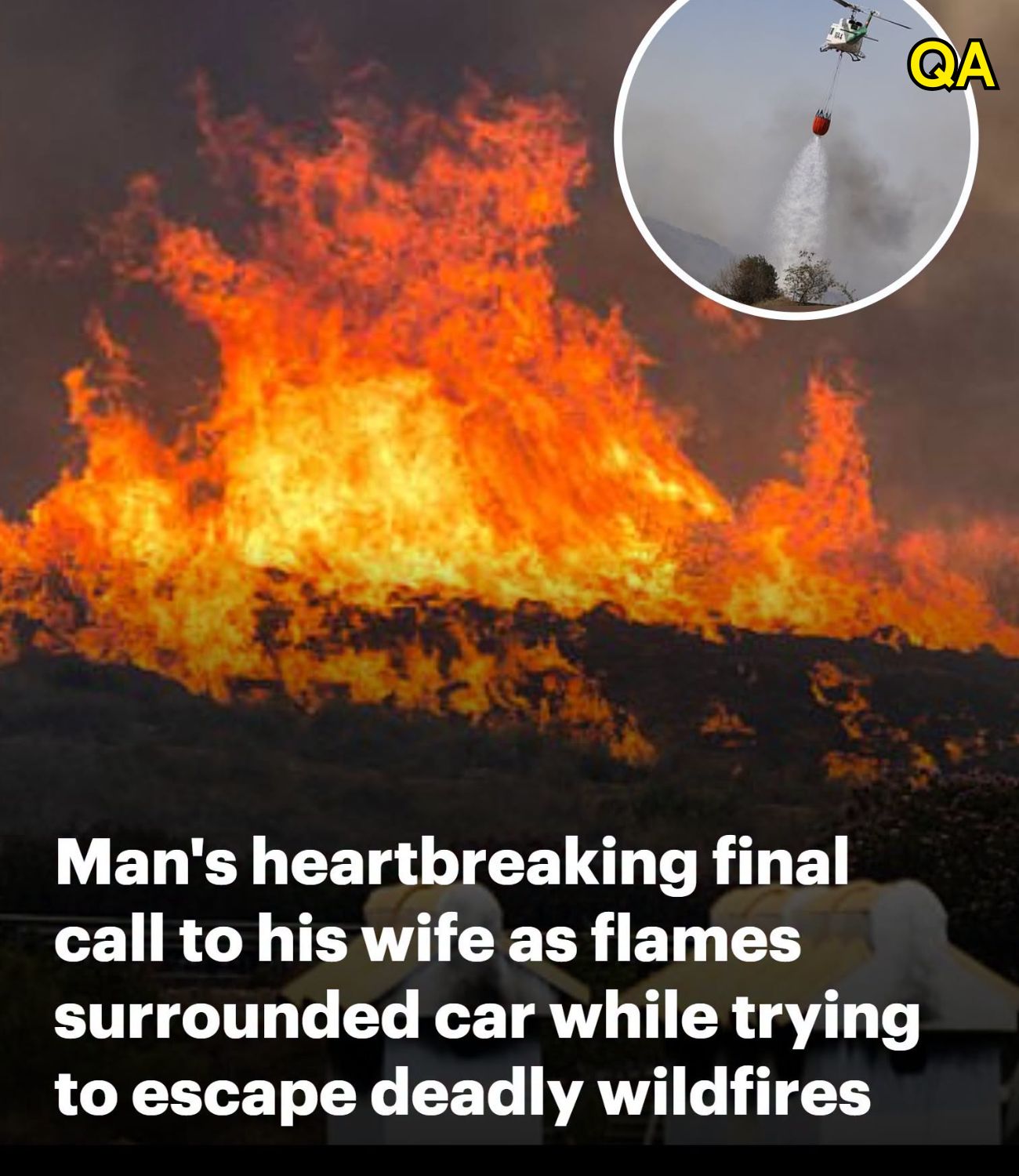
Summer in southern Spain is often associated with sunshine, picturesque villages, and peaceful mountain landscapes. Residents and visitors alike enjoy the region’s warm climate and natural beauty. Yet, during periods of extreme heat and dry conditions, these same landscapes can become vulnerable to fast-moving wildfires.
Over the weekend, communities in Spain’s Almería province experienced one of the country’s most devastating wildfire emergencies in recent years. Families were forced to leave their homes, emergency crews worked tirelessly to contain the flames, and authorities launched extensive rescue and recovery operations.
Among the many stories emerging from the disaster was that of a British man who reportedly remained in contact with his wife by phone while attempting to escape the advancing fire. His story has become a poignant reminder of the unpredictable nature of large wildfires and the importance of following emergency guidance whenever possible.
As investigations continue, officials are working to understand exactly what happened while also focusing on supporting affected communities and preventing similar tragedies in the future.
What Happened During the Spain Wildfire?
A major wildfire swept through parts of Almería Province in the Andalusia region of southern Spain after rapidly spreading through dry vegetation under challenging weather conditions.
According to Spanish authorities, the wildfire affected thousands of hectares of land, damaged homes and infrastructure, and prompted the evacuation of hundreds of residents. Emergency services, firefighters, police officers, and volunteers responded throughout the event as they worked to protect communities and contain the blaze.
Authorities have confirmed that at least twelve people lost their lives during the emergency, while search operations continued for individuals who had not yet been located at the time of reporting. Officials have emphasized that investigations remain ongoing, and identification procedures are continuing with assistance from families and forensic experts.

Reports of a British Victim
According to media reports, Penelope Howe, a resident living near Bédar, shared that a friend’s husband remained on the telephone with his wife while attempting to leave the affected area.
She explained that he had stopped during the evacuation and was reportedly trapped inside his vehicle as conditions rapidly deteriorated. The final moments described by the family have deeply moved many readers, although authorities have not publicly released official details regarding individual victims.
As with many unfolding disasters, investigators continue working to establish verified timelines and circumstances.
Questions About Emergency Instructions
One of the central discussions following the wildfire concerns the emergency guidance provided to residents.
Spanish officials have stated that emergency personnel contacted residents through door-to-door visits and telephone calls, advising people either to evacuate safely or remain sheltered depending on local conditions.
However, some family members of victims have publicly questioned whether adequate warnings reached everyone in time.
For example, the son of a Belgian resident who was among those affected told reporters that, based on conversations with neighbors, they did not receive clear evacuation instructions before conditions worsened.
Authorities have not yet responded publicly to every individual account, and the situation remains part of broader reviews taking place after the wildfire.
Because investigations are still underway, it is important to recognize that multiple perspectives have been reported while official findings continue to develop.
Why Wildfires Can Spread So Quickly
Wildfires are influenced by a combination of environmental conditions that can change rapidly.
Dry Vegetation
During prolonged periods without significant rainfall, grasses, shrubs, and forests become increasingly dry, allowing fires to spread more easily.
Strong Winds
Wind is often one of the most significant factors affecting wildfire behavior.
Strong gusts can carry embers over long distances, creating new fires well ahead of the main blaze.

Mountain Terrain
Hilly landscapes may accelerate fire movement because heat naturally rises uphill, allowing flames to spread more rapidly across slopes.
High Temperatures
Heat dries vegetation further and increases the likelihood that fires will continue burning intensely.
Scientists explain that when these conditions occur together, wildfire behavior may change very quickly, making emergency response especially challenging.
The Importance of Following Official Guidance
Emergency officials often face difficult decisions during wildfires because conditions vary from one neighborhood to another.
Sometimes evacuation is the safest option.
In other situations, remaining inside a well-prepared building may provide greater protection if roads are already threatened by advancing flames.
For this reason, emergency agencies encourage residents to follow official instructions specific to their location rather than relying solely on general assumptions.
Guidance may change as weather conditions evolve, making timely communication especially important.
How Emergency Services Respond
Large wildfire emergencies involve multiple agencies working together.
These commonly include:
- Firefighters
- Police
- Emergency medical teams
- Civil protection authorities
- Local government officials
- Weather specialists
Modern wildfire management also relies on helicopters, water-dropping aircraft, satellite imagery, drones, weather forecasting, and mapping technology to monitor fire movement and support decision-making.
Even with advanced equipment, rapidly changing weather can present significant operational challenges.
Supporting Communities After a Wildfire
Recovery continues long after flames are brought under control.
Communities often focus on:
- Reopening roads
- Restoring electricity and communications
- Assessing damaged buildings
- Supporting displaced families
- Providing temporary accommodation
- Restoring natural landscapes
Environmental experts also evaluate impacts on forests, wildlife habitats, and water resources to guide long-term restoration efforts.
Lessons Families Can Learn
Although most people will never experience a major wildfire firsthand, emergency preparedness remains valuable.
Experts recommend several practical steps.
Stay Informed
Monitor trusted local authorities and emergency alerts during periods of elevated wildfire risk.
Prepare an Emergency Plan
Families benefit from discussing evacuation routes, meeting locations, and communication plans before emergencies occur.
Keep Essential Items Ready
A small emergency kit containing identification, medications, chargers, water, flashlights, and important documents can help if rapid evacuation becomes necessary.
Know Local Guidance
Different communities may have unique evacuation procedures depending on geography and available infrastructure.
Understanding these plans in advance can reduce confusion during emergencies.

Climate and Wildfire Trends
Scientists continue studying how changing weather patterns influence wildfire seasons worldwide.
While individual wildfires cannot automatically be attributed to any single factor, research suggests that prolonged heat, drought conditions, and changing climate patterns may increase wildfire risk in some regions.
Experts emphasize that land management, vegetation conditions, local weather, and human activity all contribute to wildfire behavior.
Ongoing research helps governments improve prevention strategies and emergency preparedness.
Hope After the Fire
Despite the destruction, encouraging developments have emerged.
Regional officials announced that firefighters had stabilized the wildfire after several difficult days of continuous operations.
As conditions improved, many evacuated residents were gradually allowed to return home.
Emergency teams continued carefully inspecting affected areas to ensure everyone had been accounted for while beginning the long recovery process.
Communities across Spain and neighboring countries have expressed support for those affected, highlighting the resilience that often follows natural disasters.
Conclusion
The Almería wildfire serves as a powerful reminder of how quickly natural emergencies can unfold and how essential preparation, communication, and community cooperation become during times of crisis.
As authorities continue investigating the circumstances surrounding the disaster, the focus remains on supporting affected families, understanding what happened, and improving emergency responses for the future.
Wildfires are among nature’s most complex events, shaped by weather, terrain, vegetation, and rapidly changing conditions. While science continues advancing our understanding of these events, every incident also reminds us of the importance of staying informed and respecting official safety guidance.
Human curiosity encourages us to ask how such events happen, but its greatest purpose is to help communities learn, adapt, and become more resilient. By combining scientific knowledge, preparedness, and compassion, societies can continue working toward safer futures for everyone.

Sources
- Daily Mail. Spanish wildfire: Briton was on phone to his wife when flames hit car.
- Reuters. Coverage of the Almería wildfire and official statements from Spanish authorities.
- European Forest Fire Information System (EFFIS). Wildfire monitoring and fire danger information.
- Copernicus Emergency Management Service. European wildfire observation resources.
- Spain’s Civil Protection authorities and Andalusian regional government public updates.