
For many communities around the world, rivers are part of everyday life. They provide water for farming, washing, transportation, and countless daily activities. Families often grow up alongside these waterways, relying on them for generations.
Because rivers feel familiar, it is easy to forget that they are also natural habitats for wildlife. In some regions, people and large animals share the same environment, creating situations where unexpected encounters can occur.
A recent incident reported in Uttar Pradesh, India, has drawn widespread attention after a young boy was attacked by a crocodile while near the Ghaghara River. The event has deeply affected the local community and renewed discussions about river safety, wildlife awareness, and how humans can coexist more safely with powerful animals in their natural habitats.
As authorities continue monitoring the area, the tragedy also serves as a reminder of the importance of education, prevention, and understanding animal behavior.
What Happened in Uttar Pradesh?
According to local reports, a 12-year-old boy named Sunil was near the Ghaghara River in the Bahraich district of Uttar Pradesh after spending part of the day helping with agricultural work.
Reports indicate that he and his uncle stopped at the river to wash before returning home when a crocodile emerged from the water and attacked.
Residents nearby reportedly attempted to help and later joined search efforts. Authorities later recovered the boy, and local officials confirmed the authenticity of videos circulating online related to the incident.
The community has expressed deep sadness following the tragedy, and officials have stated that they are continuing to monitor the area.
Because investigations and official reviews may still be ongoing, it is important to rely on verified information from authorities and avoid speculation.

Crocodiles and Their Natural Habitat
Crocodiles are among the oldest surviving reptiles on Earth.
Scientists estimate that crocodilian ancestors have existed for millions of years, adapting successfully to rivers, wetlands, lakes, and marshes across several continents.
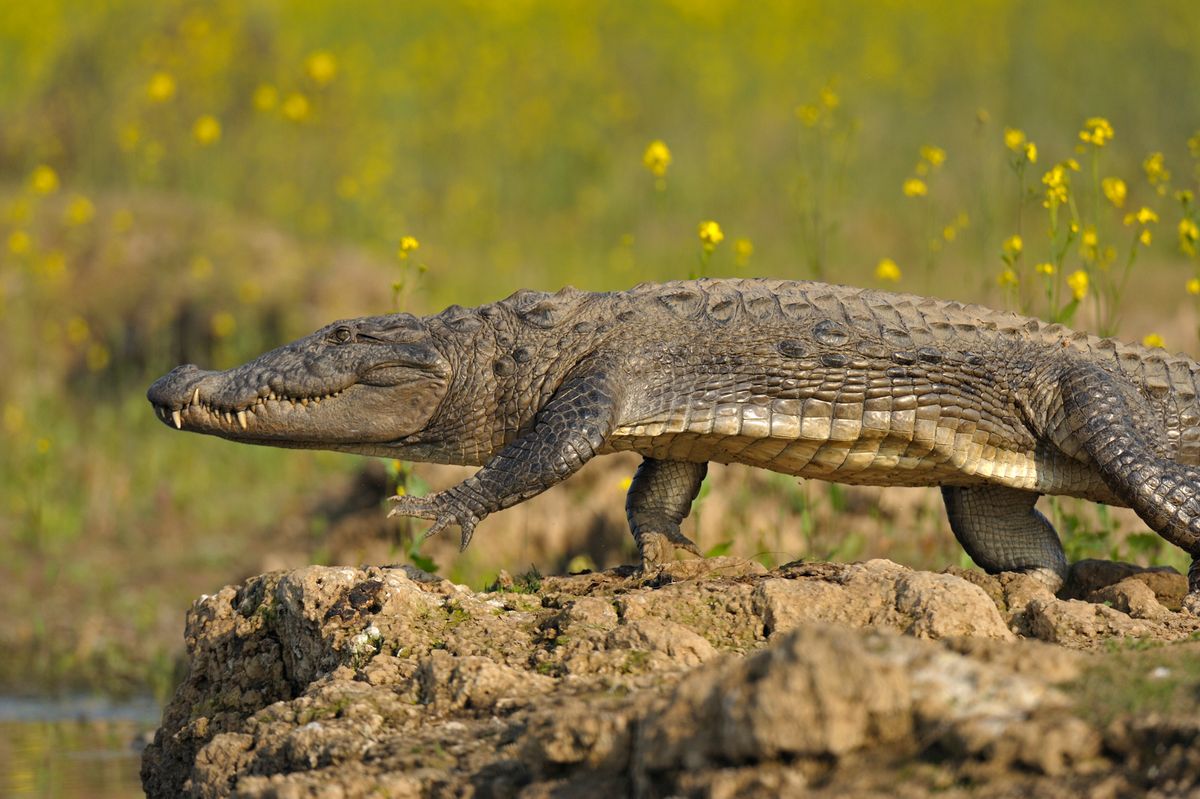
In India, crocodiles are an important part of freshwater ecosystems. They play a role as apex predators, helping maintain ecological balance within their habitats.
Although attacks on humans are relatively uncommon compared with the large number of daily interactions people have with rivers worldwide, crocodiles remain powerful wild animals capable of causing serious injuries.
Wildlife experts consistently emphasize that crocodiles should never be approached or treated as harmless.
Why Crocodile Encounters Sometimes Occur
Human and wildlife interactions often happen when people and animals rely on the same environment.
Several factors may increase the likelihood of encounters.
Daily Use of Rivers
In many rural areas, rivers are used for washing, fishing, farming, collecting water, or transportation.
Frequent human activity near riverbanks naturally increases the possibility of encountering wildlife.
Hidden Presence
Crocodiles are highly adapted to aquatic environments and can remain partially submerged for long periods.
Their camouflage often makes them difficult to notice.
Feeding Behavior
Crocodiles are opportunistic predators that react to movement near the water’s edge.
Wildlife experts note that most attacks occur close to shore, where crocodiles may be resting or waiting unnoticed.
Seasonal Conditions
Water levels, breeding seasons, and changing environmental conditions can sometimes influence crocodile movements and behavior.

Understanding Crocodile Behavior
Learning about animal behavior is one of the most effective ways to improve safety.
Crocodiles generally prefer to avoid humans whenever possible. However, they may become defensive if they feel threatened or may react instinctively while hunting.
Unlike domesticated animals, crocodiles remain entirely wild regardless of how frequently people see them.
Wildlife specialists recommend maintaining a safe distance and respecting their habitat at all times.
River Safety Tips in Crocodile Habitats
Experts recommend several precautions for people living near or visiting areas known to contain crocodiles.
Avoid the Water’s Edge at Dawn or Dusk
Many crocodile species are more active during low-light periods.
Limiting activities near rivers during these times may reduce risk.
Stay in Designated Areas
If local authorities identify safer locations for washing, swimming, or collecting water, it is best to use those designated areas.
Never Approach Wildlife
Even animals that appear calm or motionless can react quickly.
Keeping a safe distance is always the safest choice.
Supervise Children Closely
Children should remain under adult supervision whenever they are near rivers, lakes, or wetlands where crocodiles are known to live.
Follow Local Warnings
Communities that live alongside crocodile habitats often have valuable knowledge about high-risk areas and seasonal changes.
Listening to local guidance can improve safety.

Human-Wildlife Coexistence
As human populations grow and communities expand, interactions with wildlife can become more common.
Conservationists emphasize that protecting wildlife and protecting human communities are both important goals.
Successful coexistence often depends on:
-
Public education
-
Warning signs near high-risk areas
-
Community awareness programs
-
Wildlife monitoring
-
Safe water access points
-
Habitat conservation efforts
When these strategies work together, both people and wildlife can benefit.
Crocodile Conservation in India
India is home to several crocodilian species, including the mugger crocodile and the gharial.
Conservation programs over the years have helped some crocodile populations recover after periods of decline.
Wildlife experts view these efforts as important ecological successes because crocodiles contribute to healthy aquatic ecosystems.
At the same time, conservation agencies recognize that increasing crocodile populations may require additional safety measures in communities located near rivers and wetlands.
Balancing conservation with public safety remains a key challenge.
The Role of Local Authorities
After wildlife incidents, authorities often increase monitoring and review whether additional safety measures are needed.
These responses may include:
-
Monitoring crocodile activity
-
Installing warning signs
-
Educating local residents
-
Restricting access to high-risk areas
-
Relocating animals in specific circumstances when appropriate and legally permitted
Each situation is different, and wildlife officials typically evaluate environmental conditions before determining the best course of action.
Learning From Tragedy
Events involving children naturally affect entire communities.
While no safety strategy can eliminate every risk, awareness and education can significantly reduce the chances of dangerous encounters.
Understanding local wildlife, respecting natural habitats, and following safety recommendations are among the most effective ways to protect both people and animals.
Communities often become stronger after difficult experiences by sharing knowledge and supporting one another.
Conclusion
The incident near the Ghaghara River has brought grief to a family and sadness to many people who learned about the event. It also highlights an important reality: rivers are not only resources for human communities but also homes for wildlife.
Crocodiles are remarkable animals that have survived for millions of years through powerful instincts and extraordinary adaptations. Respecting those instincts is essential for safe coexistence.
Human curiosity encourages us to learn about the natural world, but curiosity is most valuable when it leads to understanding. By studying wildlife, respecting habitats, and promoting education, communities can continue building safer relationships with the environments they depend upon every day.
Sources
-
Mirror. Boy, 12, mauled to death by crocodile as he washed hands in river.
-
International Union for Conservation of Nature (IUCN). Information on crocodilian species and conservation.
-
World Wildlife Fund (WWF). Resources on crocodile ecology and habitat conservation.
-
Wildlife Institute of India. Research and educational materials on Indian crocodilian species.
-
National Geographic. Educational resources on crocodile behavior and ecosystems.