
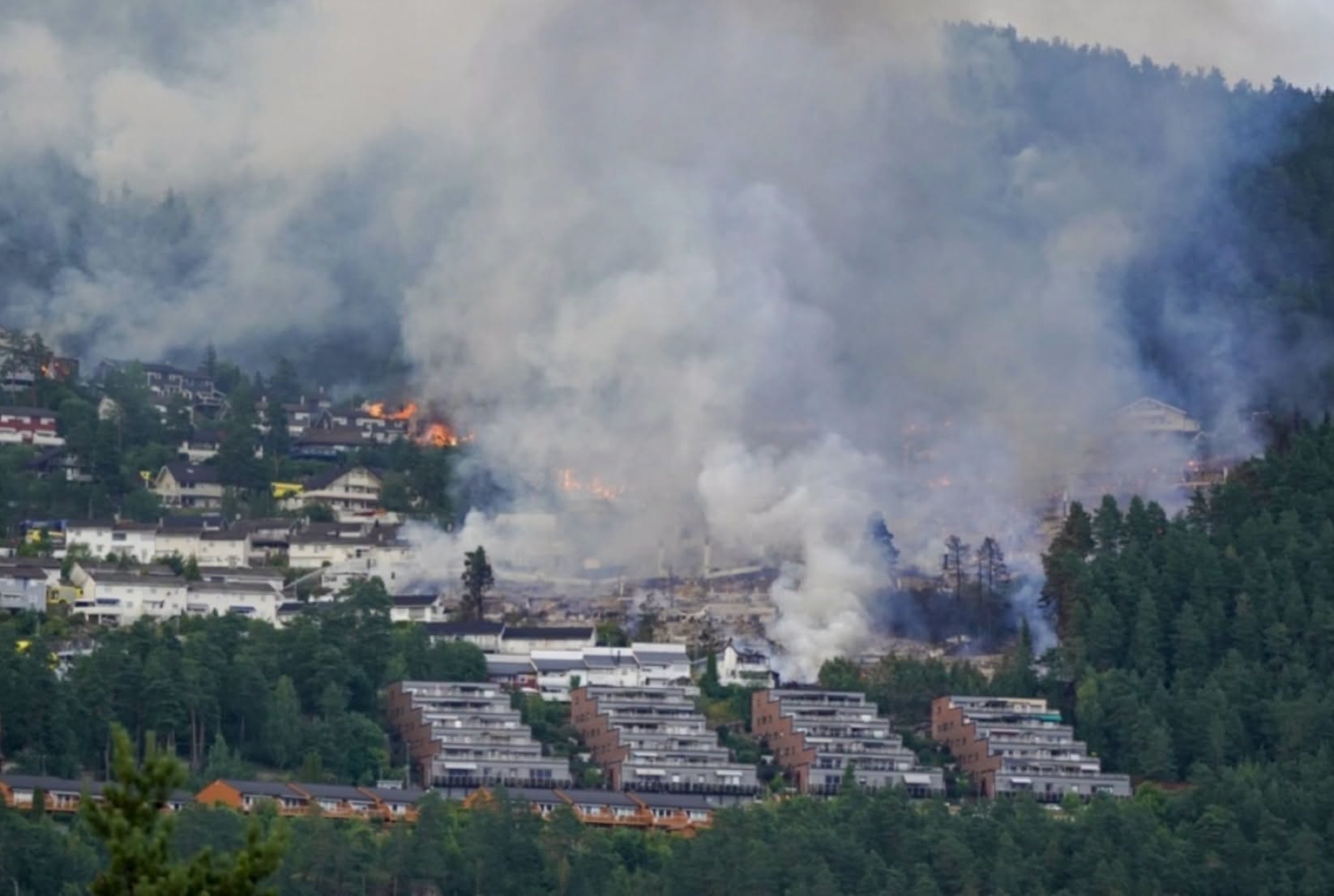
A quiet residential neighborhood can change dramatically in just a few hours when a fast-moving fire spreads from one home to many others. In the Norwegian city of Drammen, residents recently experienced such an event as a major residential fire swept through a large housing area, leaving extensive property damage and forcing hundreds of people to evacuate.
While the destruction was significant, authorities reported encouraging news: there were no immediate reports of fatalities or missing residents. Emergency responders continue investigating the cause of the fire while the affected community begins the long process of recovery.
The incident has also drawn attention to the importance of emergency preparedness, coordinated firefighting efforts, and community resilience during large-scale disasters.
What Happened in Drammen?
According to Norwegian authorities, the fire began on Friday afternoon in a townhouse in Drammen, a city located approximately 34 kilometers (21 miles) southwest of Oslo.
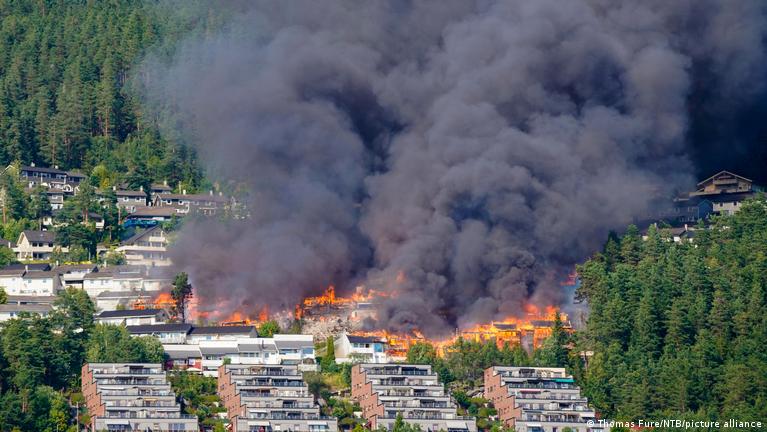
The blaze quickly spread from the initial building to neighboring homes before reaching nearby wooded areas.
Because many homes were located close together, firefighters faced challenging conditions as they worked to prevent the flames from spreading even further.
Emergency crews continued firefighting operations into the following day.
More Than 100 Homes Affected
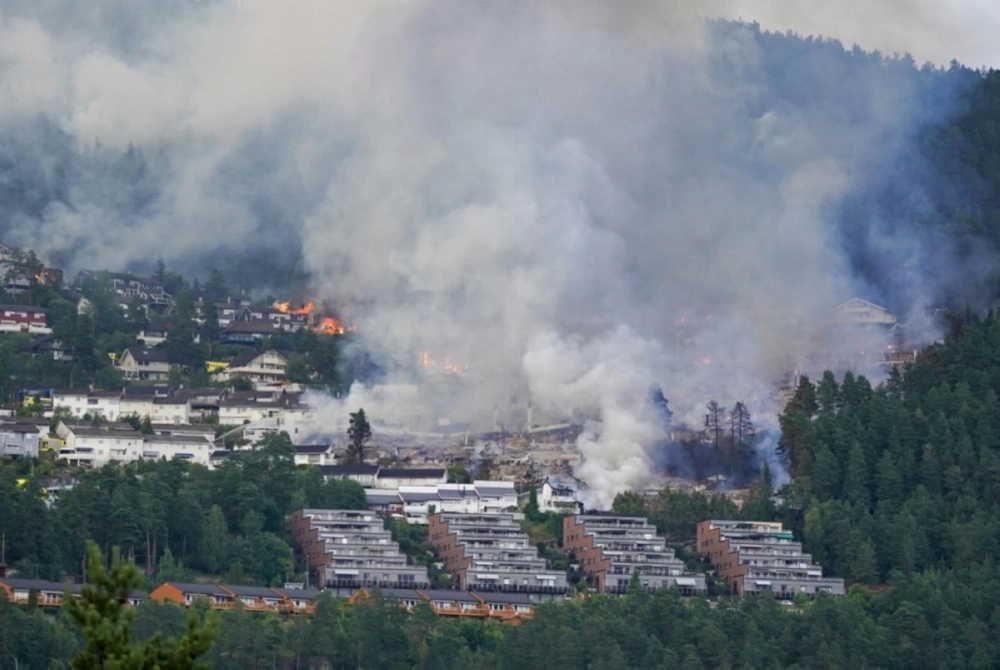
Officials reported that more than 100 homes were destroyed during the incident.
The Norwegian Directorate for Civil Protection described the event as the largest residential fire of its kind in modern Norwegian history.
Large residential fires can create complex emergency situations, requiring cooperation among firefighters, police, medical personnel, utility providers, and local government agencies.
The scale of the response reflected the significant impact on the surrounding community.
Hundreds of Residents Evacuated
As the fire expanded, authorities evacuated hundreds of residents from nearby neighborhoods.
Evacuations are a standard safety measure during large fires because conditions can change rapidly due to:
-
Wind direction.
-
Smoke movement.
-
Heat exposure.
-
Falling debris.
-
Reduced visibility.
Emergency officials work to move residents away from immediate danger while allowing firefighters access to affected areas.
Encouraging News From Authorities
Despite the extensive property damage, officials reported several positive developments.
Authorities stated that:
-
No residents were reported missing.
-
There were no immediate reports of fatalities.
-
Firefighters continued working to bring the fire under control.
-
Investigators began examining the possible cause of the incident.
Emergency investigations often continue for days or weeks as specialists evaluate structural damage and gather evidence.
Why Fires Can Spread Quickly in Residential Areas
Several factors may contribute to the rapid spread of fires in residential neighborhoods.
These can include:
Building Proximity
Homes located close together allow heat to transfer more easily between structures.
Weather Conditions
Wind can increase fire intensity and carry embers to nearby buildings or vegetation.
Vegetation
Trees, shrubs, and dry grasses may allow fires to spread beyond residential structures.
Construction Materials
Different building materials respond differently to heat and fire exposure.
Investigators carefully examine these and other factors during post-fire assessments.
The Role of Emergency Services
Large-scale incidents require coordinated efforts from multiple agencies.
Emergency responders typically focus on:
-
Protecting residents.
-
Containing the fire.
-
Preventing additional structural damage.
-
Assisting evacuations.
-
Securing affected areas.
-
Beginning recovery operations.
Modern emergency management relies on careful communication among local authorities, firefighters, law enforcement, and community organizations.
Supporting Communities After a Major Fire
Recovery continues long after flames have been extinguished.
Communities affected by major residential fires often receive assistance through:
-
Temporary housing programs.
-
Community support services.
-
Insurance claims assistance.
-
Utility restoration.
-
Structural safety inspections.
-
Local volunteer organizations.
These resources help residents begin rebuilding their homes and daily routines.
Fire Safety Preparedness
Although events of this scale are uncommon, emergency preparedness remains valuable for every household.
Safety experts recommend:
-
Installing and regularly testing smoke alarms.
-
Creating a family evacuation plan.
-
Knowing multiple exit routes from the home.
-
Keeping emergency contact information readily available.
-
Following instructions from local emergency authorities during evacuations.
-
Maintaining an emergency supply kit.
Preparation can improve safety during many different types of emergencies.
Lessons From Large Residential Fires
Events like the Drammen fire demonstrate the importance of:
-
Rapid emergency response.
-
Effective evacuation planning.
-
Strong community cooperation.
-
Modern firefighting resources.
-
Continued investment in fire prevention and public safety.
Each major incident also provides opportunities for emergency management professionals to evaluate response strategies and strengthen future preparedness.
Conclusion
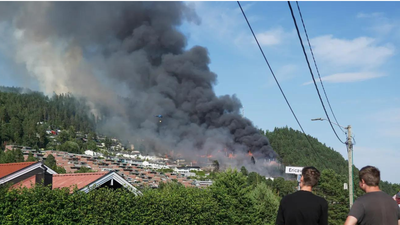
The residential fire in Drammen represents one of the largest housing-related fire emergencies in modern Norwegian history, with more than 100 homes destroyed and hundreds of residents displaced. While the property damage is extensive, the absence of immediate reports of fatalities or missing residents reflects the effectiveness of emergency response efforts and evacuation procedures.
As investigators work to determine the cause of the fire, the focus now shifts toward supporting affected families and rebuilding the community. Large-scale emergencies remind us that preparedness, cooperation, and resilient public services play essential roles in protecting lives and helping communities recover.
Human curiosity naturally leads us to seek answers after significant events like this. By learning how emergency systems operate and understanding the importance of disaster preparedness, we can better appreciate the efforts that help communities respond to unexpected challenges.
Sources
-
Saudi Gazette. Norway’s Largest Residential Fire Destroys More Than 100 Homes.
-
Norwegian Directorate for Civil Protection (DSB). Fire Safety and Emergency Preparedness.
-
International Federation of Red Cross and Red Crescent Societies (IFRC). Community Disaster Preparedness Resources.