
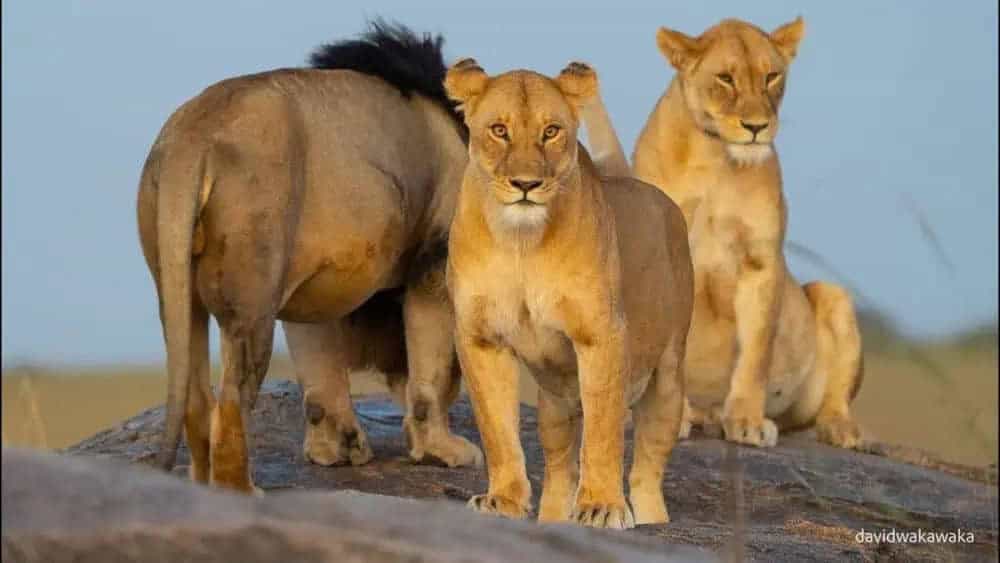
The African savanna is home to countless remarkable wildlife stories that capture our imagination. Among the most heartwarming are tales of young lions overcoming challenges to reunite with their families. These narratives remind us of the strength, resilience, and social bonds that make lions one of the world’s most fascinating animals.
One widely shared online story follows a young lion named Bob Junior, who is said to have become separated from his pride after a powerful storm before eventually finding his way home. While the story offers an inspiring message about perseverance and family, it is presented as a storytelling narrative rather than a documented wildlife report.
Exploring this tale also provides an opportunity to learn about real lion behavior and the importance of family groups in the wild.
The Story of Bob Junior
According to the online story, a young lion named Bob Junior becomes separated from his pride during a severe storm across the African savanna.
Left alone in unfamiliar surroundings, the young lion is described as relying on instinct while searching for familiar scents and sounds.
Throughout the journey, Bob Junior reportedly encounters various natural challenges before finally locating his pride and reuniting with his family.
The story concludes with a joyful reunion that celebrates determination, family, and the idea of finding one’s way home.
Is This a Verified Wildlife Event?
Although the story is emotionally engaging, there is no widely documented scientific or conservation record confirming that Bob Junior is a real, individually identified wild lion whose journey occurred exactly as described.
Many online wildlife stories combine realistic animal behavior with fictional storytelling elements designed to entertain readers.
Without confirmation from recognized conservation organizations, wildlife researchers, or documented field studies, such stories are best viewed as inspirational narratives rather than verified news.

How Lion Prides Really Work
Lion is one of the few truly social members of the cat family.
Unlike most big cats, lions typically live in groups known as prides, which commonly include:
- Adult females.
- Their cubs.
- Young lions.
- One or more adult males.
Living together provides important advantages, including cooperative hunting, protection of cubs, and defense of territory.
Can Young Lions Become Separated?
Yes. In nature, young lions can occasionally become temporarily separated from their pride.
This may occur because of:
- Long-distance movement.
- Hunting activities.
- Conflicts with other predators.
- Environmental conditions.
- Human disturbance.
Lionesses and cubs often communicate through vocalizations, scent, and familiarity with their territory, which can help family members relocate one another.
The Importance of Scent and Communication
Lions rely heavily on several forms of communication.
These include:
- Roaring.
- Scent marking.
- Body language.
- Facial expressions.
- Vocal calls between mothers and cubs.
Scent plays an especially important role in helping lions recognize members of their own pride and understand territorial boundaries.

Challenges Young Lions Face
Growing up in the wild requires learning many survival skills.
Young lions gradually develop the ability to:
- Recognize territory.
- Follow experienced adults.
- Hunt cooperatively.
- Avoid potential dangers.
- Communicate within the pride.
The support of the pride greatly increases a cub’s chances of reaching adulthood.
Why Family Matters in Lion Society
Lion prides are built around strong social relationships.
Adult females often cooperate by:
- Caring for cubs.
- Defending young lions.
- Sharing responsibilities.
- Protecting territory.
This cooperation distinguishes lions from most other large cats, which generally live solitary lives.
Why Stories Like This Inspire Readers
Whether fictional or inspired by real wildlife behavior, stories like Bob Junior’s resonate because they reflect universal themes.
Readers often connect with ideas such as:
- Perseverance.
- Courage.
- Family.
- Belonging.
- Hope.
These themes appear in storytelling across many cultures and continue to make wildlife narratives popular.

Supporting Real Lion Conservation
While inspirational stories are enjoyable, real lions face significant conservation challenges.
Organizations around the world work to protect lions through:
- Habitat conservation.
- Scientific research.
- Community partnerships.
- Anti-poaching efforts.
- Wildlife monitoring.
Learning about authentic conservation work helps ensure future generations can continue to appreciate these remarkable animals.
Conclusion
The story of Bob Junior offers a touching reminder of the importance of family, determination, and hope. Although the account is best viewed as a fictional or unverified wildlife narrative rather than a documented event, it reflects genuine aspects of lion behavior, including the strong social bonds that exist within prides.
Real lions continue to inspire scientists, conservationists, photographers, and wildlife enthusiasts around the globe. By understanding both the facts of lion ecology and the stories that celebrate these magnificent animals, we gain a deeper appreciation for one of nature’s most iconic species.
Human curiosity has always been inspired by wildlife. Whether through scientific discovery or meaningful storytelling, lions continue to remind us of the enduring connections between family, resilience, and the natural world.

Sources
- International Union for Conservation of Nature (IUCN) – Lion conservation status
- World Wildlife Fund – African wildlife conservation
- National Geographic Society – Lion behavior and ecology
- Smithsonian National Zoo and Conservation Biology Institute – Lion facts
- African Wildlife Foundation – Lion conservation programs