
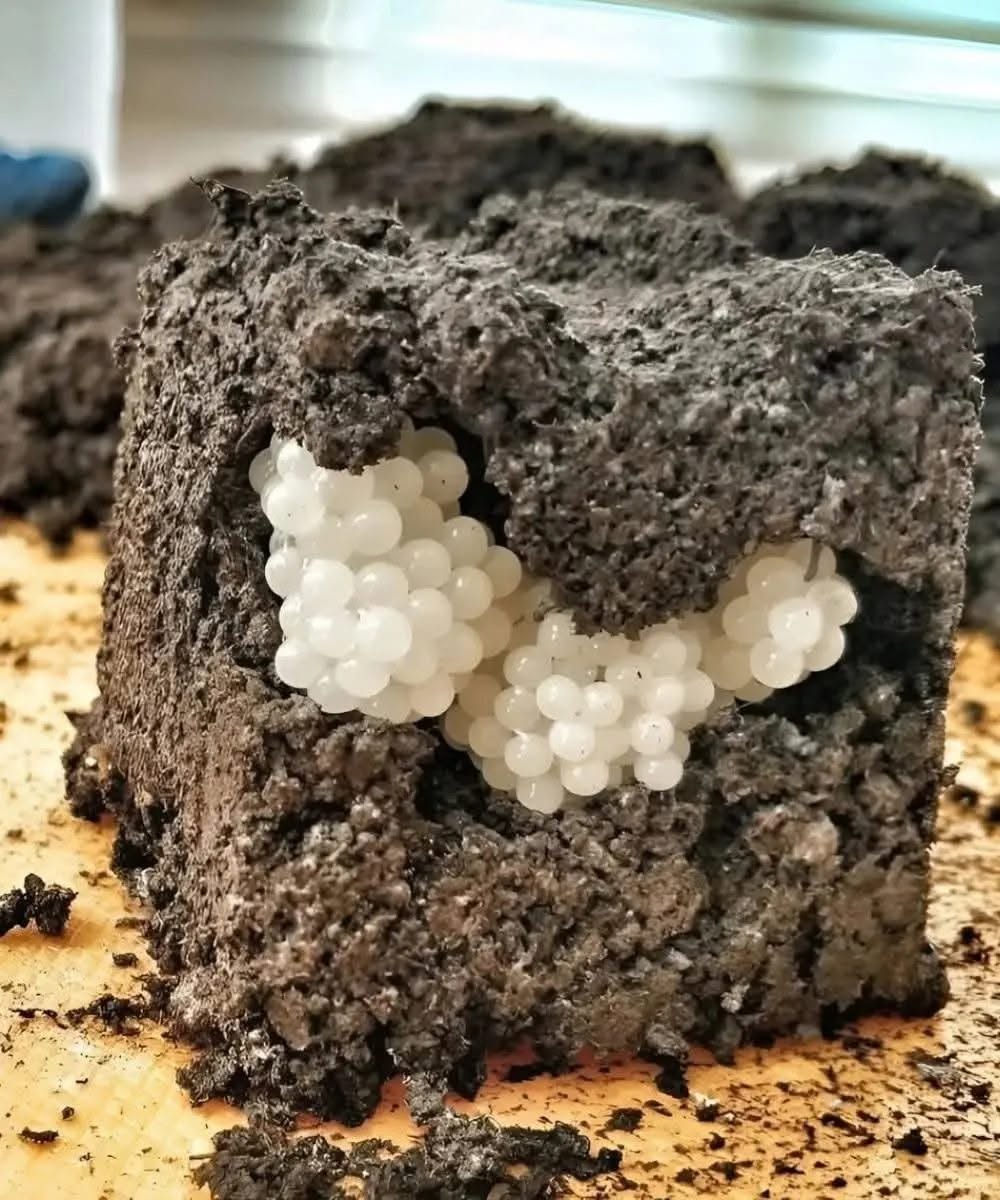
Every gardener has experienced that moment of curiosity while digging through the soil. Perhaps it’s an unusual insect, an oddly shaped root, or a cluster of tiny white spheres that seem almost too perfect to be natural. At first glance, they might look like fertilizer pellets or small beads hidden beneath the surface.
Stories about discovering mysterious white balls in garden soil frequently circulate online, often accompanied by dramatic warnings. While these discoveries can certainly be surprising, they are usually much less mysterious than they first appear.
In many cases, clusters of small, translucent white spheres found in moist soil are snail or slug eggs. Although they are generally not dangerous to touch with normal gardening precautions, they can hatch into large numbers of garden pests capable of damaging young plants and vegetables.
This article explores how to identify snail eggs, explains their role in nature, discusses common misconceptions, and offers practical, environmentally friendly ways to manage them.
What Are Those Tiny White Balls?
Finding small white spheres beneath the soil can be puzzling.
Several possibilities exist, including:
- Slow-release fertilizer pellets
- Perlite from potting mixes
- Mushroom structures
- Insect eggs
- Snail or slug eggs
Careful observation usually helps distinguish between them.
Snail eggs are often:
- White or translucent
- Nearly round
- Slightly soft
- Clustered together
- Found in damp soil
Their appearance is sometimes compared to tiny pearls or clear jelly beads.
Why Snails Lay Eggs Underground
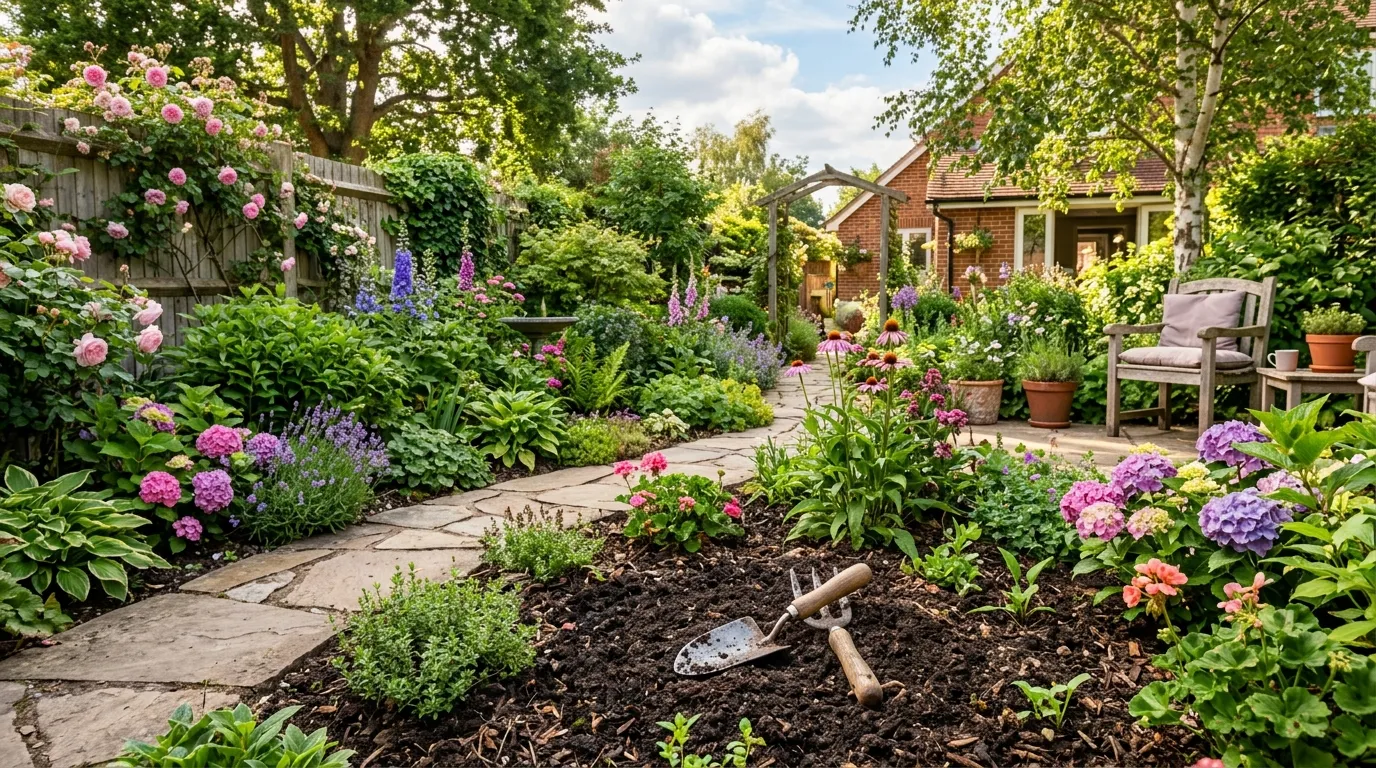
Snails prefer moist, sheltered environments.
They commonly lay eggs beneath:
- Garden mulch
- Flower pots
- Leaf litter
- Compost
- Loose soil
- Shaded garden beds
These protected locations help maintain moisture while reducing exposure to predators and extreme temperatures.
Understanding the Snail Life Cycle
Snails reproduce by laying clusters of eggs that hatch under favorable environmental conditions.
The exact timing depends on:
Temperature
Moderate temperatures generally encourage development.
Moisture
Damp soil provides ideal conditions for egg survival.
Species
Different snail species produce varying numbers of eggs and follow different reproductive patterns.
Many common garden snails lay dozens of eggs during a reproductive cycle, although the number varies considerably among species.
Are Snail Eggs Harmful?
For most home gardeners, snail eggs themselves are not considered directly harmful.
However, if allowed to hatch in large numbers, the young snails may feed on:
- Tender seedlings
- Leafy vegetables
- Herbs
- Flowers
- Newly emerging shoots
Heavy snail activity can slow plant growth and affect ornamental gardens.
Common Myths About Snail Eggs
Myth 1: Every White Ball Is a Snail Egg
Not necessarily.
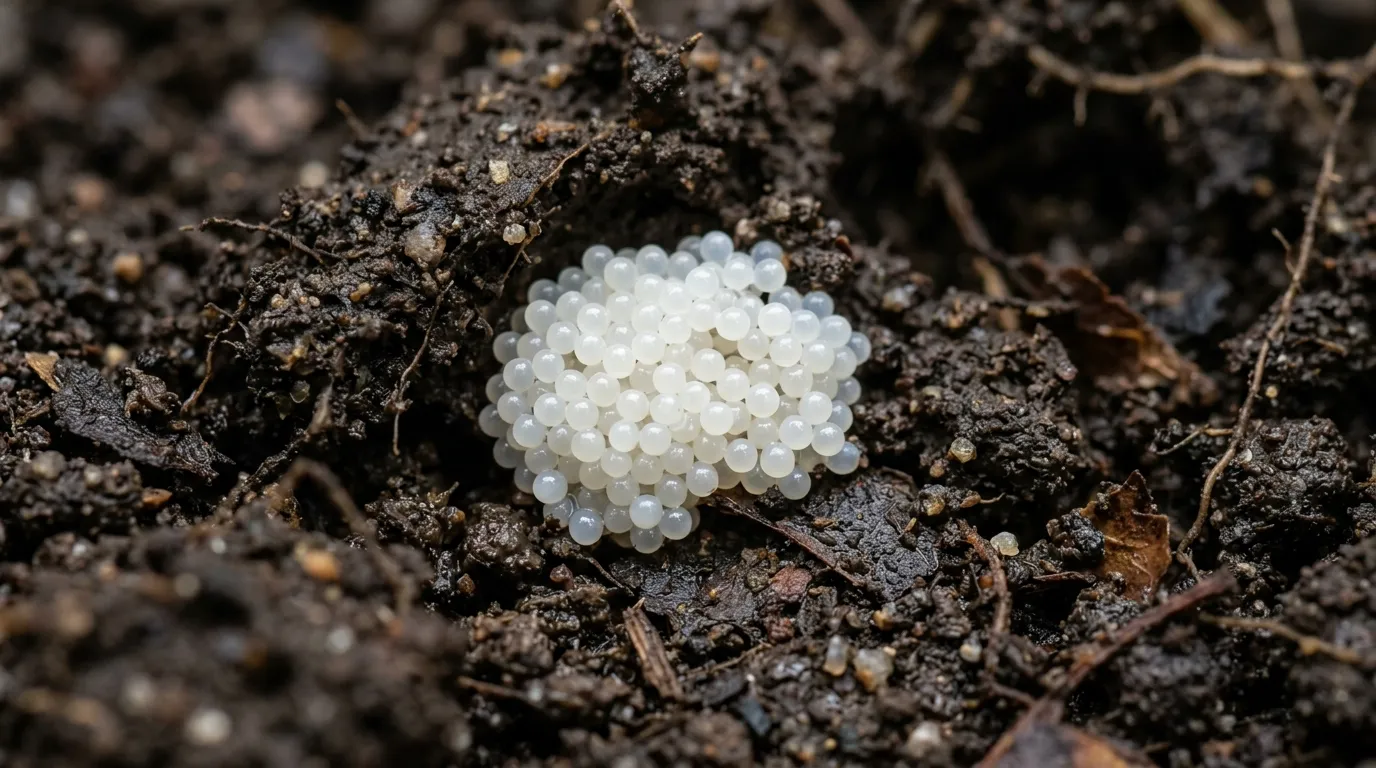
Slow-release fertilizer pellets and perlite can closely resemble eggs.
Looking for clustered, soft, translucent spheres helps improve identification.
Myth 2: Snail Eggs Always Contain Dangerous Parasites
Most garden snails do not pose a significant health risk during ordinary gardening.
However, as with any gardening activity, wearing gloves and washing hands afterward is considered good practice.
Certain parasites associated with specific snail species occur only in particular regions of the world and are not present in every garden.
Myth 3: Chemicals Are the Only Solution
Many gardeners successfully manage snail populations using environmentally friendly methods before considering chemical controls.
Environmentally Friendly Ways to Manage Snail Eggs
If you identify snail eggs in your garden, several practical approaches may help.
Remove Egg Clusters
Carefully collect visible egg clusters while wearing gardening gloves.
Improve Garden Hygiene
Removing excessive leaf litter and decaying plant material reduces attractive hiding places.
Reduce Excess Moisture
Avoid unnecessary overwatering when appropriate for your plants.
Encourage Natural Predators
Birds, frogs, beetles, and some small mammals naturally help control snail populations.
Healthy biodiversity often contributes to balanced garden ecosystems.
The Ecological Role of Snails
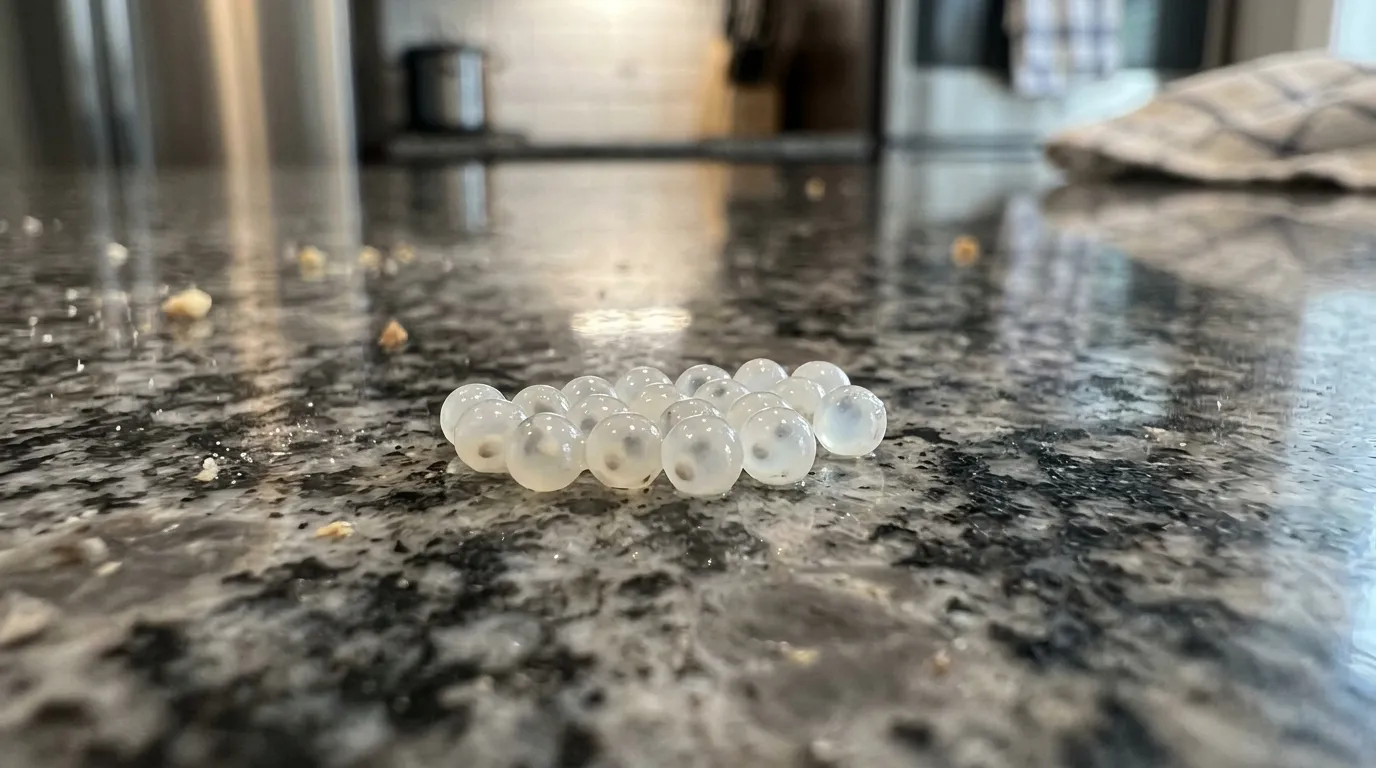
Although gardeners sometimes view snails as pests, they also play useful roles in nature.
Snails contribute to ecosystems by:
- Breaking down decaying plant material
- Recycling nutrients
- Supporting food webs as prey for many animals
The goal of garden management is usually balance rather than complete elimination.
How to Tell the Difference Between Snail Eggs and Fertilizer Pellets
Gardeners frequently confuse these two materials.
Snail Eggs
- Soft texture
- Slightly translucent
- Clustered naturally
- Moist appearance
- Irregular underground placement
Fertilizer Pellets
- Firm texture
- Uniform appearance
- Manufactured consistency
- Often mixed evenly throughout potting soil
- Do not feel gelatinous
Examining texture carefully usually provides the best clue.
Safe Gardening Practices
Whether dealing with insects, fungi, or snail eggs, good gardening habits remain important.
Recommended practices include:
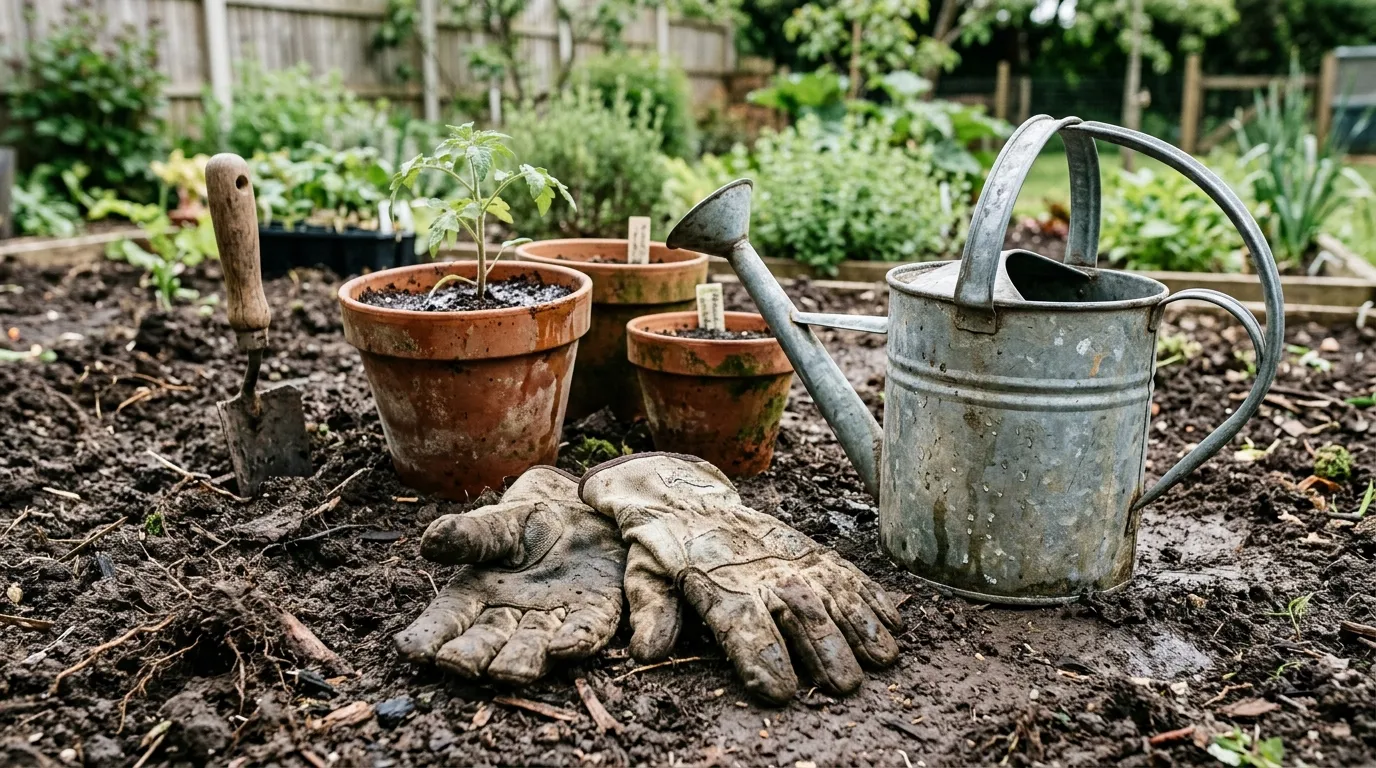
- Wearing gloves when digging
- Washing hands afterward
- Cleaning gardening tools regularly
- Monitoring plants for signs of pest damage
- Inspecting new mulch and potting soil before use
These habits help maintain both plant health and personal hygiene.
Frequently Asked Questions
What do snail eggs look like?
They are typically small, round, white or translucent spheres found in clusters within moist soil or beneath garden debris.
Should I remove snail eggs?
Gardeners who wish to reduce future snail populations often choose to remove visible egg clusters before they hatch.
Are snail eggs dangerous to touch?
For most home gardeners, ordinary handling with gardening gloves is considered appropriate. Washing hands after gardening is always recommended.
How can I prevent future snail problems?
Maintaining good garden sanitation, reducing excessive moisture, encouraging natural predators, and inspecting damp hiding places regularly may help limit snail populations.
Conclusion
Discovering mysterious white spheres beneath the soil can certainly spark curiosity, but in many cases they are simply part of the fascinating cycle of life taking place beneath our gardens. Snail eggs remind us that healthy soil supports countless organisms, each playing a role within the ecosystem.
Rather than reacting with alarm, gardeners benefit most from careful observation, accurate identification, and environmentally responsible management. By understanding the difference between harmless garden discoveries and genuine pest concerns, we can protect our plants while preserving the natural balance that makes gardens thrive.
Human curiosity has always been one of the greatest tools for learning about nature. Sometimes, the smallest discoveries hidden beneath the soil offer the biggest opportunities to better understand the remarkable world growing just beneath our feet.
Sources
- Royal Horticultural Society (RHS) – Guidance on managing slugs and snails in home gardens
- University of California Integrated Pest Management (UC IPM) – Snail and slug identification and management
- Missouri Botanical Garden – Garden pest identification resources
- Royal Society for the Protection of Birds (RSPB) – Garden biodiversity and wildlife
- National Gardening Association – Sustainable gardening practices
- Centers for Disease Control and Prevention (CDC) – General guidance on hygiene when handling soil and garden materials
- Editorial inspiration: cjQuotes, “The Hidden Garden Invasion: Why I Never Ignore Strange White Balls in My Soil.” The original article includes AI-generated illustrations and anecdotal claims; gardeners should identify garden findings carefully before taking action.