

Every parent or caregiver hopes their home is a place of comfort, security, and protection. While homes provide shelter from the outside world, they also contain everyday hazards that require careful attention, especially when young children are involved.
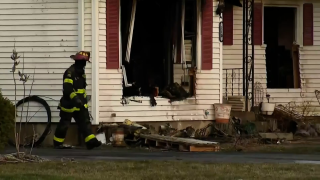
A recent news report from Illinois described criminal charges filed following a residential fire in which a young child lost his life. According to authorities, the investigation remains part of ongoing legal proceedings, and the reported charges are allegations that will be addressed through the judicial process.
Beyond the legal aspects of the case, the incident has renewed conversations about child supervision, home fire prevention, and emergency preparedness. Experts emphasize that creating safer home environments involves planning ahead, maintaining working safety equipment, and ensuring young children receive appropriate supervision.
Why Young Children Need Continuous Supervision
Young children are naturally curious.
They often explore their surroundings without fully understanding potential dangers.
Child safety specialists note that preschool-aged children generally rely on adults to help them:
- Recognize hazards
- Respond to emergencies
- Make safe decisions
- Access help when needed
Because their judgment and problem-solving abilities are still developing, continuous supervision remains an important part of keeping young children safe.
Understanding Household Fire Risks
Residential fires can begin in many different ways.
Common causes identified by fire safety organizations include:
- Electrical problems
- Cooking incidents
- Heating equipment
- Candles
- Smoking materials
- Improper use of electrical devices
Many fires develop unexpectedly, making early detection especially important.
The Importance of Smoke Alarms
Smoke alarms are among the most effective home safety devices.
According to fire safety organizations, working smoke alarms can provide valuable early warning during a fire.
Experts recommend:
- Installing smoke alarms on every level of the home
- Placing alarms inside and outside sleeping areas
- Testing alarms monthly
- Replacing batteries as recommended
- Replacing older smoke alarms according to manufacturer guidelines
Regular maintenance helps ensure these devices function properly.
Creating a Home Fire Escape Plan
Every household benefits from having a simple emergency plan.
Families are encouraged to:
Identify Two Exits
Know more than one way out of each room whenever possible.
Choose a Meeting Place
Select a safe outdoor location where everyone can gather.
Practice Regularly
Review the plan together so everyone understands what to do.
Keep Exit Routes Clear
Avoid blocking doors, windows, or hallways.
Practicing ahead of time helps family members respond more confidently during emergencies.
Electrical Safety at Home
Electrical systems require ongoing maintenance.
Helpful safety practices include:
- Replacing damaged cords
- Avoiding overloaded outlets
- Having electrical concerns inspected by qualified professionals
- Keeping appliances in good condition
- Following manufacturer instructions
Addressing electrical issues promptly can reduce household risks.
Helping Children Learn Basic Safety
As children grow, they can begin learning simple safety habits appropriate for their age.
Parents and caregivers may teach children to:
- Recognize the sound of a smoke alarm
- Call emergency services when appropriate
- Identify trusted adults
- Stay away from dangerous heat sources
- Follow family emergency plans
These lessons should be presented calmly and practiced regularly.
The Role of Community Support
Keeping children safe is often a shared responsibility.
Support may come from:
- Family members
- Neighbors
- Teachers
- Childcare providers
- Healthcare professionals
- Local fire departments
Many communities offer free fire safety education and smoke alarm programs for residents.
Fire Prevention Starts With Everyday Habits
Small daily actions contribute to a safer home.
Examples include:
- Checking smoke alarms regularly
- Keeping matches and lighters out of children’s reach
- Supervising cooking
- Maintaining electrical systems
- Practicing emergency plans
- Keeping emergency numbers accessible
These habits help reduce risk while increasing preparedness.

Supporting Families Through Education
Many child safety organizations emphasize education rather than fear.
Providing parents and caregivers with practical information empowers families to make informed decisions about home safety.
Resources from pediatricians, fire departments, and public health organizations can help families stay current with recommended safety practices.
Looking Beyond Individual Cases
When highly publicized incidents occur, it is natural for communities to seek answers.
At the same time, experts encourage focusing on broader prevention efforts that benefit all families.
Every home can become safer through planning, education, and regular maintenance.
Learning from difficult situations helps strengthen awareness without relying on speculation about ongoing legal matters.
Conclusion
Home safety is built through many small decisions made every day. Working smoke alarms, thoughtful supervision, regular home maintenance, and emergency planning all contribute to creating safer environments for children.
While individual incidents often become the focus of public attention, their broader value lies in encouraging families to review their own safety practices and prepare for unexpected situations. Prevention begins with awareness, and even simple precautions can make a meaningful difference.
Human curiosity often leads us to ask how accidents happen. The more important question may be how communities, families, and safety professionals can work together to reduce risks and protect children in the future.
Sources
National Fire Protection Association (NFPA). Home Fire Safety. https://www.nfpa.org/
U.S. Fire Administration. Fire Prevention and Public Education. https://www.usfa.fema.gov/
American Academy of Pediatrics (AAP). Home Safety Tips. https://www.healthychildren.org/
Centers for Disease Control and Prevention (CDC). Child Injury Prevention. https://www.cdc.gov/injury/
Safe Kids Worldwide. Home Safety Resources. https://www.safekids.org/