
Animal welfare cases often draw significant public attention because they involve two important concerns at the same time: protecting the well-being of animals and ensuring that legal investigations follow established procedures.
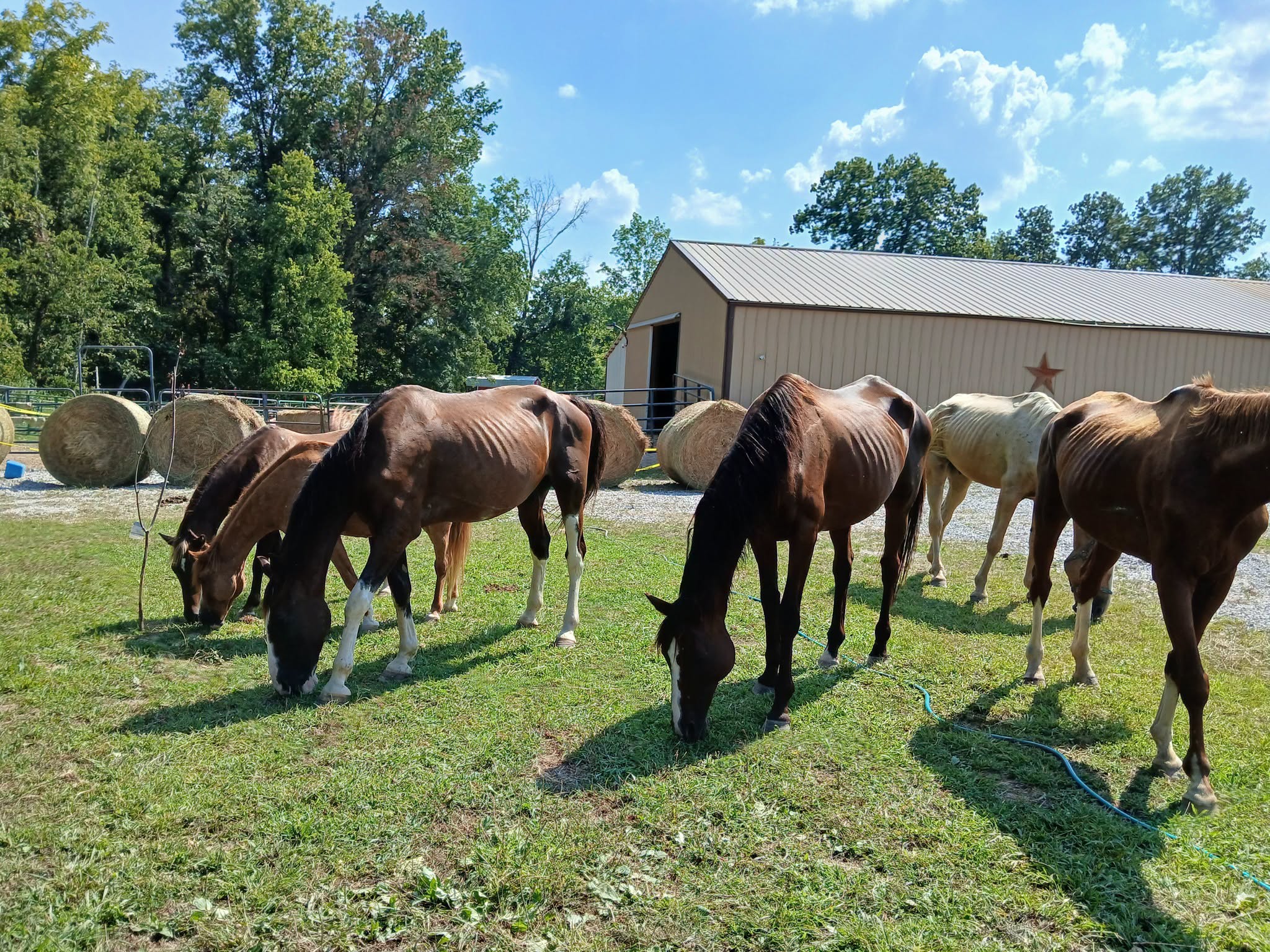
A recent case in Ohio involving horses from a former ranch has renewed discussion about how animal welfare investigations are conducted. According to news reports, a court ruled that certain evidence should be suppressed after determining that investigators did not meet constitutional requirements related to obtaining consent during the search. Prosecutors later withdrew their appeal of that ruling. The underlying criminal charges remain part of the legal process, and no final determination of guilt has been made.
While individual cases are decided in court based on their specific facts, they also provide an opportunity to better understand animal welfare standards, the role of due process, and why both are essential to maintaining public confidence.
Understanding Animal Welfare
Animal welfare refers to the physical and behavioral well-being of animals under human care.
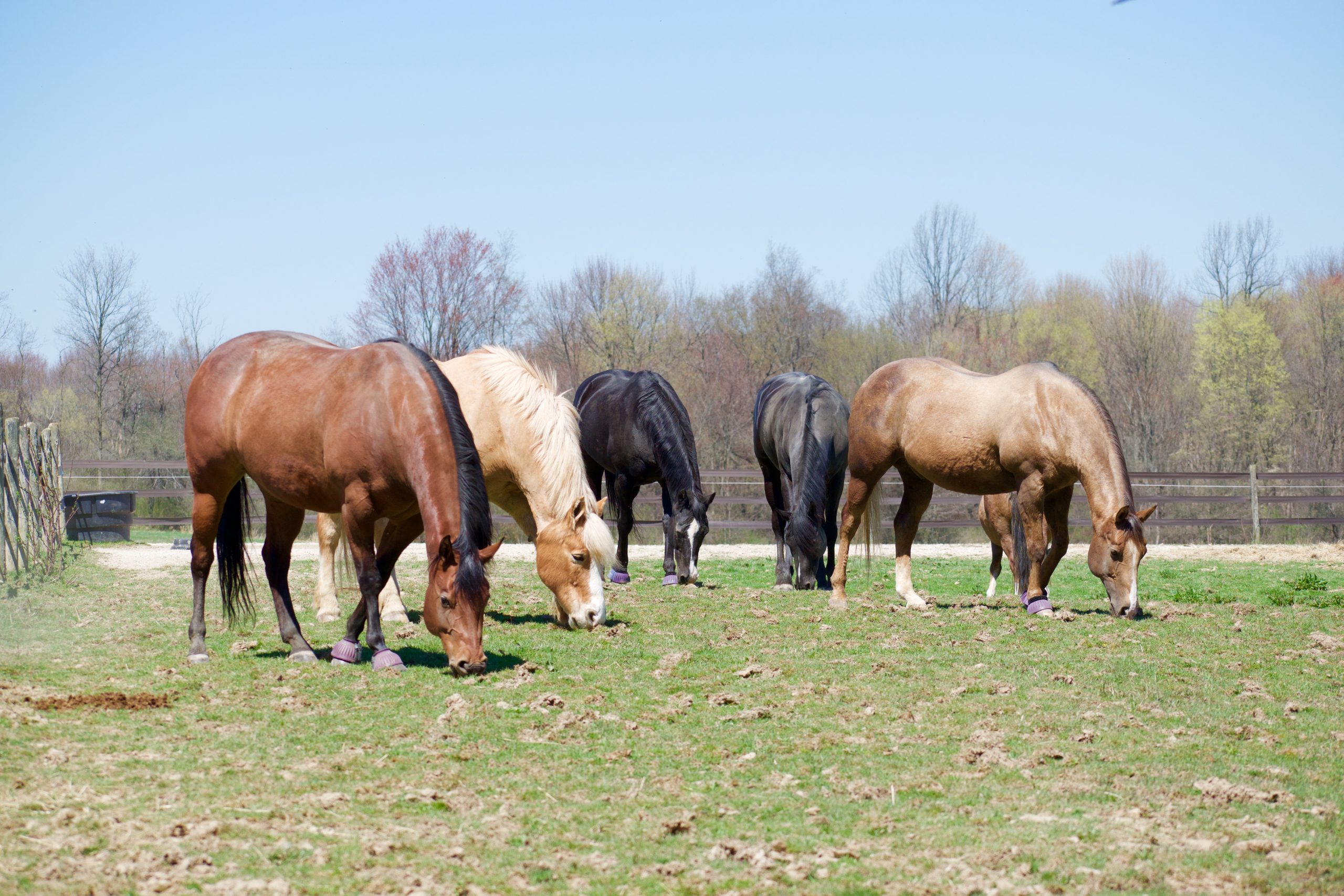
For horses, appropriate care generally includes:
- Adequate nutrition
- Clean drinking water
- Safe shelter
- Veterinary care
- Proper hoof care
- Opportunities for natural movement
- Appropriate handling
Responsible ownership involves meeting these needs consistently throughout an animal’s life.

Recognizing Signs That a Horse May Need Attention
Veterinarians evaluate horses using several indicators of overall health.
These may include:
Body Condition
Maintaining a healthy body condition helps support normal movement and overall wellness.
Coat Quality
A healthy coat often reflects good nutrition and regular care.
Mobility
Comfortable movement may indicate healthy muscles, joints, and hooves.
Behavior
Changes in appetite, activity, or social interaction can sometimes signal health concerns.
Only qualified veterinary professionals can determine the underlying causes of health conditions through proper examination.
What Happens During Animal Welfare Investigations?
Animal welfare investigations typically involve multiple agencies depending on local laws.
Investigators may:
- Respond to public complaints
- Observe animal living conditions
- Collect photographs
- Review veterinary records
- Interview witnesses
- Consult veterinary experts
If necessary, courts may authorize additional investigative actions consistent with applicable laws.
Why Legal Procedures Matter
In countries that follow constitutional legal protections, investigators must comply with established legal requirements.
These protections help ensure that:
- Investigations are conducted fairly.
- Individual rights are respected.
- Evidence is collected lawfully.
- Court proceedings remain reliable.
When courts determine that legal procedures were not properly followed, certain evidence may be excluded from consideration.
This process does not automatically resolve the underlying allegations but instead reflects the legal system’s commitment to procedural fairness.
Understanding Due Process
Due process is a legal principle designed to ensure fair treatment throughout judicial proceedings.
It generally includes:
- The presumption of innocence until proven otherwise
- The opportunity to respond to allegations
- Judicial review
- Legal representation
- Decisions based on admissible evidence
These protections apply regardless of the type of case being considered.
The Role of Veterinary Experts
Veterinarians frequently assist in animal welfare investigations by evaluating:
- Physical condition
- Nutritional status
- Medical history
- Possible health conditions
- Recommended treatment
Professional veterinary assessments help courts better understand the health of the animals involved.

Caring for Horses Requires Long-Term Commitment
Horse ownership involves significant responsibility.
Routine care commonly includes:
- Balanced nutrition
- Fresh water
- Regular veterinary examinations
- Dental care
- Hoof trimming
- Vaccinations
- Parasite management
- Safe housing
Preventive care often contributes to better long-term health outcomes.
Supporting Animal Welfare Through Education
Many animal welfare organizations focus on education alongside enforcement.
Resources often include:
- Horse management training
- Nutrition guidance
- Emergency preparedness
- Veterinary outreach
- Owner education programs
Providing accessible information helps many owners maintain high standards of care.
Why Public Discussion Can Be Complex
Cases involving animals often generate strong emotional responses.
However, court proceedings are designed to evaluate evidence carefully while respecting legal protections for everyone involved.
Public reports may not include every detail available to the court, making it important to avoid drawing conclusions before legal proceedings are complete.
Balanced reporting helps promote informed discussion rather than speculation.
Looking Ahead
Animal welfare continues to evolve through ongoing research, improved veterinary care, updated husbandry practices, and advances in legal standards.
Many communities support both:
- Strong protections for animals
- Fair legal processes during investigations
These two goals are not in conflict—they work together to strengthen public trust.
Conclusion
Animal welfare depends on responsible daily care, professional veterinary support, and community awareness. At the same time, investigations into alleged mistreatment must follow established legal procedures to ensure fairness and accountability.
Cases like this remind us that protecting animals and respecting due process are both essential parts of a well-functioning justice system. As courts evaluate evidence and legal questions, the broader conversation encourages continued education about responsible horse ownership and high standards of animal care.
Human curiosity naturally draws attention to complex legal cases, but the most valuable lesson is that lasting public confidence comes from balancing compassion for animals with a fair, transparent judicial process.
Sources
American Association of Equine Practitioners (AAEP). Horse Care Guidelines. https://aaep.org/
American Veterinary Medical Association (AVMA). Animal Welfare Resources. https://www.avma.org/
ASPCA. Horse Care and Welfare. https://www.aspca.org/
The Humane Society of the United States. Animal Welfare Information. https://www.humanesociety.org/
U.S. Department of Agriculture (USDA). Animal Care Program. https://www.aphis.usda.gov/animal-care