
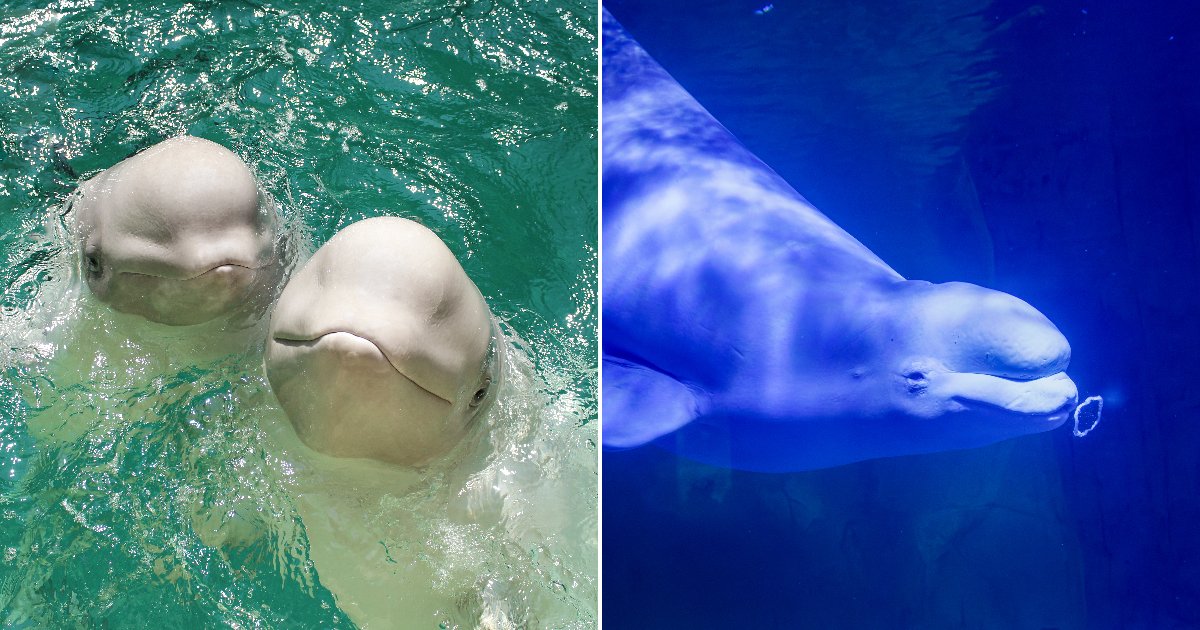
In the quiet, pre-dawn hours of a summer morning, a convoy carrying steel containers marked “live animals, this side up” arrived at Chicago’s Shedd Aquarium. Inside were four female beluga whales (Delphinapterus leucas)—Acadia, Osiris, Sierra, and Lillooet—all in their twenties. The animals were safely relocated from Marineland of Canada, a theme park and zoo in Niagara Falls, Ontario, that permanently closed its doors. The delicate transport marks the initial phase of a international rescue mission designed to find new homes for roughly thirty belugas stranded at the closed facility.
Accompanied by specialist veterinarians, cranes, hoists, and custom slings, the four whales made the journey by cargo jet and specialized transport trucks. Officials at Shedd Aquarium specifically selected Acadia (27), Osiris (26), Sierra (26), and Lillooet (21) because of their existing social bonds, ensuring that familiar pod dynamics helped reduce stress during transit. Now swimming alongside resident belugas in Shedd’s three-million-gallon Abbott Oceanarium, the group represents hope for a complex, multi-year marine mammal relocation project spanning accredited facilities across North America and Europe.
Myth, Archetypes, and Cultural Symbolism of the “Sea Canary”

Throughout human history, beluga whales have held a unique place in coastal folklore and indigenous marine traditions. Native to Arctic and sub-Arctic waters, belugas were dubbed the “canaries of the sea” by early mariners due to their high-pitched, musical vocalizations that echoed through the hulls of wooden ships.
In Inuit traditions, the beluga—known as qilalugaq—is deeply respected as a vital element of the Arctic marine ecosystem. Oral stories often portray belugas as cooperative, intelligent beings that navigate frozen mazes of sea ice with remarkable agility. Their bright white coloration, which develops as they mature into adulthood, made them powerful symbols of purity, resilience, and transformation in northern coastal narratives.
In modern society, our cultural perception of cetaceans has evolved from viewing them as marvels of aquatic performance to recognizing them as sentient, highly social creatures. The global effort to relocate the Marineland belugas highlights this ongoing shift, reflecting a collective commitment to animal stewardship and welfare.
Scientific Perspectives: Beluga Sociality, Transport Physiology, and Habitat Adaptation

To understand the complexity of moving a 3,000-pound marine mammal across international borders, it is helpful to examine the biological and psychological mechanisms governing cetacean care.
Marine biologists and veterinary experts highlight several critical biological considerations:
-
Pod Dynamics and Social Buffering: Belugas are among the most social cetacean species, utilizing complex acoustic communication networks to establish hierarchies, navigate, and support one another. Transporting bonded individuals together leverages a psychological phenomenon known as “social buffering,” where the presence of familiar companions significantly reduces stress hormones like cortisol during novel situations.
-
Acoustic Adaptation and Environmental Echolocation: Belugas possess a specialized fatty organ on their forehead called a melon, which they use for echolocation. Transitioning to a new habitat requires time for the animals to map their physical surroundings acoustically, learn new water currents, and adjust to the vocalizations of resident pod members.
-
Metabolic and Physical Monitoring: Transporting heavy marine mammals out of water requires specialized supportive slings to prevent pressure on internal organs. Veterinary teams maintain continuous hydration, monitor breathing rates, and conduct routine blood panels to track immune health throughout the relocation and acclimation periods.
Providing a spacious, enriched habitat with stable water parameters allows rescued belugas to acclimate gradually while receiving comprehensive, ongoing health checks.
The Evolving Landscape of Marine Mammal Governance

The multi-agency effort to relocate the Marineland belugas involves intricate regulatory coordination between Canadian authorities, the U.S. National Oceanic and Atmospheric Administration (NOAA), and accredited zoological institutions. This milestone also reflects broader legislative shifts surrounding marine mammal captivity.
In recent years, nations have increasingly updated animal protection standards. For example, Canada’s 2019 legislative updates prohibited the capture and breeding of cetaceans, establishing a clear policy focus on sanctuary care, rescue, and rehabilitation. While animal welfare organizations continue to debate the balance between traditional accredited aquariums and open-water coastal sanctuaries, the primary focus of international regulatory bodies remains ensuring that stranded or displaced animals receive immediate, high-caliber veterinary care in safe environments.
Practical Measures for Supporting Marine Conservation

Protecting wild and rescued marine mammals relies on proactive environmental habits and public engagement:
-
Support Accredited Wildlife Conservation Institutions: Choose to support marine facilities accredited by organizations like the Association of Zoos and Aquariums (AZA), which adhere to strict standards for animal welfare, scientific research, and rescue operations.
-
Reduce Single-Use Plastics: Marine debris poses significant hazards to wild beluga populations and other sea life. Minimizing plastic waste helps keep ocean habitats clean and safe.
-
Promote Habitat Preservation: Support policy initiatives aimed at protecting Arctic marine environments, reducing industrial noise pollution, and mitigating climate-induced changes to sea ice.
A Reflection on Human Curiosity, Stewardship, and Care
The arrival of Acadia, Osiris, Sierra, and Lillooet in Chicago offers a quiet reflection on human empathy and ecological stewardship. Exploring the intersection of marine biology, animal psychology, and international policy highlights how much care and coordination are required to protect vulnerable lives.
When governments, veterinarians, and conservationists collaborate to resolve complex wildlife crises, they demonstrate the positive impact of informed, compassionate action. As the four belugas settle into their new surroundings, their journey stands as a gentle reminder of our shared responsibility to honor, respect, and safeguard the living creatures of our world.
Sources and References
-
National Oceanic and Atmospheric Administration (NOAA) Fisheries. (2023). Beluga Whale Biology, Habitat, and Transport Guidelines. NOAA Public Domain Resources.
-
Journal of Zoo and Wildlife Medicine. (2022). Veterinary Management and Physiological Monitoring of Cetaceans During Relocation. American Association of Zoo Veterinarians.
-
Association of Zoos and Aquariums (AZA). (2021). Acclimation and Social Integration Standards for Marine Mammals in Accredited Facilities. AZA Clinical Series.