
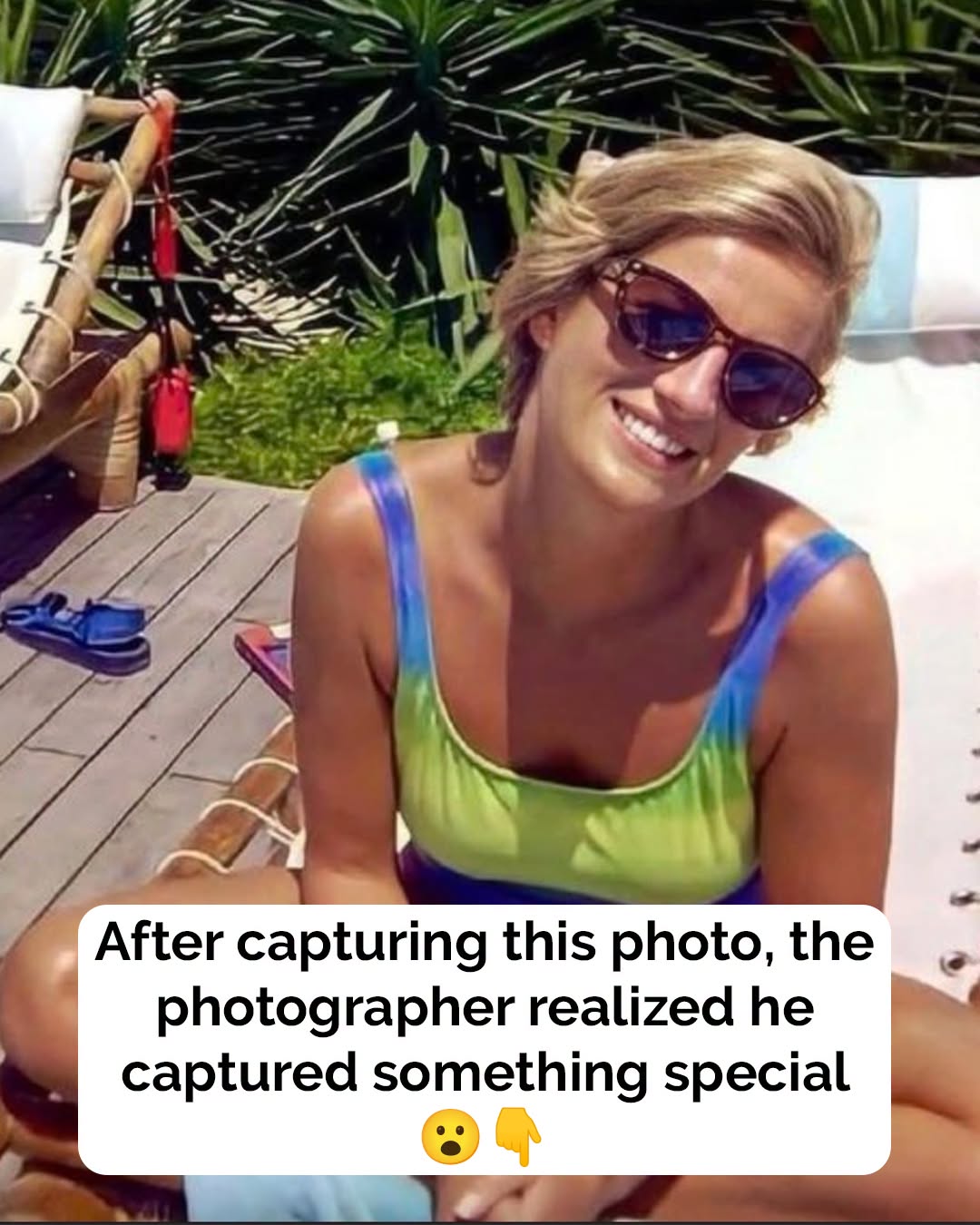
Few public figures have been photographed as extensively as Princess Diana. Throughout her life, cameras followed her at royal engagements, charity visits, family moments, and official tours. Many of those images became defining photographs of the late Princess of Wales and helped cement her reputation as one of the most admired figures of the twentieth century.
Among the thousands of photographs taken of Diana, one image from the early 1980s continues to attract attention decades later. Often described online as the “R-rated Princess Diana photo,” the picture has inspired countless headlines and speculation. In reality, the story behind the photograph is far less sensational than many internet posts suggest.
The famous image resulted from an unexpected lighting effect during an outdoor photo session, and it became an early lesson for the young Diana about life under constant public scrutiny. Understanding the true story offers a fascinating glimpse into royal history, media culture, and the challenges of living in the global spotlight.
The Photograph That Captured Worldwide Attention
The photograph was taken in 1980, before Diana married Prince Charles and officially joined the British royal family.
At the time, the 19-year-old worked as a nursery school assistant in London and was beginning to attract increasing media attention as the future wife of the heir to the British throne.
Royal photographer Arthur Edwards, who had recently started photographing the royal family, arranged a simple outdoor portrait near the nursery school where Diana worked.
The session appeared completely ordinary.
Diana stood with two children in a nearby park while photographers captured several natural, relaxed images.
However, during the session, sunlight unexpectedly shone through the lightweight fabric of her skirt, creating a silhouette effect that made her legs more visible than she had intended.
The resulting image was published on newspaper front pages around the world.

Why Diana Was Uncomfortable
Although many readers viewed the photograph as harmless, Diana herself reportedly felt embarrassed.
According to Arthur Edwards, Diana later expressed concern that people might focus more on the photograph than on who she was as a person.
She reportedly remarked that she did not want to become known as “the girlfriend who had no petticoat.”
Her reaction reflected the pressures she faced as a young woman suddenly thrust into international fame.
Rather than objecting to photography itself, Diana worried that a simple accident of lighting had become a defining public image.
Arthur Edwards Explains What Really Happened
Over the years, Arthur Edwards has repeatedly explained that the photograph was entirely unplanned.
According to his recollections, the sunlight emerged unexpectedly during the session, producing the silhouette effect that neither he nor Diana anticipated.
He has consistently rejected suggestions that the image was intentionally provocative.
Instead, he describes it as an innocent photograph whose unusual lighting transformed it into one of the most discussed royal images of its era.
His account has remained consistent in interviews over several decades.
Princess Diana and the Media
Princess Diana’s relationship with the media was complicated.
She understood that photography played an important role in royal life and generally cooperated with accredited press photographers during official engagements.
Several royal photographers later explained that Diana distinguished between photographers covering scheduled events and paparazzi pursuing private moments.
As her popularity grew, however, media attention became increasingly intense.
Every public appearance generated enormous international interest, making privacy increasingly difficult to maintain.
The famous nursery school photograph became one of the earliest examples of how even an innocent image could generate worldwide headlines.
A Fashion Icon Under Constant Observation
Princess Diana was widely recognized as one of the defining fashion icons of the 1980s and 1990s.
Her clothing choices influenced designers, magazines, and millions of admirers worldwide.
From elegant evening gowns to tailored suits and casual outfits, Diana’s style combined sophistication with accessibility.
Because of this influence, even small wardrobe details frequently became major news stories.
The silhouette photograph illustrates how quickly fashion and photography could become international conversation topics.
The Science Behind Photography and Lighting
Professional photographers understand that lighting dramatically influences how clothing appears on camera.
Several factors contribute to unexpected visual effects, including:
-
Sunlight direction
-
Fabric thickness
-
Camera angle
-
Background brightness
-
Exposure settings
Backlighting, in particular, can create silhouettes by allowing light to pass through lighter-colored fabrics.
This optical effect is common in outdoor photography and does not necessarily reflect what observers see with the naked eye.
Understanding these photographic principles helps explain why the famous Diana image appeared different from what participants expected during the photo session.
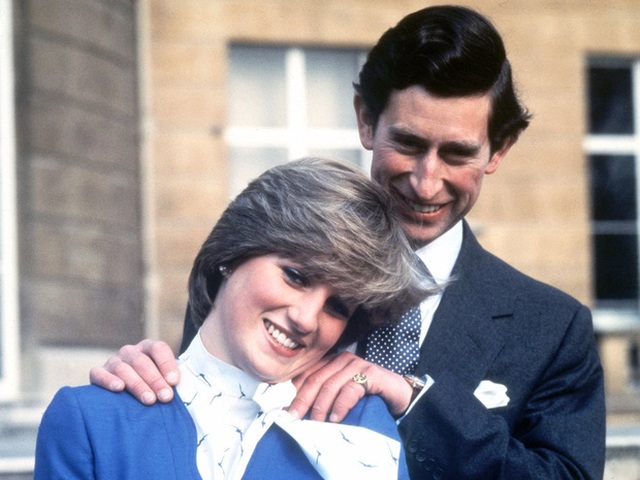
Myth vs. Reality
Myth: Princess Diana Intentionally Created a Provocative Photograph
Reality:
According to the photographer, the lighting effect occurred unexpectedly during a routine portrait session.
Myth: The Image Was Considered Scandalous by Modern Standards
Reality:
Although Diana personally found the image embarrassing, it contained no explicit content. Much of the later “R-rated” description comes from modern internet headlines rather than the photograph itself.
Myth: The Photograph Defined Diana’s Public Image
Reality:
While widely discussed at the time, the image represents only a small chapter in a life remembered primarily for humanitarian work, compassion, and public service.
Beyond the Headlines
As Princess Diana’s public role expanded, her accomplishments extended far beyond fashion or photography.
She became internationally respected for supporting charitable organizations working in areas including:
-
Children’s welfare
-
Homelessness
-
HIV/AIDS awareness
-
Cancer care
-
Mental health awareness
-
Landmine advocacy
Her compassionate approach to meeting people often challenged traditional royal conventions and strengthened public support for humanitarian causes.
Today, historians generally regard these contributions as the defining aspects of her legacy.
Diana’s Sense of Humor
Although many people remember Diana for her elegance and charitable work, friends frequently described her as warm, playful, and possessing an excellent sense of humor.
Private correspondence released over the years has occasionally revealed this lighter side of her personality.
Greeting cards exchanged with close friends, for example, included playful jokes and humorous messages that reflected relaxed friendships rather than formal royal life.
These personal moments help present a fuller picture of Diana beyond the carefully photographed public image.
Her Lasting Influence
Nearly three decades after her passing, Princess Diana continues to inspire admiration around the world.
Her sons, Prince William and Prince Harry, have each spoken publicly about the influence their mother had on their lives.
Both have also supported charitable initiatives reflecting causes that mattered deeply to Diana.
Prince William’s environmental work through the Earthshot Prize and Prince Harry’s Invictus Games both reflect broader themes of compassion, service, and positive social impact.
Many royal commentators also note that William’s approachable public style reminds observers of his mother’s warmth and ability to connect with people from all walks of life.
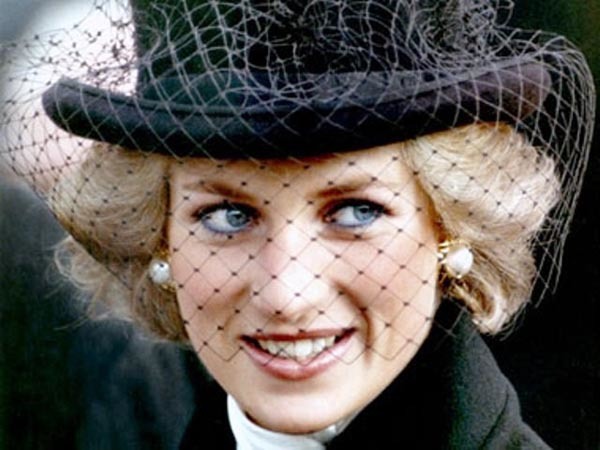
Why This Photograph Still Fascinates People
The continued interest in the famous nursery school photograph reflects several enduring themes.
It captures Diana before she became Princess of Wales.
It illustrates the intense media attention surrounding the royal family.
It demonstrates how a simple photographic moment can become part of cultural history.
Most importantly, it reminds audiences that even globally admired public figures experience moments of embarrassment and vulnerability.
These qualities helped many people relate to Diana throughout her life.
Conclusion
The so-called “R-rated” Princess Diana photograph has generated attention for decades, but the truth behind the image is much simpler than many modern headlines suggest. According to photographer Arthur Edwards, the famous silhouette resulted from an unexpected combination of sunlight and fabric during an otherwise ordinary portrait session.
Rather than defining Diana’s legacy, the photograph serves as an early example of the extraordinary media attention she would experience throughout her life. Her lasting impact comes not from a single image but from her compassion, humanitarian work, and ability to connect with people across cultures and generations.
Human curiosity naturally keeps iconic photographs alive long after they are taken. Yet the most enduring legacy of Princess Diana lies beyond any single picture. It is found in the kindness she showed others, the charitable causes she championed, and the inspiration she continues to provide to millions around the world.
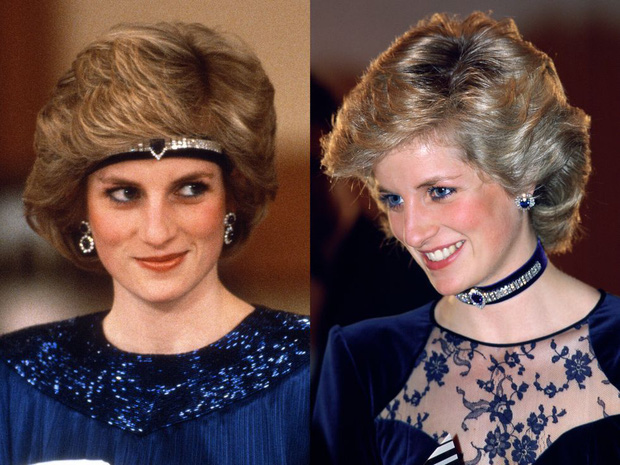
Sources
-
Newsner – The Truth Behind “R-Rated” Princess Diana Photo.
-
Arthur Edwards interviews (Today)
-
Getty Images Archive
-
Historic Royal Palaces
-
The Royal Collection Trust
-
BBC News – Princess Diana archives
-
Biography.com – Princess Diana
-
Encyclopaedia Britannica – Diana, Princess of Wales