
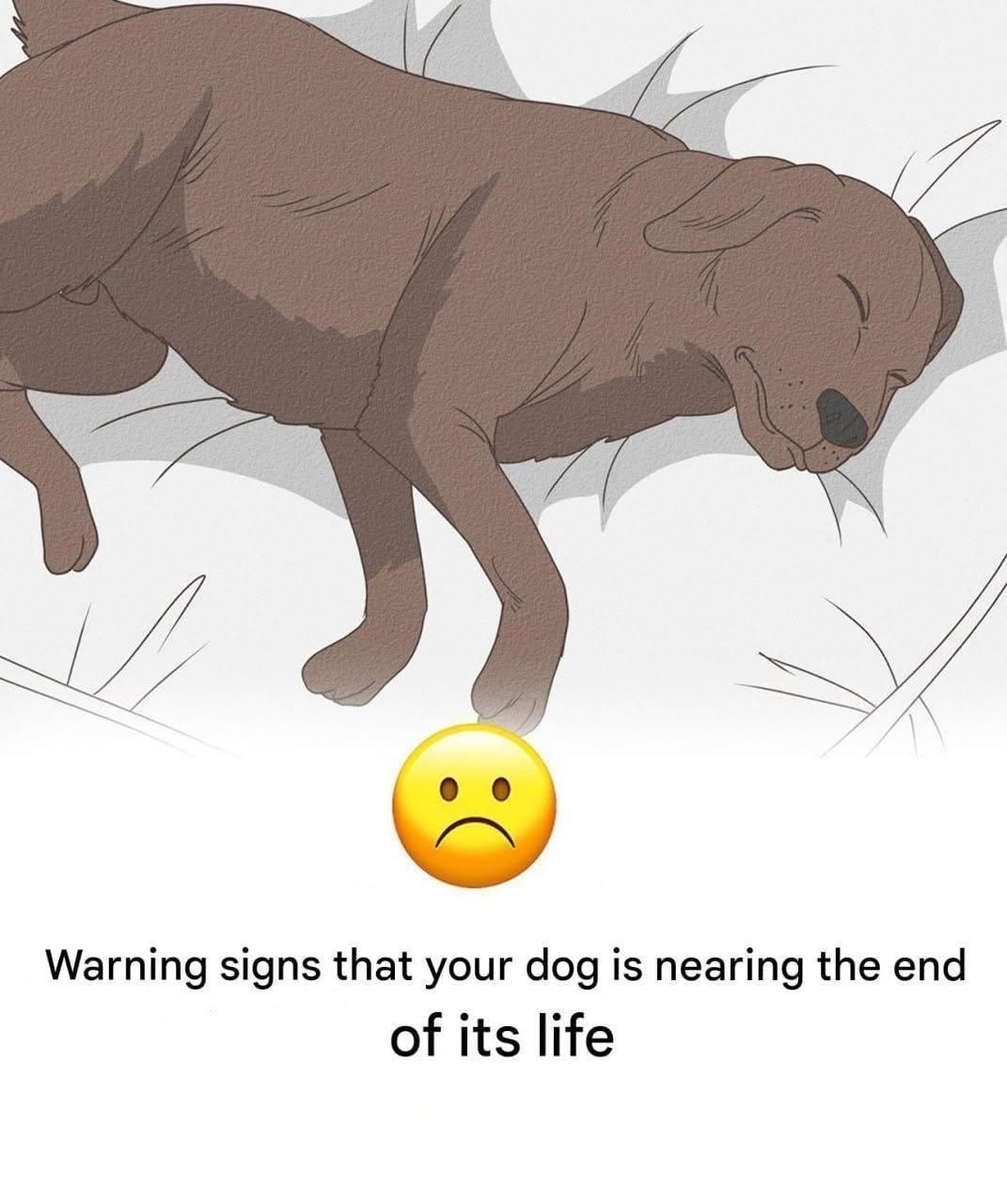
Few relationships are as loyal and unconditional as the bond between a person and their dog. Through morning walks, family celebrations, quiet evenings, and countless everyday moments, dogs become cherished members of the household. As the years pass, however, even the most energetic companion begins to slow down.
Watching an aging dog change can be emotional, and many pet owners wonder whether these changes are simply part of growing older or signs that their companion may need additional care. While no single symptom can determine a dog’s health or life expectancy, recognizing age-related changes early allows owners to work closely with a veterinarian to provide the best possible quality of life.
This article explores common signs that may appear in senior dogs, explains the science behind healthy aging, and offers practical ways to support your canine companion with comfort, patience, and love.
Understanding the Aging Process in Dogs
Like humans, dogs experience gradual physical and behavioral changes as they age. The pace of aging depends on several factors, including breed, genetics, body size, nutrition, exercise, and overall health.
Larger breeds often reach their senior years earlier than smaller breeds, but every dog follows its own unique aging journey.
Many age-related changes are manageable with appropriate veterinary care and lifestyle adjustments.
1. Reduced Energy Levels
One of the earliest signs many owners notice is a decrease in energy.
A dog that once eagerly chased balls or enjoyed long hikes may begin preferring shorter walks and more frequent naps.
This change does not automatically indicate a serious medical condition. Aging naturally affects muscle strength, joint flexibility, and stamina.
Supporting your dog may include:
- Shorter but regular walks
- Comfortable resting areas
- Gentle daily exercise
- Avoiding excessive physical strain
2. Sleeping More Than Usual
Senior dogs generally spend more time sleeping than younger adults.
Extra rest helps the body recover and conserve energy.
However, if a dog becomes unusually difficult to wake, appears extremely lethargic, or suddenly changes sleeping habits, a veterinary examination is recommended to identify any underlying medical concerns.
3. Changes in Appetite
Appetite can fluctuate as dogs grow older.
Some dogs eat less because of reduced activity or changes in their sense of smell and taste.
Others may lose interest in food due to dental discomfort or other health conditions.
Owners should monitor:
- Eating habits
- Water intake
- Body weight
- Interest in favorite treats
Persistent appetite changes should always be discussed with a veterinarian.
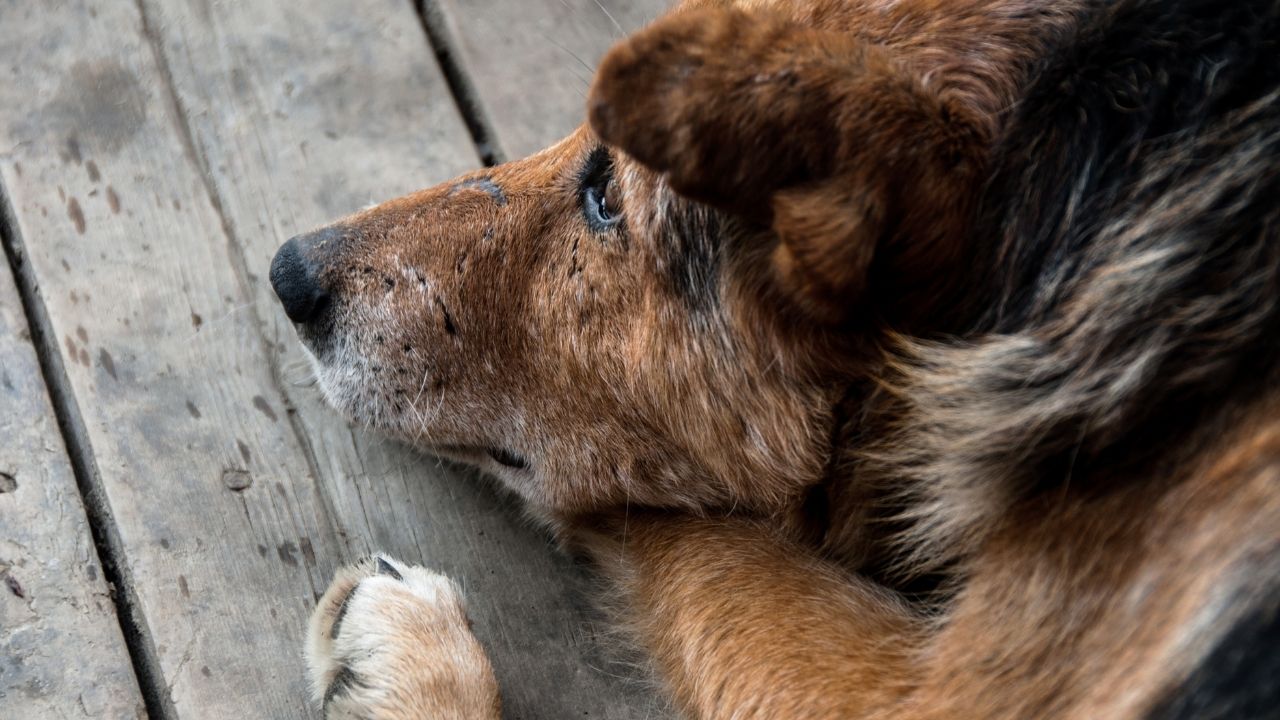
4. Weight Changes
Weight loss or weight gain may occur during the senior years.
Reduced muscle mass is common with aging, while limited activity may contribute to weight gain in some dogs.
Maintaining an appropriate body condition helps reduce stress on joints and supports overall health.
5. Mobility Becomes More Difficult
Older dogs often experience stiffness after resting.
They may hesitate before:
- Climbing stairs
- Jumping onto furniture
- Entering vehicles
- Standing after lying down
Joint changes such as osteoarthritis become increasingly common with age.
Veterinarians can recommend exercise plans, nutritional support, rehabilitation therapies, or medications when appropriate.
6. Behavioral Changes
Some senior dogs become more affectionate and seek constant companionship.
Others may prefer quieter spaces and additional personal time.
Behavioral changes may include:
- Increased clinginess
- Mild confusion
- Restlessness
- Reduced interest in play
- Increased sensitivity to unfamiliar situations
These changes often reflect normal aging, although sudden personality changes should be evaluated professionally.
7. Hearing or Vision Changes
Aging can gradually affect the senses.
Signs may include:
- Not responding when called
- Startling easily
- Bumping into furniture
- Difficulty locating toys
- Hesitation in unfamiliar environments
Simple adjustments, such as maintaining consistent furniture placement and using hand signals, can help dogs adapt.
8. Changes in Bathroom Habits
Older dogs sometimes experience changes in urinary or bowel habits.
Possible signs include:
- More frequent bathroom breaks
- Accidents indoors
- Difficulty controlling urination
- Increased thirst
Because these changes can have many different causes, veterinary assessment is important.
9. Reduced Interest in Activities
Dogs that once eagerly greeted every adventure may gradually lose enthusiasm for activities they previously enjoyed.
Instead of assuming this is simply “old age,” owners should consider whether discomfort, reduced vision, hearing changes, or other medical issues may be contributing.
Many dogs still enjoy gentle enrichment activities suited to their abilities.
10. Difficulty Maintaining Body Temperature
Senior dogs may become more sensitive to heat or cold.
Providing:
- Soft bedding
- Comfortable indoor temperatures
- Warm blankets during cooler months
- Shade during hot weather
can improve daily comfort.
11. Seeking Comfort and Familiarity
Many aging dogs become increasingly attached to familiar routines.
They often appreciate:
- Predictable schedules
- Familiar sleeping areas
- Gentle handling
- Calm environments
- Time with family members
Maintaining routine can reduce stress and help older dogs feel secure.
Supporting an Aging Dog’s Quality of Life
Growing older does not mean a dog can no longer enjoy life.
Many senior dogs continue to experience happy, fulfilling years with thoughtful care.
Helpful practices include:
Regular Veterinary Checkups
Routine examinations allow veterinarians to identify health concerns early.
Balanced Nutrition
Senior-specific diets may support changing nutritional needs.
Appropriate Exercise
Gentle movement helps maintain muscle strength and joint flexibility.
Mental Enrichment
Puzzle toys, scent games, and social interaction help keep older dogs mentally engaged.
Comfortable Living Spaces
Orthopedic beds, non-slip flooring, and easy access to food and water improve daily comfort.
The Importance of Veterinary Guidance
No list of symptoms can determine a dog’s stage of life or predict how much time remains.
Many conditions associated with aging are treatable or manageable when identified early.
If your dog experiences noticeable changes in behavior, appetite, mobility, breathing, or comfort, consulting a licensed veterinarian is the best way to determine the underlying cause and develop an appropriate care plan.
Caring for Yourself as a Pet Owner
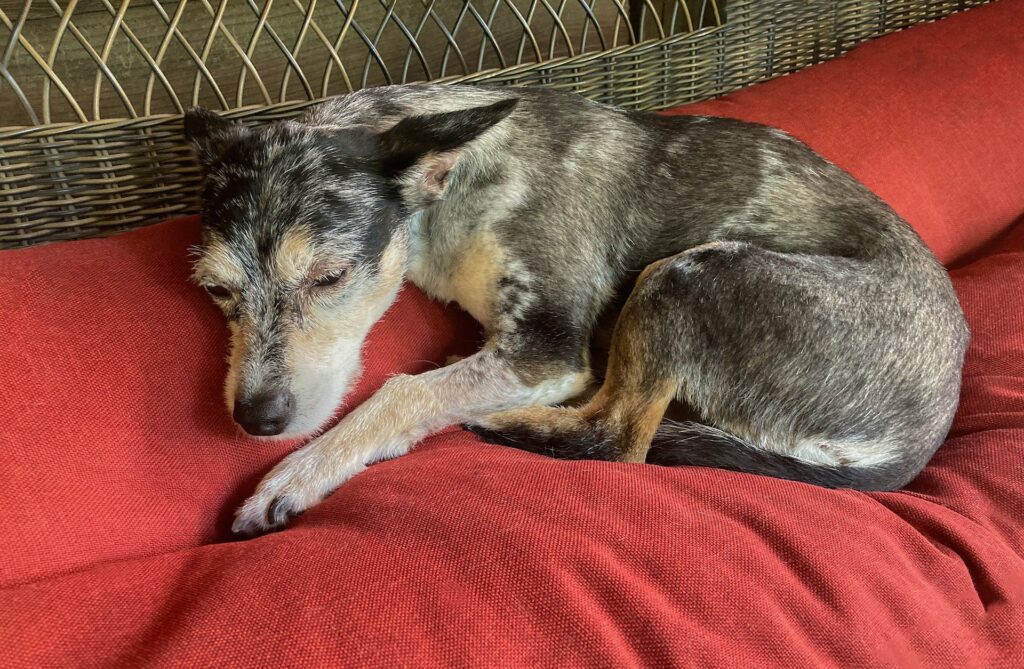
Watching a beloved companion grow older can be emotionally challenging.
Many owners experience feelings of sadness, uncertainty, or concern as their dog’s needs change.
Remember that providing patience, affection, and attentive care is one of the greatest gifts you can offer throughout every stage of your dog’s life.
Small moments—gentle walks, favorite treats approved by your veterinarian, quiet afternoons together, or simply sitting nearby—often become meaningful memories for both pets and their families.
Conclusion
Every dog ages differently, and the signs of growing older are not always indicators that the end of life is near. More often, they are reminders that our companions need adjustments in care, increased comfort, and continued companionship. By recognizing changes early and working closely with veterinary professionals, owners can help senior dogs enjoy their later years with dignity and a good quality of life.
Human curiosity often leads us to search for answers about the pets we love most. While we cannot stop the passage of time, understanding the aging process allows us to respond with knowledge, compassion, and gratitude for the years of loyalty, friendship, and unconditional love our dogs so generously share.
Sources
- American Veterinary Medical Association (AVMA). https://www.avma.org/
- American Animal Hospital Association (AAHA). https://www.aaha.org/
- Merck Veterinary Manual. https://www.merckvetmanual.com/
- Cornell University College of Veterinary Medicine. https://www.vet.cornell.edu/
- VCA Animal Hospitals. https://vcahospitals.com/
- Best Food (article inspiration). 11 Signs Your Dog is Nearing the End of His Life (inspirational overview; veterinary guidance should take precedence).