
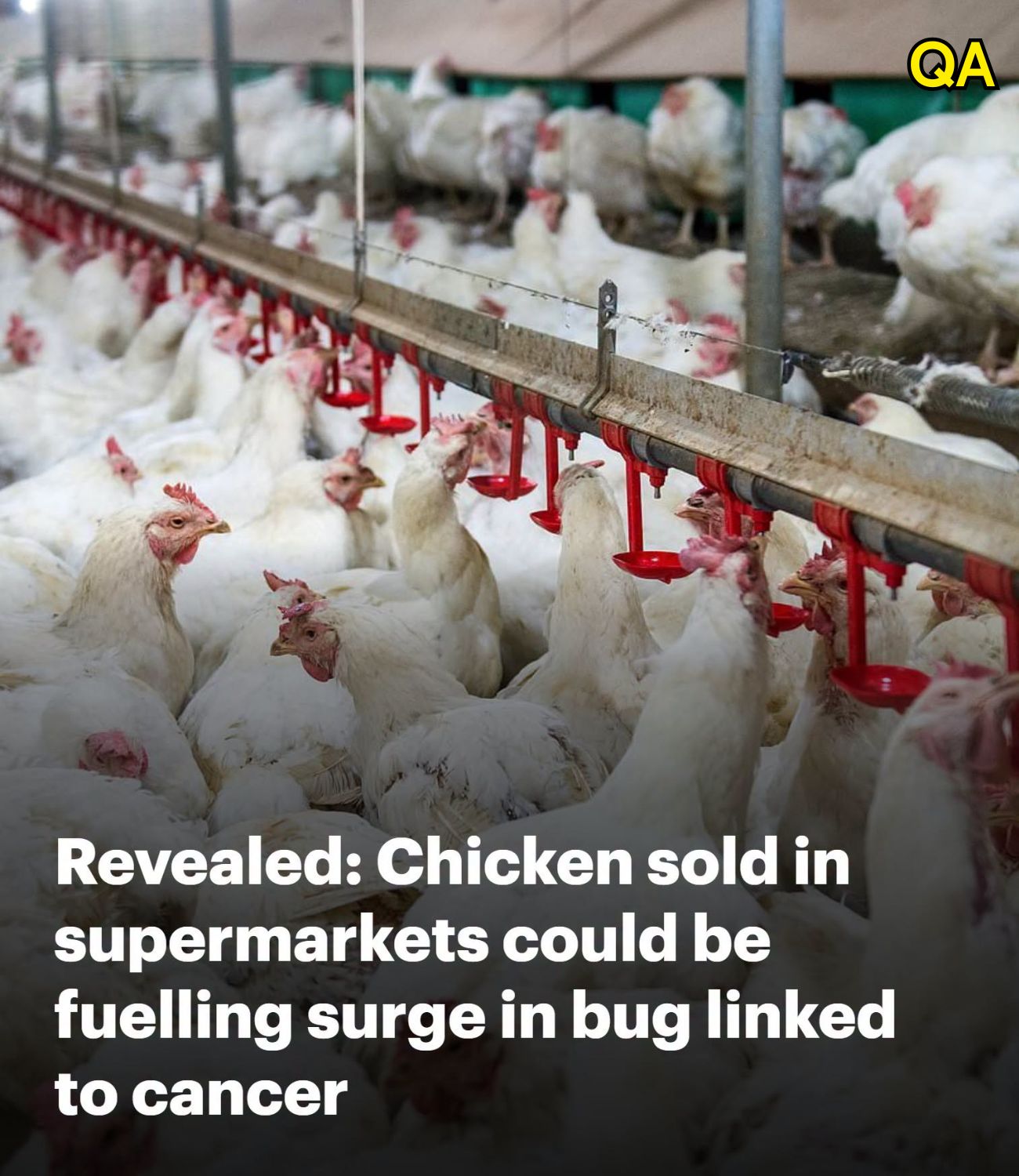
Chicken is one of the world’s most popular and affordable sources of protein, appearing on dinner tables across countless households every day. Most people prepare it without giving much thought to the microscopic organisms that naturally exist in poultry production. Yet food safety experts have long emphasized one important rule: proper handling and thorough cooking matter.
A new scientific study has renewed interest in one of the most common foodborne bacteria associated with poultry—Campylobacter. Researchers from the University of Oxford suggest that changes in modern poultry farming may have helped the bacteria adapt and spread more efficiently among commercial chicken flocks.
While the findings raise important questions about food production and public health, experts also stress that consumers should not panic. Instead, the research highlights the importance of continued monitoring, improved farming practices, and safe food preparation at home.
What Is Campylobacter?
Campylobacter is a group of bacteria that commonly lives in the digestive systems of birds and other animals.
It is one of the leading causes of bacterial foodborne illness in many countries. People are most commonly exposed through:
- Undercooked poultry
- Cross-contamination during food preparation
- Contaminated water
- Unpasteurized milk in some cases
Most infections are mild and resolve without complications, although some individuals may experience more severe illness, particularly older adults, young children, and people with weakened immune systems.

What Did the New Oxford Study Find?
Researchers analyzed nearly 2,750 Campylobacter samples collected from commercial chickens and wild birds across 30 countries over approximately 45 years.
By examining the bacteria’s genetic makeup, they observed significant evolutionary changes over time.
According to the researchers, Campylobacter appears to have become increasingly adapted to commercial poultry environments.
The study suggests there has been a substantial increase in bacterial movement between wild birds and commercial chicken populations during the past several decades.
Rather than identifying a new bacterium, the research focuses on how existing bacteria may evolve as farming practices and animal populations change.
Why Commercial Poultry Farms Matter
Modern poultry farming has changed dramatically over the past several decades.
Worldwide, billions of chickens are raised annually to meet growing consumer demand.
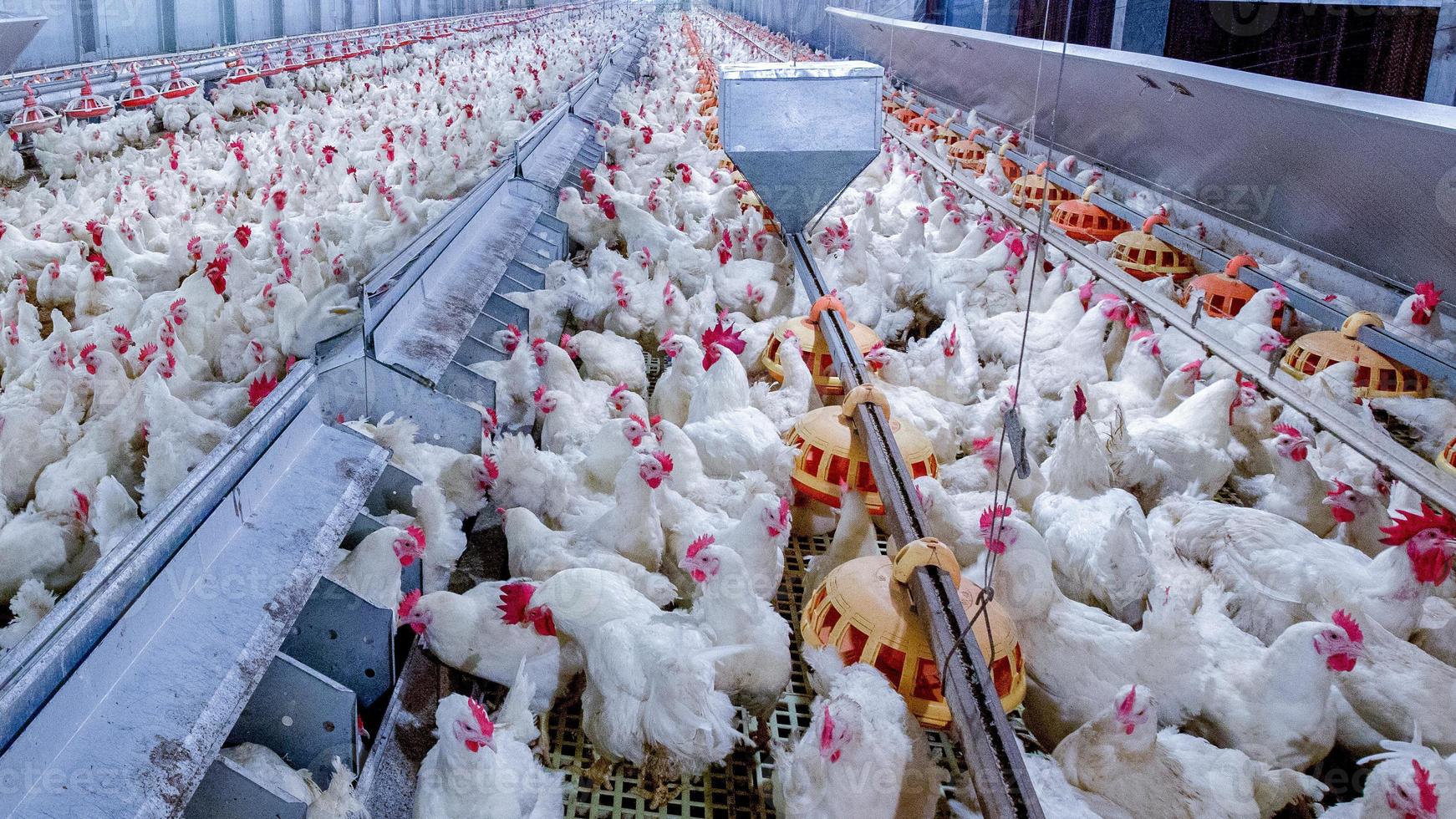
Researchers suggest that large commercial flocks may provide favorable conditions for bacteria to circulate among birds because:
- Large numbers of birds live close together.
- Bacteria can spread efficiently within flocks.
- Different bacterial strains have opportunities to exchange genetic material.
- Natural evolutionary changes may occur over time.
The researchers describe this as an ecological environment that can influence bacterial evolution rather than a direct cause of disease.
Understanding Antimicrobial Resistance
One important finding involved antimicrobial resistance.
This occurs when bacteria gradually develop the ability to survive medications that once effectively controlled them.
Antimicrobial resistance is recognized globally as a significant public health challenge because it can make some infections more difficult to treat.
The study suggests that continued monitoring of bacterial evolution in food animals remains important for protecting both animal and human health.

How Campylobacter Affects People
Most Campylobacter infections cause temporary digestive illness.
Common symptoms may include:
- Diarrhea
- Stomach cramps
- Fever
- Nausea
- Vomiting
Symptoms usually develop within a few days after exposure and improve within about a week for most healthy individuals.
Anyone experiencing persistent symptoms or severe illness should seek medical advice promptly.
Research Into Long-Term Health Effects
Scientists continue investigating whether certain bacterial infections may influence long-term health under specific circumstances.
Some laboratory studies have explored whether toxins produced by Campylobacter might interact with existing bowel cancer cells.
However, it is important to understand what current research does—and does not—show.
Current evidence does not indicate that Campylobacter directly causes bowel cancer.
Instead, some experimental studies suggest the bacteria may influence biological processes in existing cancer cells under laboratory conditions. Researchers continue studying these mechanisms, and additional research is needed before firm conclusions can be drawn.
Food Safety Remains the Best Protection
Fortunately, simple kitchen practices can greatly reduce the risk of Campylobacter infection.
Health authorities generally recommend:
Cook Chicken Thoroughly
Ensure poultry reaches a safe internal temperature before serving.
Prevent Cross-Contamination
Use separate cutting boards and utensils for raw poultry and ready-to-eat foods.
Wash Hands Carefully
Wash hands with soap and water after handling raw poultry.
Store Food Properly
Keep raw poultry refrigerated and separate from other foods.
Clean Kitchen Surfaces
Disinfect countertops, knives, and preparation areas after contact with raw meat.
These everyday habits remain among the most effective ways to reduce foodborne illness.
Why Scientists Continue Monitoring Foodborne Bacteria
Food systems evolve continuously.
As farming practices, transportation networks, and consumer demand change, scientists monitor how bacteria adapt over time.
This surveillance helps researchers:
- Improve food safety standards.
- Detect emerging bacterial strains.
- Monitor antimicrobial resistance.
- Inform public health recommendations.
- Support safer agricultural practices.
Ongoing research allows health authorities to respond proactively rather than react only after problems emerge.
What the Study Does Not Mean
The findings should be interpreted carefully.
The research does not suggest that:
- All chicken is unsafe.
- Consumers should stop eating poultry.
- Every Campylobacter infection becomes severe.
- Commercial farming alone explains bacterial evolution.
Instead, the study contributes to scientists’ understanding of how bacteria naturally adapt within changing environments.
The Role of Consumers and Industry
Food safety is a shared responsibility.
Producers continue working to improve biosecurity, hygiene, and monitoring throughout poultry production.
At the same time, consumers play an important role by following recommended food-handling practices in their own kitchens.
Together, these efforts help reduce the risk of foodborne illness.
Conclusion
The latest research from the University of Oxford offers valuable insight into how Campylobacter has evolved alongside modern poultry production. Rather than providing a cause for alarm, the findings highlight the importance of continued scientific research, responsible farming practices, and careful food preparation.
Human curiosity drives us to better understand the invisible world of bacteria and how it interacts with our food systems. Each new study adds another piece to a much larger scientific puzzle, helping researchers, farmers, health professionals, and consumers work together toward safer food and healthier communities.
Sources
- University of Oxford – Research on Campylobacter evolution in commercial poultry.
- Proceedings of the National Academy of Sciences (PNAS) – Published study on bacterial evolution in poultry populations.
- UK Health Security Agency – Information on Campylobacter infection and food safety.
- Food Standards Agency – Guidance on safe poultry handling and cooking.
- Cell Host & Microbe – Research exploring interactions between Campylobacter toxins and colorectal cancer cells.
- Daily Mail – Summary of the Oxford study and expert commentary.