
A visit to the zoo is often an exciting opportunity for families to learn about wildlife, conservation, and the natural world. Every year, millions of visitors safely explore animal exhibits designed to educate the public while protecting both people and animals. When an unusual incident occurs, it naturally attracts widespread attention and raises important questions about visitor safety and emergency response.
In June 2026, authorities in Cambridgeshire, England, responded to a serious incident involving a three-year-old child inside a crocodile enclosure at Johnsons of Old Hurst. As investigators continue examining the circumstances, the event has prompted discussions about zoo safety procedures, emergency preparedness, and the importance of maintaining secure environments around potentially dangerous wildlife.
This article summarizes the confirmed information currently available, explores how accredited zoos manage animal safety, and highlights the broader lessons that can help protect visitors in wildlife facilities around the world.
What Happened at Johnsons of Old Hurst?
According to Cambridgeshire Police and multiple news reports, emergency services responded to an incident on June 18, 2026, at the Tropical House attraction within Johnsons of Old Hurst near Huntingdon, England.
Authorities stated that a three-year-old child entered a crocodile enclosure during the incident. Police later arrested a 30-year-old man from Norfolk on suspicion of attempted murder. Officers reported that the individual was later released on bail while investigations continued and noted that he had been assessed as unfit for interview at that stage of the inquiry.
Because the investigation remains ongoing, officials have not released complete details regarding the circumstances leading to the incident.

The Child’s Recovery
Following the emergency, the child was transported to Addenbrooke’s Hospital in Cambridge for specialist medical treatment.
According to updates shared by the family through a fundraising page, the child underwent multiple surgical procedures during recovery. One update explained that surgeons performed a nerve graft intended to support healing in the child’s left arm.
The family stated that doctors would need additional time before determining the long-term outcome of the procedure.
They also shared that the child’s condition had stabilized while acknowledging that recovery would require patience and ongoing rehabilitation.
Video of the Crocodile Enclosure
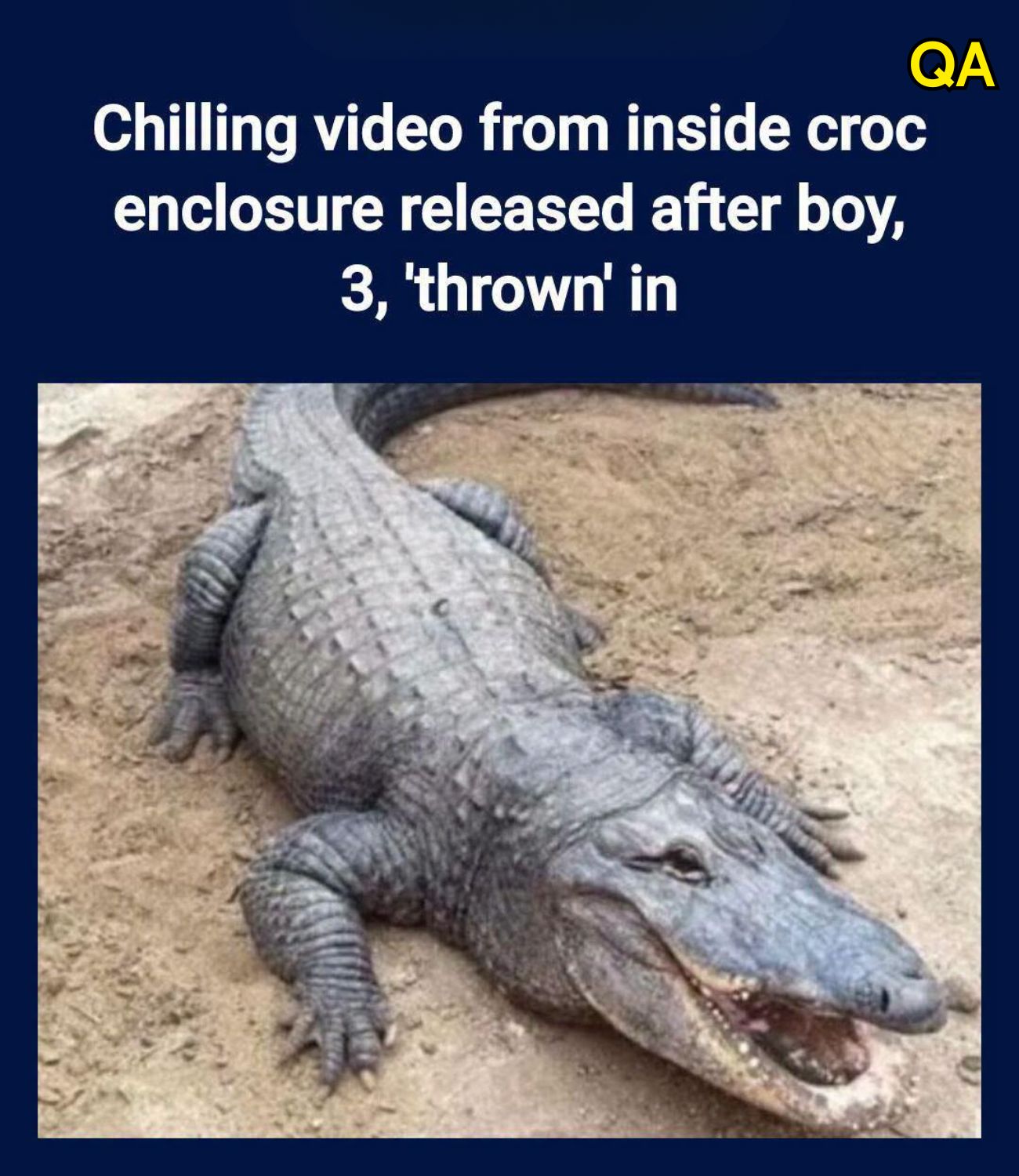
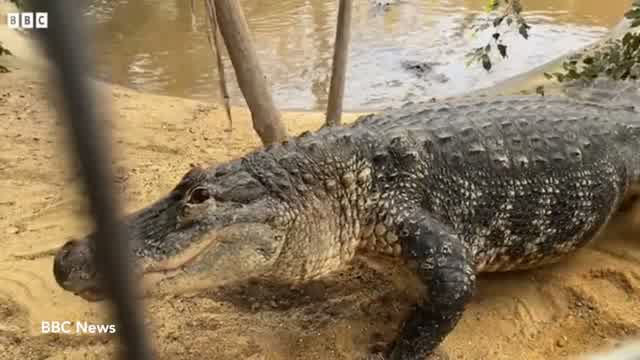
Following media coverage of the incident, previously recorded promotional footage showing the crocodile exhibit circulated online.
The video highlighted the enclosure and featured comments from the attraction’s owner describing crocodiles as remarkable animals and discussing their powerful vocalizations.
Although the footage attracted renewed attention after the incident, it was recorded before the event and primarily showcased the exhibit rather than documenting the emergency itself.
As with many viral videos connected to news stories, viewers should distinguish between archival material and evidence directly related to an ongoing investigation.
Emergency Response at the Zoo
Reports indicate that zoo staff acted immediately after the incident occurred.
According to media accounts, the attraction’s co-owner entered the enclosure to assist during the emergency while additional staff and emergency responders quickly arrived at the scene.
Following the incident, the Tropical House was temporarily closed while authorities conducted investigations and out of consideration for the affected family.
The attraction later reopened after the temporary closure.
Emergency planning is an important component of modern zoo operations, with staff typically receiving training to respond quickly to unexpected situations involving visitors or animals.
How Accredited Zoos Protect Visitors
Modern zoological parks are designed with multiple layers of safety.
Protective barriers separate visitors from animal habitats.
Controlled viewing areas reduce opportunities for accidental entry into restricted spaces.
Warning signs provide information about exhibit rules.
Staff monitor visitor areas throughout operating hours.
Emergency procedures are established for unusual situations.
These safety systems are regularly reviewed and updated to meet evolving professional standards.
Organizations such as the British and Irish Association of Zoos and Aquariums (BIAZA) and the World Association of Zoos and Aquariums (WAZA) promote best practices for animal care and public safety.
Why Crocodile Enclosures Require Special Design
Crocodiles are powerful reptiles with specialized habitats that require carefully engineered enclosures.
Professional facilities typically consider several factors when designing these exhibits, including:
Secure containment systems.
Clear viewing boundaries.
Controlled visitor access.
Appropriate water features.
Animal welfare requirements.
Emergency access for trained staff.
These design principles help protect both animals and visitors while allowing educational viewing opportunities.
The Importance of Ongoing Investigations
When incidents occur in public facilities, investigators carefully examine multiple sources of information before reaching conclusions.
These may include:
Witness interviews.
Security camera footage.
Physical evidence.
Site inspections.
Emergency response records.
Expert analysis.
Authorities generally avoid releasing detailed conclusions until evidence has been thoroughly evaluated.
This careful process helps ensure that findings are accurate and based on verified information.

Wildlife Education and Conservation
Although unusual incidents often receive widespread media attention, they remain extremely uncommon compared with the millions of safe zoo visits that occur each year.
Modern zoological institutions play important roles in wildlife conservation, scientific research, public education, and endangered species breeding programs.
Visitors gain opportunities to learn about ecosystems, biodiversity, and conservation efforts that may not otherwise be accessible.
Responsible facilities continually evaluate their operations to improve both animal welfare and public safety.
Lessons for Families Visiting Zoos
Families can help support safe visits by following established guidelines.
Remain together while exploring exhibits.
Observe all posted signs and barriers.
Supervise young children closely throughout the visit.
Follow instructions provided by zoo staff.
Avoid entering restricted areas under any circumstances.
Report any unusual situations to staff immediately.
These simple practices contribute to enjoyable experiences while helping protect everyone at the facility.
Balancing Public Interest with Responsible Reporting
High-profile incidents involving wildlife often generate widespread media coverage.
However, responsible reporting requires careful distinction between verified facts, official statements, and information that remains under investigation.
Avoiding unnecessary speculation respects both the investigative process and those directly affected.
It also helps readers better understand the broader context of zoo safety rather than drawing conclusions from incomplete information.

Conclusion
The incident at Johnsons of Old Hurst has prompted understandable concern and renewed discussion about safety in zoological facilities. While investigations continue, the available information highlights the importance of comprehensive emergency planning, secure exhibit design, and careful supervision within environments that house powerful wildlife.
Modern zoos are designed to balance public education with rigorous safety standards, and unusual events often lead to careful reviews aimed at strengthening existing procedures. As authorities continue their investigation, the focus remains on understanding exactly what occurred while supporting those affected.
Events like this also remind us that wildlife facilities are places where education, conservation, and safety must always work together. Through ongoing improvements, professional training, and responsible visitor behavior, zoos can continue providing meaningful opportunities for people to learn about some of the world’s most remarkable animals.
Sources
Express. Chilling video from inside croc enclosure released after boy, 3, entered enclosure.
Cambridgeshire Police. Official public statements regarding the ongoing investigation.
British and Irish Association of Zoos and Aquariums (BIAZA). Guidance on zoo standards and public safety.
World Association of Zoos and Aquariums (WAZA). Best practices for accredited zoological institutions.
Addenbrooke’s Hospital. Public information about specialist trauma and reconstructive care.