
Body art has been part of human culture for thousands of years, serving as a powerful form of personal expression. A small tattoo can represent a cherished memory, a spiritual belief, a cultural tradition, or an important life experience. Yet in today’s digital age, simple symbols are sometimes misunderstood because of viral posts or oversimplified online claims.
One design that frequently sparks curiosity is the three-dot tattoo. Social media and internet articles often present it as having a single meaning, leading some people to assume that anyone with three dots on their skin shares the same background or intentions. In reality, the meaning of this minimalist tattoo is far more complex.
Like many symbols, the three-dot tattoo has been used in different cultures, communities, and personal contexts. While it has historical associations with certain subcultures, it is also widely chosen for family, spirituality, personal growth, and artistic expression. Understanding these multiple interpretations helps replace assumptions with informed perspective.
What Is a Three-Dot Tattoo?
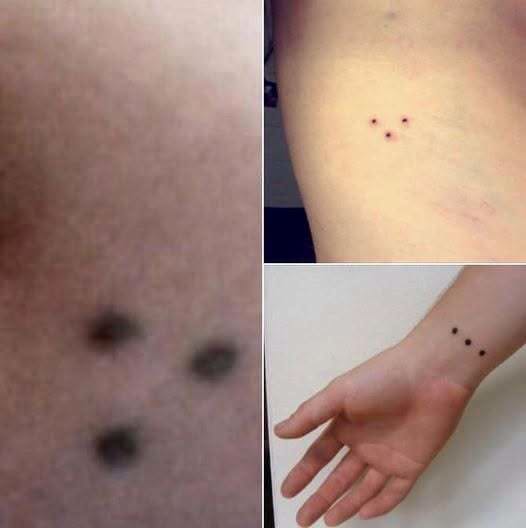
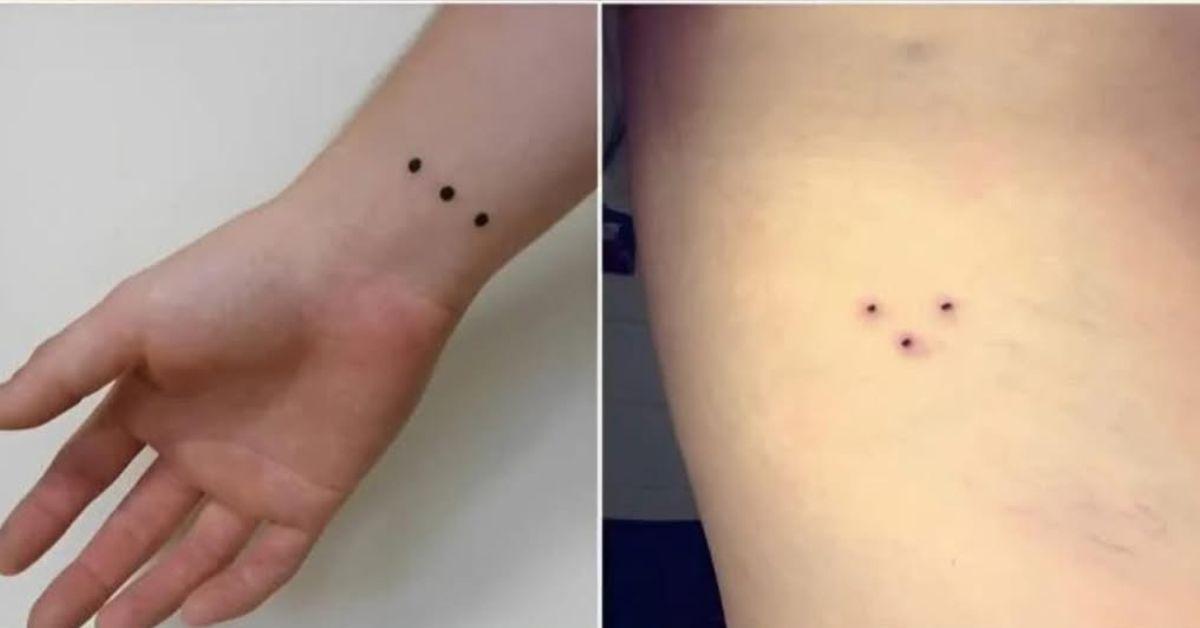
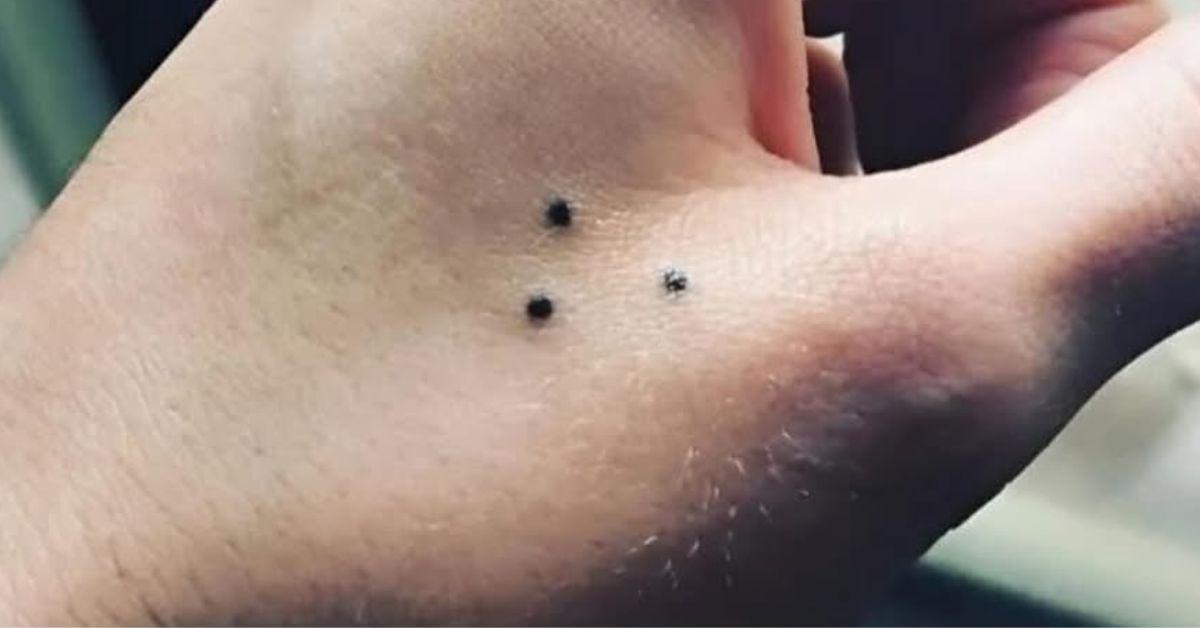
A three-dot tattoo typically consists of three small dots arranged in either a triangular formation or a straight line.
Because of its simple design, it has become one of the most recognizable minimalist tattoos worldwide.
The placement varies greatly and may include the hand, wrist, finger, face, ankle, or other parts of the body. However, placement alone does not determine meaning.
Like most tattoos, its significance depends entirely on the individual who wears it.
Why One Symbol Can Have Many Meanings
Symbols naturally evolve over time.
The same design may represent different ideas across countries, cultures, generations, and personal experiences.
For example, a simple cross may symbolize faith, remembrance, heritage, or artistic style depending on the individual.
The three-dot tattoo follows the same pattern.
There is no single universal definition, making context essential before drawing conclusions.
Historical Association with “Mi Vida Loca”
One of the most widely discussed interpretations comes from the Spanish phrase “Mi Vida Loca,” meaning “My Crazy Life.”
Historically, this phrase has appeared in certain subcultures and has sometimes been associated with difficult life experiences or particular groups in some regions.
Importantly, the three-dot tattoo itself is not a universal indicator of criminal activity, nor does it automatically identify someone with any specific affiliation.
Law enforcement agencies and researchers have long noted that tattoos alone cannot reliably determine a person’s background, intentions, or associations. Context, additional evidence, and individual circumstances always matter.
Reducing every three-dot tattoo to one historical association oversimplifies a much more complex reality.
A Symbol of Personal Resilience
For many people, the tattoo represents overcoming adversity rather than identifying with any group.
Some individuals choose three dots to symbolize difficult chapters in life that ultimately led to personal growth.
The design may remind them of challenges they have overcome, lessons they have learned, or the resilience they discovered during hard times.
Because the tattoo is discreet, it often serves as a private reminder rather than a public statement.
Only the wearer fully understands its meaning.
Family and Loved Ones
Another common interpretation centers on family.
Three dots may represent:
Three children.
Three siblings.
Three generations.
Parents and child.
Three important people in someone’s life.
The simplicity of the design makes it an elegant tribute without revealing deeply personal details to strangers.
Many minimalist tattoo enthusiasts prefer symbols that carry emotional significance while remaining visually understated.
Spiritual and Philosophical Meanings
The number three holds symbolic importance in many belief systems.
Depending on personal beliefs, three dots may represent concepts such as:
Past, present, and future.
Mind, body, and spirit.
Beginning, middle, and end.
Growth, balance, and harmony.
Some people choose the design as a daily reminder to remain balanced or focused on personal values.
Others simply appreciate the symbolic richness associated with the number three throughout history.
A Popular Minimalist Tattoo
Minimalist tattoos have become increasingly popular over the past decade.
Many people are drawn to simple geometric designs because they are timeless, subtle, and versatile.
The three-dot tattoo fits perfectly within this trend.
Its clean appearance allows it to blend naturally with other minimalist artwork while remaining meaningful to the individual.
For some, the design is chosen purely for aesthetic reasons rather than symbolic ones.
Artistic appreciation is itself a perfectly valid motivation for getting a tattoo.
Why Assumptions Can Be Misleading
One of the biggest misconceptions surrounding tattoos is the belief that appearance alone reveals someone’s identity.
In reality, tattoos tell only a small part of a person’s story.
Two individuals with identical tattoos may have completely different reasons for choosing the design.
Judging someone based solely on body art ignores the complexity of human experience.
Respectful curiosity often leads to greater understanding than assumptions based on internet rumors or stereotypes.
How Tattoo Meanings Change Over Time
Symbols rarely remain fixed forever.
As cultures evolve, meanings often shift.
Some tattoos once associated with specific communities later become mainstream fashion.
Others develop entirely new interpretations as younger generations adopt them.
The three-dot tattoo illustrates this evolution well.
Today, it may represent personal memories, artistic style, spirituality, resilience, family, or other deeply individual meanings.
This flexibility explains why no single explanation can accurately describe every wearer.
Understanding Tattoos Through Conversation
If someone is comfortable discussing their tattoo, the best way to understand its meaning is simply to ask respectfully.
Many people enjoy sharing the stories behind their body art.
Others prefer to keep those meanings private.
Both choices deserve respect.
Remember that tattoos are deeply personal forms of expression, and individuals are never obligated to explain them.
Listening without assumptions creates more meaningful conversations than relying on stereotypes.
Looking Beyond Appearances
Human beings express themselves through clothing, hairstyles, jewelry, art, language, and tattoos.
None of these forms of expression fully define character.
A person’s values are demonstrated through kindness, honesty, responsibility, and everyday actions—not through a single symbol.
Approaching others with openness rather than judgment encourages stronger communities built on understanding rather than misconceptions.
Conclusion
The three-dot tattoo is a perfect example of how simple symbols can carry many different meanings. While it has historical connections to certain subcultures in some contexts, it is equally associated with family, personal resilience, spirituality, philosophical ideas, and minimalist artistic expression.
Understanding these multiple interpretations reminds us that symbols should never be viewed in isolation. Every tattoo tells a unique story shaped by the experiences, beliefs, and memories of the person who chose it. By recognizing this complexity, we move beyond stereotypes and develop a more thoughtful appreciation for one of humanity’s oldest forms of self-expression.
Ultimately, the most meaningful way to understand any tattoo is not through assumptions but through respect, empathy, and an awareness that every individual has a story far richer than a single design can ever fully express.

Sources
Encyclopaedia Britannica. Tattoo.
Smithsonian Magazine. Articles on the cultural history of tattooing.
American Academy of Dermatology (AAD). Information on tattoos and skin health.
The British Museum. Resources on the history of body art across civilizations.
Pew Research Center. Studies on tattoos and public perceptions.