


Emergency medical transport is one of the most time-sensitive services in modern healthcare. Every day, ambulance crews travel through challenging weather, heavy traffic, and unpredictable road conditions to ensure patients receive the care they need as quickly as possible.
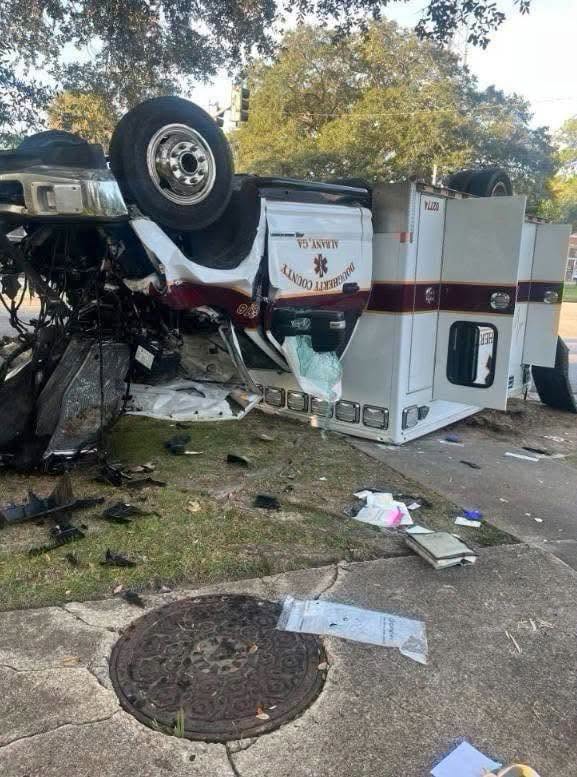
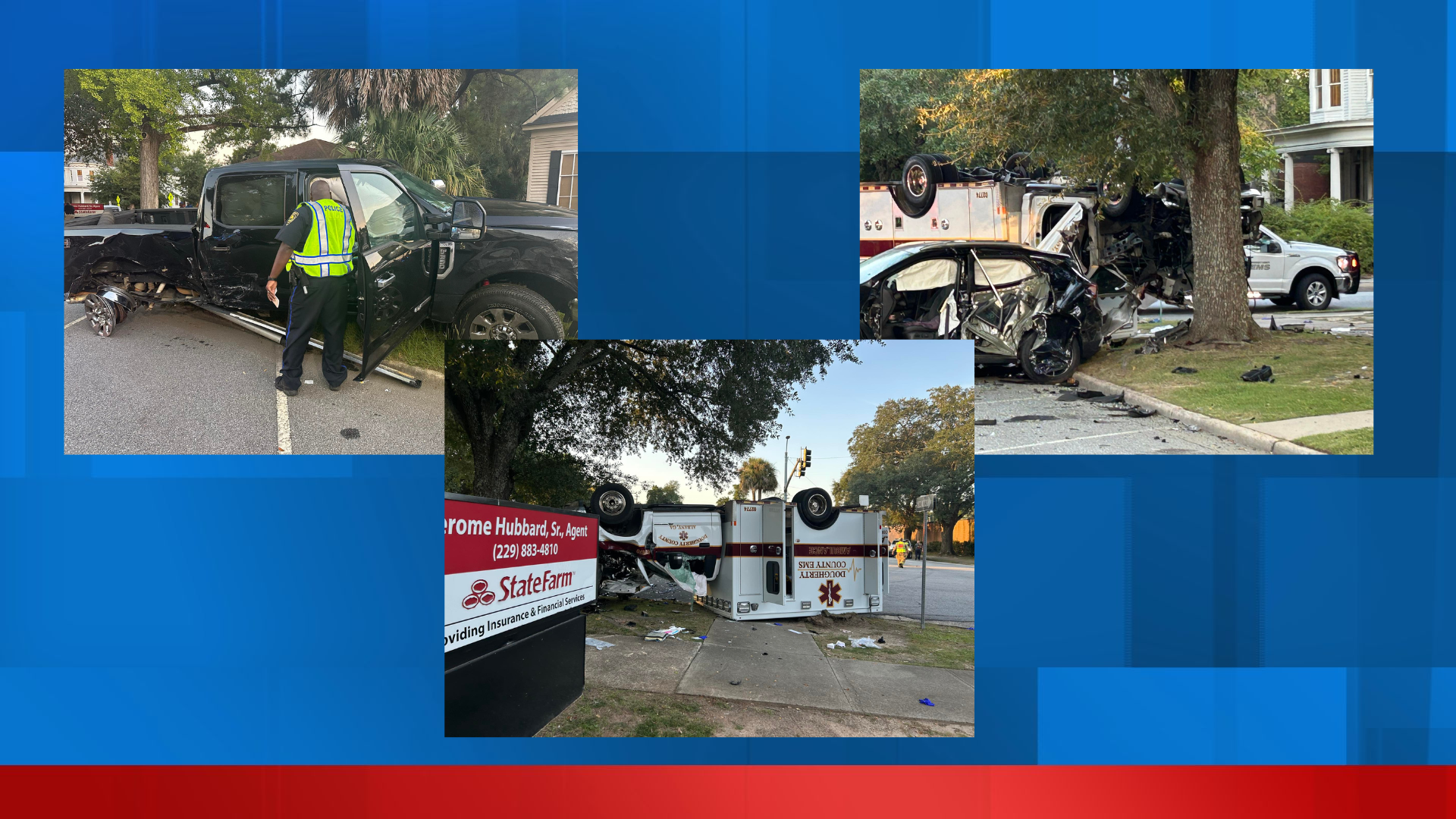
A viral online story describes a newborn being transported to a hospital when the ambulance was reportedly involved in a rollover crash. While the dramatic article uses highly emotional language and contains limited verifiable details, it draws attention to important real-world topics, including ambulance safety, emergency response, teamwork, and the dedication of healthcare professionals.
Rather than focusing on sensational elements, this article explores what emergency medical transport involves, how responders prepare for difficult situations, and why continuous improvements in safety remain a priority.
What the Viral Story Claims
According to the online article, an ambulance transporting a newborn encountered severe weather while traveling to a hospital. The story claims the vehicle lost control, rolled over, and required a complex rescue operation involving firefighters, police officers, and additional emergency medical teams.
The article further states that:
-
Medical personnel worked to protect the infant during the crash.
-
Multiple occupants required medical evaluation.
-
Secondary emergency crews quickly arrived at the scene.
-
Investigators later examined road conditions and vehicle data.
-
All occupants were expected to recover.
Because the article provides no official location, agency names, dates, or independently confirmed reports, readers should view these claims cautiously unless supported by verified information from local authorities or reputable news organizations.

Why Safe Medical Transport Matters
Every ambulance journey involves balancing two priorities:
-
Reaching medical care as quickly as possible.
-
Keeping patients, crews, and other road users safe.
Emergency vehicle drivers receive specialized training that differs significantly from ordinary driving. They must continuously evaluate traffic, weather, road conditions, and patient needs while following local emergency response protocols.
Even with extensive preparation, difficult road conditions may increase driving challenges, which is why emergency services continually review procedures and training.
How Ambulance Teams Prepare for Critical Patients
Transporting newborns requires specialized equipment and highly trained professionals.
Depending on the patient’s condition, a neonatal transport team may include:
-
Emergency medical technicians
-
Paramedics
-
Neonatal nurses
-
Respiratory therapists
-
Neonatal physicians
These professionals work together to monitor breathing, heart rate, temperature, and other vital signs throughout transport.
Their primary objective is maintaining a stable environment until the infant reaches the receiving hospital.
Specialized Equipment for Newborn Transport
Modern neonatal ambulances are equipped with advanced medical technology designed specifically for infants.
Common equipment includes:
-
Transport incubators
-
Cardiac monitors
-
Ventilators
-
Oxygen delivery systems
-
Temperature regulation equipment
-
Medication pumps
Each piece of equipment is carefully secured to minimize movement during transport.
Regular inspections help ensure these systems remain ready for emergency use.
Road Conditions and Emergency Driving
Weather can significantly affect road safety.
Heavy rain may reduce visibility, decrease tire traction, and increase stopping distances.
Emergency drivers must continually assess conditions while adjusting speed and driving techniques accordingly.
Professional driver training emphasizes that patient safety remains the highest priority, even during urgent transports.
How Emergency Agencies Respond to Vehicle Crashes
If an emergency vehicle is involved in a collision, established procedures typically include:
-
Dispatching additional emergency units.
-
Securing the scene.
-
Assessing all occupants.
-
Providing replacement transport if necessary.
-
Coordinating communication with receiving hospitals.
-
Documenting the incident for investigation.
These coordinated responses help minimize delays in patient care.
The Importance of Teamwork
Emergency medicine depends on teamwork.
Drivers, paramedics, nurses, physicians, firefighters, police officers, and hospital staff each contribute specialized expertise.
During unexpected events, clear communication and coordinated decision-making become especially important.
Training exercises regularly prepare responders for complex situations that require multiple agencies working together.
Investigating Transportation Incidents
Whenever an emergency vehicle is involved in a serious incident, investigators carefully examine numerous factors.
These may include:
-
Weather conditions.
-
Road surface.
-
Vehicle maintenance records.
-
Driver actions.
-
Traffic conditions.
-
Mechanical systems.
-
Available video or electronic data.
The purpose of these investigations is to understand what occurred and identify opportunities to improve future safety.
Continuous Improvements in Ambulance Safety
Emergency medical services continue investing in new technologies designed to improve safety.
Examples include:
-
Electronic stability control.
-
Advanced braking systems.
-
Improved occupant restraints.
-
Better equipment mounting systems.
-
Enhanced driver education.
-
Route planning technology.
Many agencies also conduct regular reviews of emergency driving policies to reduce unnecessary risks while maintaining rapid patient care.

Supporting Healthcare Professionals
Emergency responders work in demanding environments that require technical skill, calm decision-making, and compassion.
Whether transporting newborns, older adults, or trauma patients, their work often involves long hours, unpredictable conditions, and constant readiness.
Communities benefit from recognizing the dedication of these professionals and supporting continued investment in emergency medical services.
Reading Viral Stories Critically
Stories involving infants naturally attract widespread attention.
However, responsible readers should consider several questions before accepting dramatic online accounts as fact.
For example:
-
Are official agencies identified?
-
Has the event been confirmed by local authorities?
-
Do multiple reputable news organizations report the same information?
-
Are quotes attributed to identifiable officials?
Critical thinking helps separate verified reporting from highly dramatized storytelling.
Lessons for Every Community
Even when specific online stories cannot be independently verified, they highlight valuable lessons about emergency preparedness.
Communities can support safer emergency care by:
-
Yielding promptly to emergency vehicles.
-
Driving attentively during poor weather.
-
Respecting emergency scenes.
-
Supporting local emergency medical services.
-
Learning basic first aid and emergency preparedness.
Small actions by the public can contribute to safer environments for both patients and responders.
Conclusion
The viral story of a newborn transported during an ambulance crash underscores the extraordinary responsibility carried by emergency medical professionals. While some details of the online account remain unverified, it draws attention to the real challenges faced by ambulance crews every day.
Modern emergency medicine combines advanced technology, specialized training, careful planning, and teamwork to provide safe care during transport. Continuous improvements in vehicle design, driver education, and medical equipment further strengthen patient safety.
Human curiosity often leads us to dramatic headlines, but the most meaningful stories are those that recognize the dedication of healthcare professionals and encourage thoughtful conversations about improving emergency care. By supporting evidence-based safety practices and appreciating the work of first responders, communities can help ensure that patients of every age receive the best possible care when they need it most.

Sources
-
National Highway Traffic Safety Administration (NHTSA)
-
American Academy of Pediatrics (AAP)
-
American College of Emergency Physicians (ACEP)
-
National Association of Emergency Medical Technicians (NAEMT)
-
World Health Organization (WHO)
-
Emergency Nurses Association (ENA)
-
National Association of EMS Physicians (NAEMSP)