

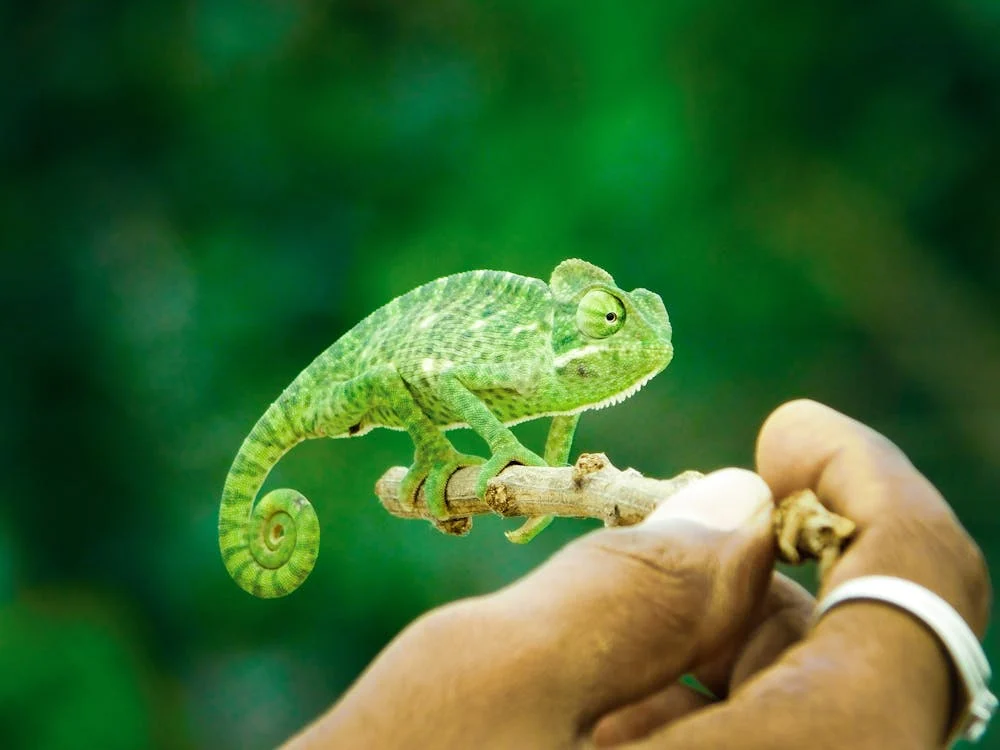
It happens in homes around the world. You glance up at a wall or near a window and spot a small lizard quietly resting in the sunlight. Within seconds, it darts away with remarkable speed, disappearing just as quickly as it appeared.
For some people, it’s simply another harmless reptile looking for insects. For others, the unexpected visitor sparks curiosity. Could it symbolize good fortune? Is it a sign of change? Or is there a practical reason these agile creatures seem so comfortable sharing our homes?
Across history, lizards have inspired myths, traditions, and spiritual interpretations. At the same time, modern science offers straightforward explanations for why they enter houses and the important ecological role they play.
Let’s explore both perspectives with an open mind, separating cultural beliefs from scientific understanding while appreciating why these fascinating reptiles continue to capture human imagination.
Why Do Lizards Enter Homes?
Before exploring symbolism, it helps to understand the biology.
House lizards are naturally attracted to places that provide three essential needs:
- Food
- Shelter
- Warm temperatures
Homes often offer all three.
Outdoor lights attract insects during the evening, creating an abundant food source. Walls and ceilings provide safe resting places away from predators, while warm indoor temperatures make comfortable habitats.
Rather than seeking human company, lizards are usually following their next meal.

The Practical Benefits of House Lizards
Although many people are surprised to find a lizard indoors, these reptiles are generally considered beneficial.
Their diet commonly includes:
- Mosquitoes
- Flies
- Small moths
- Ants
- Cockroaches
- Tiny spiders
By feeding on insects, house lizards help maintain a natural balance without requiring chemical pesticides.
For this reason, many wildlife experts encourage people to leave harmless house geckos alone whenever possible.
Lizards as Symbols Across Cultures
Long before biology explained animal behavior, people interpreted nature through stories and symbolism.
Lizards became meaningful figures in many cultures because of their agility, survival skills, and remarkable ability to adapt to changing environments.
While interpretations vary widely, several themes appear again and again.
A Symbol of Protection
In some traditions, lizards are viewed as quiet guardians of the home.
Because they consume insects that may damage food or spread discomfort, they came to symbolize protection and balance.
Some folklore suggests that spotting a lizard indoors is a reminder that the home is being watched over by positive natural forces.
It is important to recognize that these interpretations are cultural beliefs rather than scientifically established facts.
A Reminder to Embrace Change
Perhaps the most common symbolic meaning associated with lizards is adaptability.
These reptiles thrive in deserts, forests, cities, and tropical regions by adjusting to changing environments.
Spiritually, some people view their appearance as a gentle reminder to remain flexible during life’s transitions.
Whether someone is beginning a new job, moving to a different home, or developing new goals, a lizard may be interpreted as representing resilience and adjustment.
Again, this reflects personal belief and symbolism rather than objective evidence.

Letting Go of the Past
One of the most fascinating biological abilities of many lizard species is tail autotomy—the ability to voluntarily shed part of the tail when escaping predators.
The detached tail continues moving briefly, distracting the predator while the lizard escapes.
Scientists view this as an evolutionary survival strategy.
Spiritually, however, many cultures have adopted this remarkable adaptation as a metaphor.
The symbolism suggests that growth sometimes requires releasing what no longer serves us.
For some people, seeing a lizard becomes a reminder to let go of unnecessary worries, outdated habits, or situations that prevent personal growth.
Good Luck or Good Timing?
Many traditions associate lizards with good fortune.
In parts of Asia, Africa, and Latin America, folklore sometimes connects these reptiles with prosperity, protection, or favorable opportunities.
Other cultures attach different meanings depending on where the lizard appears or the time it is seen.
Because these beliefs differ greatly between regions, there is no universal interpretation.
From a scientific perspective, the appearance of a lizard simply reflects environmental conditions that make your home attractive to small reptiles.
The Psychology Behind Animal Symbolism
Why do people naturally assign meaning to encounters with animals?
Psychologists explain that humans are excellent pattern seekers.
Throughout history, observing animals helped people predict weather, seasonal changes, and environmental conditions.
Over time, many cultures developed symbolic stories connecting animals with human experiences.
These stories continue because they offer reflection and personal meaning, even when they are not intended as literal explanations.
Someone experiencing major life changes might naturally find encouragement in the image of a resilient, adaptable lizard.
The Ecological Importance of Lizards
Beyond symbolism, lizards play an important role in healthy ecosystems.
They help regulate insect populations while also serving as food for birds, snakes, and other wildlife.
This makes them an important link in many food webs.
Conservation organizations emphasize that reptiles contribute significantly to biodiversity and ecological balance.
Protecting native wildlife ultimately supports healthier environments for both animals and people.
Should You Be Concerned About a Lizard Indoors?
In most cases, common house geckos are harmless to humans.
They generally avoid people and spend their time searching for insects.
If you encounter one indoors, wildlife experts often recommend remaining calm.
If you prefer not to have it inside, gently encouraging it toward an open window or door is usually the safest option for both the animal and your household.
Avoid unnecessary harm whenever possible, as these reptiles provide valuable natural pest control.

Myths Versus Scientific Understanding
Myth: A lizard always brings good luck.
Reality: This is a cultural belief shared in some traditions. Science neither confirms nor disproves spiritual symbolism.
Myth: Every lizard carries a message from the universe.
Reality: Some individuals find personal or spiritual meaning in unexpected encounters with nature, while others simply view the visit as part of local wildlife behavior. Both perspectives can coexist respectfully.
Myth: Lizards enter homes because something unusual is happening.
Reality: Scientists explain that food availability, shelter, temperature, and lighting are the primary reasons house lizards appear indoors.
What Can We Learn from Lizards?
Whether viewed through science or symbolism, lizards teach surprisingly similar lessons.
From nature, we observe remarkable adaptability.
From cultural traditions, we are reminded of resilience and flexibility.
From ecology, we appreciate the importance of even the smallest creatures in maintaining environmental balance.
Each perspective offers its own valuable insight.
Living Alongside Nature
Modern homes often exist alongside thriving ecosystems.
Birds visit gardens.
Butterflies pollinate flowers.
Bees support countless plants.
Lizards quietly help manage insect populations.
Rather than seeing wildlife as unwelcome visitors, many experts encourage thoughtful coexistence whenever it is safe and practical.
Simple measures such as sealing entry points, maintaining clean living spaces, and reducing indoor insects can naturally discourage frequent visits without harming local wildlife.
Conclusion
The appearance of a lizard inside your home has inspired stories for generations. Some cultures view these agile reptiles as symbols of protection, adaptability, or personal transformation, while others simply appreciate their role as helpful insect hunters. Although science does not support the idea that a lizard’s visit carries a specific supernatural message, it does reveal something equally fascinating: these small reptiles are highly adaptable animals that contribute to healthy ecosystems.
Perhaps that is why lizards continue to capture our imagination. They exist at the intersection of folklore and biology, reminding us that nature can inspire both practical understanding and personal reflection. Whether you see a lizard as a fortunate visitor, a symbol of resilience, or simply a beneficial neighbor helping keep insects in check, its presence offers an opportunity to appreciate the remarkable diversity of the natural world and our enduring curiosity about the lives of the creatures around us.

Sources
- Secret Life of Mom. Lizards in Your House: What Does It Really Mean?
- National Geographic Society. Resources on reptiles and biodiversity.
- Smithsonian Institution. Information on reptile biology and adaptation.
- International Union for Conservation of Nature. Resources on reptile conservation and ecosystems.
- National Wildlife Federation. Educational materials on wildlife and ecological balance.
- American Psychological Association. Resources on perception, symbolism, and human cognition.