


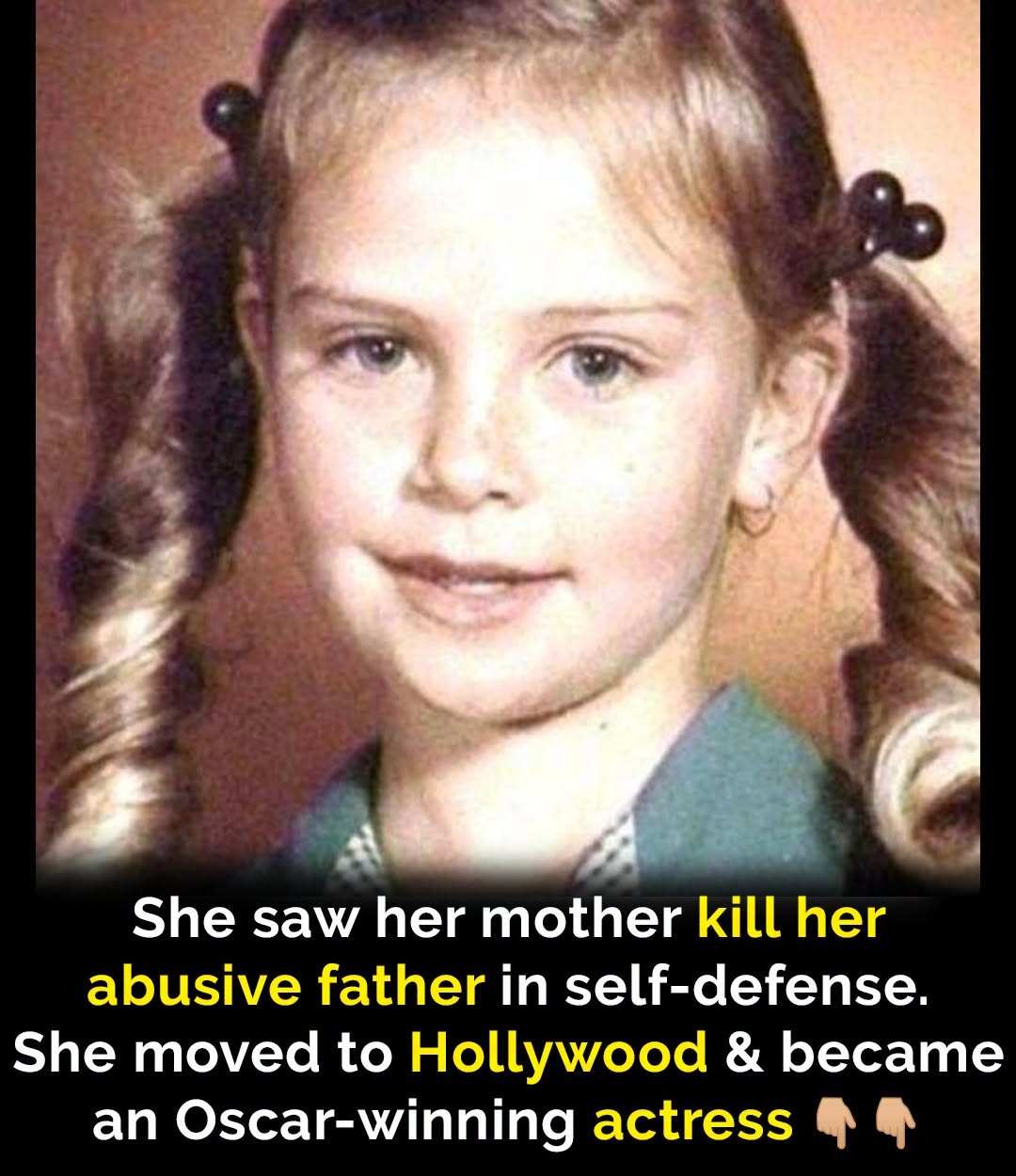
Before she became one of Hollywood’s most respected actresses and an Academy Award winner, Charlize Theron endured a childhood marked by hardship, fear, and unimaginable loss. Her journey to success is not just a story of talent but also one of extraordinary resilience.
Introduction: The Remarkable Journey of Charlize Theron
Charlize Theron stands as a towering figure in Hollywood, celebrated for her extraordinary performances, versatility, and commitment to her craft. Behind the dazzling career, prestigious awards, and global recognition lies a background deeply marked by adversity. Theron’s early life in South Africa was fraught with challenges, including personal tragedies and socioeconomic struggles. Her resilience in the face of these obstacles set the foundation for her subsequent rise to stardom, not just as a talented actress but as a symbol of strength and perseverance.
Early Life in South Africa: Facing Hardship and Fear
Charlize Theron was born on August 7, 1975, in Benoni, a small town near Johannesburg, South Africa. Growing up on a rural farm, she experienced the realities of life in a country grappling with the final years of apartheid and the social tensions that came with it. Her family was of Afrikaner descent with roots in Europe, and like many in the area, economic concerns and social unease were ever-present.
Theron’s childhood was shaped by her parents, Charles and Gerda Theron. Her father, who worked as a construction manager, struggled with alcoholism and exhibited unpredictable behavior. Life at home was at times unstable and frightening, and Charlize has spoken openly about the trauma she experienced. These adverse circumstances would ultimately play a crucial role in forming her inner resolve, teaching her to cope with uncertainty from a young age.
A Defining Tragedy: Transformation Through Loss
One of the most defining events in Theron’s life occurred when she was just 15 years old. In a moment that forever changed the trajectory of her life, her mother, Gerda, shot and killed Charlize’s father in an act later deemed self-defense. Charles Theron, intoxicated and threatening, turned violent towards his wife and daughter. The incident was investigated by the authorities and officially ruled as a justifiable act of self-protection. “I’ve only ever spoken the truth,” Theron later stated, acknowledging both the pain and the necessity of addressing such traumatic experiences honestly.
This devastating loss would have lasting emotional effects on Charlize and her mother, but it also united them in a profound way. Their relationship became a bedrock of support, with Gerda encouraging her daughter to pursue her ambitions beyond South Africa. Charlize’s openness about her family’s past has been lauded for breaking the stigma around addressing domestic violence and trauma in the public sphere.
Pursuing Dreams: From Ballet to Hollywood
From an early age, Theron found solace in dance, particularly ballet. She attended the National School of the Arts in Johannesburg, nurturing her passion. At the age of 16, she traveled to Milan, Italy, after winning a modeling contract. This experience introduced her to the broader world, but her true ambition remained dance. She later relocated to New York, where she joined the Joffrey Ballet School. However, a knee injury abruptly ended her dreams of a professional ballet career.
This setback, however, became a springboard for Theron’s next chapter. Stranded in Los Angeles in the mid-1990s and facing financial difficulty, she was discovered while arguing with a bank teller over a check. Hollywood agent John Crosby spotted her and offered to represent her—an encounter that ignited her acting career. Theron’s determination and adaptability were key as she navigated this unexpected new path.
Breakthrough and Rise to Stardom
Theron’s early auditions quickly revealed her talent and presence. She landed her first significant role in “2 Days in the Valley” (1996), following which she gained increased recognition with appearances in “The Devil’s Advocate” (1997) opposite Al Pacino and Keanu Reeves, and “Mighty Joe Young” (1998). Her striking screen presence and dedication to her roles made her a favorite among filmmakers and audiences alike.
The turning point came in 2003 with her transformative portrayal of serial killer Aileen Wuornos in “Monster.” Theron underwent a dramatic physical and emotional transformation for the role, which garnered critical acclaim. Her performance won her the Academy Award for Best Actress, making her the first South African to receive an Oscar in this category. The role not only established her as one of Hollywood’s most respected leading women but also demonstrated her willingness to tackle complex, unglamorous characters in pursuit of authenticity on screen.
Accomplishments and Impact in the Entertainment Industry
Theron’s career continued its upward trajectory with a series of critically acclaimed and diverse performances. She earned Golden Globe nominations for her roles in “North Country” (2005)—which depicted the struggles of a miner fighting workplace sexual harassment—and “Young Adult” (2011), in which she played a flawed but deeply human character. Other notable roles include the action heroine Imperator Furiosa in “Mad Max: Fury Road” (2015) and Megyn Kelly in the political drama “Bombshell” (2019).
As a producer, Theron has been instrumental in bringing unique and important stories to the screen through her company, Denver and Delilah Productions. Her advocacy for strong female roles and stories that address social issues has positioned her as a leading voice for positive change within Hollywood. Time magazine recognized her as one of the world’s most influential people, underscoring her impact on both film and culture.
Resilience and Advocacy: Charlize Theron as a Role Model
Theron’s openness about her family history and struggles has endeared her to fans and inspired many to speak out about their own experiences. She has often spoken about the challenges of healing from trauma, the importance of mental health, and the need to address domestic violence. Theron’s willingness to use her platform to discuss difficult issues has earned her respect and admiration far beyond the confines of the entertainment world.
In 2007, she founded the Charlize Theron Africa Outreach Project (CTAOP), aimed at supporting youth in southern Africa and preventing the spread of HIV/AIDS. The organization focuses on providing health education and resources, further cementing Theron’s commitment to making a difference both on and off the screen.
Theron’s advocacy for women’s rights, LGBTQ+ equality, and support for survivors of violence has made her a sought-after speaker on global stages, including the United Nations. She is unapologetic about using her influence to promote societal change and has encouraged others in the entertainment industry to do the same.
Expert Insights: Hollywood and Beyond
Industry analysts and experts have often cited Charlize Theron’s career as an example of how resilience and authenticity can create lasting impact. According to film critic Peter Travers, “Theron’s capacity to disappear into her characters is truly remarkable—she brings not only technical skill but lived experience.” Psychologists studying celebrity resilience note that public figures like Theron, who openly share stories of overcoming adversity, can shape conversations around trauma and recovery. Her visibility helps to destigmatize such topics and inspire collective efforts towards greater empathy and support systems.
Film historians also point out how Theron’s success story has inspired a new generation of international talent to pursue Hollywood careers, signaling a shift towards more diverse and inclusive representation in the global entertainment industry.
Societal and International Reactions
Charlize Theron’s achievements and candidness have resonated with audiences across the globe. Her upbringing in South Africa remains a source of national pride, and her work through CTAOP is acknowledged internationally as an important contribution to public health and youth empowerment. Her efforts have received recognition from humanitarian organizations, and she continues to be a pivotal figure in conversations on women’s empowerment, both within the film industry and beyond.
Internationally, Theron is viewed not only as a symbol of Hollywood success but also as an advocate for social justice and resilience in the face of adversity. Her influence extends into philanthropy, cultural conversations, and the representation of complex, powerful women on screen.
Conclusion: From Adversity to Empowerment
The story of Charlize Theron is one of extraordinary resilience, adaptability, and commitment to making a difference. Her journey from a turbulent childhood in South Africa to Oscar-winning performances in Hollywood is a testament to the transformative power of perseverance. By consistently taking on challenging roles, sharing her personal history, and dedicating herself to meaningful causes, Theron has forged a legacy that extends well beyond her cinematic achievements.
Her life continues to inspire millions, reminding us that adversity can fuel growth and that using one’s platform for the greater good can lead to lasting, positive change. Charlize Theron’s story is not just a narrative of success in entertainment—it is a powerful example of human strength and the enduring influence of compassion and authenticity.
Sources
Disclaimer: This content is intended for entertainment purposes only and is not based on real events.