

Rise in Stroke Incidence Among Young Adults: Recognizing Symptoms, Risks, and Prevention

In recent years, medical researchers and public health officials have observed a concerning increase in the number of stroke cases among young adults. Traditionally perceived as a medical emergency affecting mainly older adults, stroke is now rising in prevalence among people aged 18 to 45. This shift in demographics brings new urgency to education, awareness, and prevention efforts focused specifically on a younger population.
Understanding Stroke: A Medical Overview
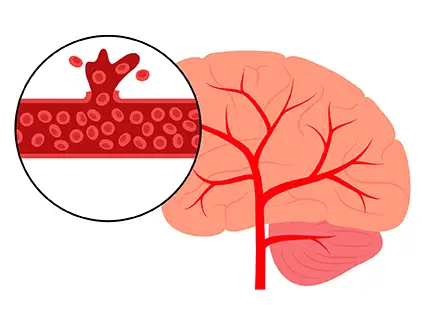
A stroke occurs when the blood supply to a part of the brain is interrupted or significantly reduced, depriving brain tissue of the oxygen and nutrients it needs to function. This blockage may result from a clot (ischemic stroke, the most common type) or bleeding in the brain (hemorrhagic stroke). According to the World Health Organization (WHO) and Centers for Disease Control and Prevention (CDC), stroke remains a leading cause of death and long-term disability worldwide.
While overall stroke risk increases with age, recent data indicate that young adults are not immune. The American Heart Association (AHA) reports a 40% increase in stroke rates among young adults in recent years, with 10-15% of all strokes occurring in individuals aged 18 to 45. These figures highlight the urgent need for younger demographics to understand stroke risks and symptoms.
Changing Risk Profiles in Young Adults
Several modifiable and non-modifiable factors contribute to increased stroke risk among younger populations. While some young adults may have underlying genetic or congenital conditions, the majority are impacted by a combination of lifestyle choices and rising rates of chronic diseases. Common risk factors for young adults include:
- Unhealthy lifestyles: Poor dietary habits, physical inactivity, and smoking all raise the risk of vascular disease and subsequent stroke.
- Chronic stress: Persistent stress is linked to increased blood pressure and unhealthy behavioral coping strategies that may contribute to stroke risk.
- Recreational drug use: Substances such as cocaine and amphetamines can cause blood vessel constriction and spike blood pressure, significantly elevating stroke risk.
- Oral contraceptives containing estrogen: Birth control pills may increase blood clotting tendencies in some individuals, especially when combined with other risk factors like smoking.
- Rising prevalence of hypertension and diabetes: The CDC warns of escalating rates of high blood pressure and Type 2 diabetes among those under 45, both of which directly increase chances of stroke.
Dr. Khurram Nasir, chief of cardiovascular prevention and wellness at Houston Methodist DeBakey Heart and Vascular Center, notes that while medical advances in early intervention have improved stroke outcomes, their benefits are limited if patients do not recognize warning symptoms and seek help immediately.
“Time is critical for treating stroke. The earlier people recognize symptoms, the better their chances are to reduce long-term disability,” Dr. Nasir emphasizes.
Why Recognizing Stroke in Young Adults Is Challenging
Younger patients, clinicians, and even family members may not associate stroke symptoms with such a severe condition in someone under 45. Symptoms can be subtle or mistaken for less serious issues such as stress, migraines, nerve problems, or even intoxication. As a result, young stroke victims may delay seeking urgent care, reducing their chances of full recovery.
Prompt medical attention is essential to minimize brain damage. The rule of thumb: if in doubt, err on the side of caution and seek emergency care.
Key Symptoms of Stroke in Young Adults
Experts urge everyone, especially young adults and those around them, to learn and recognize the classic signs of stroke. Here are the most critical symptoms to watch for:
1. Sudden Weakness or Numbness on One Side
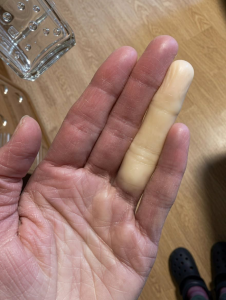
One of the most common stroke signs is sudden weakness, numbness, or tingling on one side of the face, arm, or leg. The CDC explains that this symptom often appears without warning. For instance, one side of the face may droop, or a person may struggle to lift one of their arms.
In younger adults, such symptoms are often misattributed to exhaustion, nerve pinches, or anxiety. However, even temporary or mild numbness may indicate a transient ischemic attack (TIA), also known as a “mini-stroke,” which can be a precursor to a major stroke.
Important: Do not ignore one-sided weakness, tingling, or numbness. These are medical emergencies requiring immediate attention.
2. Difficulty Speaking or Understanding Speech
Sudden changes in speech, such as slurred or garbled words, confusion, or the inability to express or understand language, are key signs of a stroke. According to the Mayo Clinic, this symptom is due to disruption in the brain’s language centers, mainly located in the left hemisphere.
People experiencing a stroke may know what they want to say but cannot form words, or they may speak nonsensically. Similarly, they may have difficulty understanding what others are saying. In younger individuals, this is sometimes incorrectly attributed to stress, panic attacks, or intoxication, delaying life-saving treatment.
Sudden confusion or any speech difficulty should always be treated as an emergency, even if other symptoms are not present.
3. Abrupt, Intense Headache
A severe and sudden headache—sometimes described as the “worst headache of your life”—can be a sign of hemorrhagic stroke, which results from bleeding in the brain. The Mayo Clinic notes that, unlike typical headaches, this pain is abrupt, intense, and may be accompanied by nausea, vomiting, or loss of consciousness.
Young adults might dismiss these headaches as migraines or tension headaches caused by stress. The major difference is in the sudden onset and a sense of abnormality compared to prior headaches. Medical professionals insist that any unexpected, severe headache paired with other stroke symptoms warrants immediate medical evaluation.
Do not attempt to “sleep off” a sudden, severe headache—especially when combined with confusion, dizziness, or vision changes.

4. Dizziness and Loss of Balance
Sudden dizziness, loss of balance or coordination, and difficulty walking may point to a stroke affecting the cerebellum or other areas of the brain responsible for coordination. The Mayo Clinic warns that, while dizziness can result from many common causes like dehydration or vertigo, when it appears abruptly—and especially with other neurological symptoms—stroke must be ruled out immediately.
These balance and coordination problems may make ordinary activities, like walking or picking up objects, suddenly challenging or impossible. Sudden severe dizziness, with or without nausea, should therefore always be taken seriously.
5. Vision Problems
Strokes may trigger sudden visual disturbances, including blurred or double vision, difficulty seeing out of one or both eyes, or even partial blindness. Some may also experience heightened sensitivity to light. Damage to the brain’s visual processing centers or the optic pathways is usually the underlying cause.
Vision changes from stroke are typically sudden and may be overlooked as eye fatigue or strain, especially by young adults who spend many hours at screens. However, abrupt changes in vision, particularly if accompanied by headache, dizziness, or numbness, should never be ignored.
Immediate medical evaluation can significantly reduce the risk of permanent vision impairment when vision changes are due to stroke.
The Urgency of Early Recognition and Treatment
The adage “time is brain” underscores how every minute matters—lost time can mean lost brain cells, heightening the risk of permanent disability or death. Treatments for stroke, such as clot-busting medications or surgical interventions, are most effective when administered quickly after symptoms begin. Any delay in seeking emergency care reduces the potential for a full recovery.
It is vital for both young people and those around them—family, friends, co-workers—to be aware of stroke warning signs. Using the FAST acronym can help:
- Face: Is one side drooping?
- Arms: Does one arm drift downward?
- Speech: Is speech slurred or strange?
- Time: If the answer to any is yes, call emergency services immediately.
The Mayo Clinic, CDC, and American Stroke Association all stress the value of community awareness, rapid response, and public education to improve outcomes across all age groups—especially as the profile of stroke victims evolves.
Expert Opinions and International Perspectives
Major health organizations including the World Health Organization, Centers for Disease Control and Prevention, and American Heart Association have all raised alarms about the shifting demographics of stroke. International studies suggest environmental, occupational, and lifestyle changes globally are contributing to stroke risk in populations that were previously considered low risk.
Experts urge governments and public health bodies to invest in targeted stroke prevention campaigns for younger adults, address rising rates of hypertension and diabetes, and expand screening for early warning signs.
Societal reaction has included increased discussion in media, community health programs, and workplace wellness initiatives aimed at educating younger workers and families about early stroke signs.
Stroke Prevention: What Young Adults Can Do
While genetics play a role, many risk factors are within a young person’s control. The following steps are recommended by the CDC and WHO to lower stroke risk:
- Maintain a healthy diet low in salt, sugars, and saturated fats
- Engage in regular physical activity
- Abstain from tobacco and limit alcohol intake
- Manage chronic conditions such as hypertension, diabetes, and high cholesterol with the help of a healthcare provider
- Control stress through healthy coping mechanisms
- Consult with a clinician about safe birth control methods and risk factors, especially if you have other predisposing conditions
- Undergo regular health screenings, including blood pressure and cholesterol checks
Being informed and proactive about health can considerably reduce individual and societal stroke burdens.
Conclusion
The rise in stroke cases among young adults challenges longstanding assumptions about who is at risk. With evidence mounting about increasing incidence, early recognition and immediate action are more important than ever. Classic stroke symptoms—sudden weakness, changes in speech, severe headache, dizziness, and vision troubles—require prompt emergency care regardless of the patient’s age.
Awareness, lifestyle modification, and access to healthcare remain our best strategies for combating this trend. Being attentive to your body and advocating for medical evaluation when something feels wrong saves lives and preserves futures.
*Medical disclaimer: This content is for informational purposes only and does not replace professional medical advice, diagnosis, or treatment. If you, or someone with you, exhibit signs of a stroke, seek immediate medical attention. Always consult with a qualified healthcare professional for concerns about your health.
Sources
- American Heart Association: As Stroke Rates Rise Among Younger Adults
- CDC: Stroke Signs and Symptoms
- CDC: Stroke Information
- Mayo Clinic: Stroke Symptoms and Causes
- World Health Organization: Cerebrovascular Accident (Stroke)
If you found this information helpful, please consider sharing it with your family, friends, and wider community.

Monica Pop is a senior writer for Bored Daddy magazine, covering trending health and wellness topics across the United States and internationally.
Disclaimer: This content is intended for entertainment purposes only and is not based on real events.