


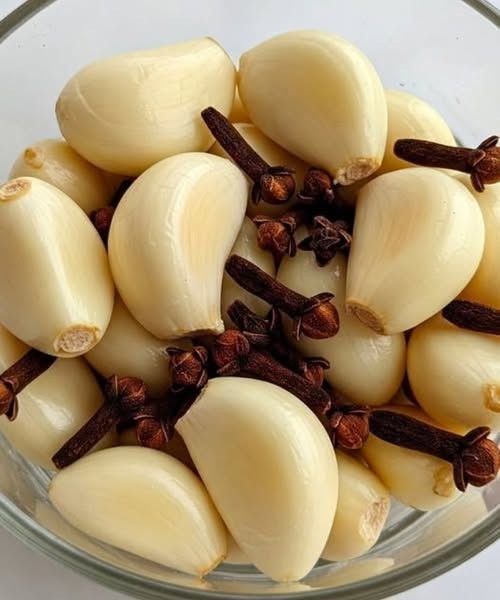
There is something fascinating about ordinary kitchen ingredients. A bulb of garlic sitting beside a jar of cloves may look like nothing more than the beginning of a flavorful meal, yet both have been valued across cultures for centuries.
Garlic has long appeared in traditional cooking and wellness practices, while cloves have been used in everything from festive desserts to traditional preparations. Their strong aromas and distinctive flavors make them easy to recognize, but their natural compounds have also attracted scientific interest.
Some online articles describe garlic and cloves as a powerful wellness combination, suggesting benefits ranging from immune support to digestive comfort. However, it is important to separate traditional use from scientifically established effects. Eating these ingredients as part of a balanced diet can provide useful nutrients and plant compounds, but they should not be viewed as a replacement for medical treatment.
So what makes garlic and cloves interesting, and is there really something special about combining them?
Garlic: More Than a Flavorful Ingredient
Garlic has been cultivated and consumed for thousands of years. Its unmistakable flavor comes from sulfur-containing compounds that are produced when garlic cells are damaged, such as when a clove is crushed or chopped.
One of the best-known compounds associated with fresh garlic is allicin. It forms through an enzymatic reaction involving alliin and the enzyme alliinase after garlic is cut or crushed.
Researchers have investigated garlic for its antioxidant and cardiovascular properties, although the effects observed in studies can vary depending on the preparation, quantity, and individual.
Garlic also contributes small amounts of nutrients such as vitamin B6, vitamin C, manganese, and other compounds that can complement a varied diet.
This is one reason garlic has remained popular across culinary traditions. It adds flavor while contributing naturally occurring plant compounds to everyday meals.
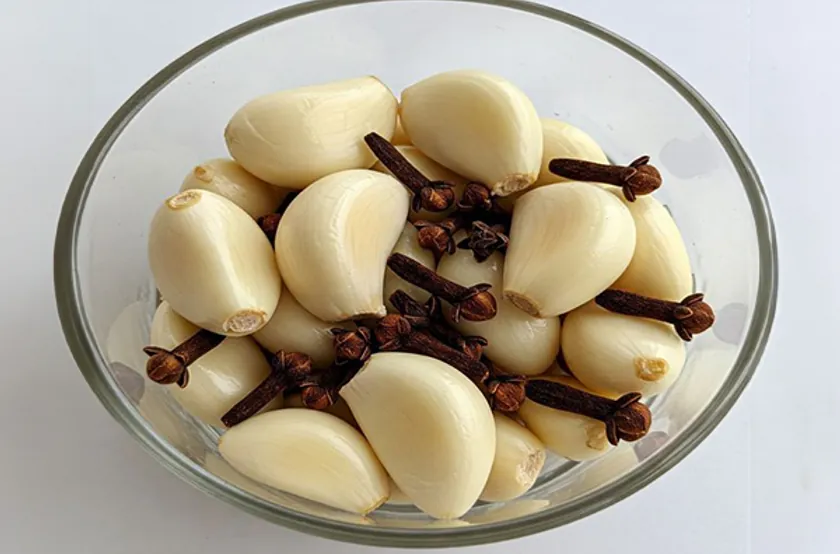
Why Cloves Have Attracted Scientific Interest
Cloves are the dried flower buds of the clove tree, Syzygium aromaticum. Their warm, sweet, slightly spicy flavor makes them particularly popular in baked goods, drinks, sauces, and spice blends.
Cloves are especially notable for their concentration of eugenol, a naturally occurring compound that contributes to their characteristic aroma.
Cloves also contain polyphenols and other antioxidant compounds. Laboratory research has examined their antioxidant activity, while eugenol has been studied for various biological properties.
However, laboratory findings do not automatically mean that consuming cloves will produce the same effects in humans. The amount used in cooking is generally much smaller than the concentrated quantities used in some experimental research.
That distinction is important when discussing the potential health benefits of spices.
Garlic and Cloves Together: Is There Really a Special Synergy?
The idea of combining garlic and cloves has become popular in natural wellness content.
Supporters sometimes describe the pair as a “natural health duo,” suggesting that their compounds work together to support immunity, digestion, antioxidant defenses, and overall well-being.
There is a reasonable nutritional basis for including both ingredients in a healthy diet because each contains different plant compounds.
However, there is limited human evidence demonstrating that garlic and cloves have a unique health effect specifically because they are consumed together.
In other words, the ingredients themselves are interesting, but claims that combining them creates a powerful therapeutic effect should be treated cautiously.
The simplest approach is to enjoy both as flavorful ingredients rather than expecting a particular combination to provide a medical benefit.

Potential Antioxidant Benefits
One of the most interesting areas of research surrounding both garlic and cloves is antioxidant activity.
Oxidation naturally occurs in the body as part of normal biological processes. The body has its own antioxidant defense systems, while foods provide additional compounds that participate in the broader balance between oxidants and antioxidants.
Garlic contains sulfur compounds and other phytochemicals that researchers have studied for antioxidant activity.
Cloves are particularly rich in phenolic compounds, with eugenol among the best-known constituents.
Including a variety of herbs, spices, vegetables, fruits, nuts, legumes, and whole grains is generally a better nutritional strategy than relying heavily on any single “superfood.”
Garlic and cloves can be part of that variety.
Supporting a Flavorful, Balanced Diet
One of the most practical benefits of garlic and cloves has nothing to do with a specific medical effect.
They make food more interesting.
Garlic can add depth to vegetables, soups, sauces, grains, seafood, poultry, and many other dishes. Cloves can contribute warmth to oatmeal, baked fruit, tea, stews, and spice blends.
Using herbs and spices can also make it easier to create flavorful meals without relying exclusively on large amounts of salt, sugar, or rich sauces.
That makes these ingredients useful from a culinary perspective even when health claims are kept realistic.
Could Garlic and Cloves Help Digestion?
Traditional food practices have often associated aromatic spices with digestive comfort.
Garlic contains prebiotic compounds that can interact with the gut microbiome, while spices such as cloves have been investigated for their biological activity.
But digestive responses are highly individual.
For some people, large amounts of garlic may cause bloating, gas, or stomach discomfort. Concentrated clove preparations can also be irritating when consumed excessively.
Therefore, more is not necessarily better.
Using modest amounts in normal meals is generally a more sensible approach than consuming large quantities in homemade remedies.
Simple Ways to Enjoy Garlic and Cloves
You do not need elaborate recipes to incorporate these ingredients into your meals.
Add Garlic to Everyday Cooking
Fresh garlic can be chopped or crushed and added to roasted vegetables, soups, sauces, rice dishes, and marinades.
Allowing chopped garlic to sit briefly before cooking can encourage the formation of allicin, although cooking can alter the amount of certain sulfur compounds.
Use Cloves in Warm Drinks
A small amount of clove can add a pleasant aroma to tea or other warm beverages.
Because cloves have a strong flavor, only a modest quantity is generally needed.
Create a Warming Spice Blend
Garlic powder and ground cloves can be combined with other culinary spices to create a flavorful seasoning.
This approach is much simpler than preparing concentrated mixtures and makes it easier to incorporate the ingredients into normal meals.
Add Cloves to Cooking
Whole cloves can be used to flavor soups, stews, rice dishes, sauces, and certain desserts.
They are often removed before serving because their flavor can become intense.

What About Garlic and Clove Infusions?
Some wellness recipes recommend boiling crushed garlic and cloves in water and drinking the resulting infusion.
Although such a drink can be prepared as a culinary beverage, there is insufficient evidence to conclude that a garlic and clove infusion provides special health effects beyond the properties of the individual ingredients.
There is also no established need to drink such a mixture every morning or before bed.
If you enjoy the flavor, there is nothing inherently remarkable about occasionally incorporating these ingredients into a warm drink. But treating the beverage as a cure for a health condition would go beyond the available evidence.
A Word of Caution About Applying Garlic to the Skin
One recommendation sometimes found online is to create homemade skin masks using raw garlic and ground cloves.
This deserves considerably more caution.
Raw garlic can irritate the skin and, in some circumstances, cause significant skin reactions. Concentrated clove oil can also be irritating.
For this reason, homemade garlic and clove mixtures should not automatically be considered gentle natural skincare products.
If someone wants to use a botanical ingredient on the skin, a properly formulated commercial product is generally preferable to applying concentrated raw ingredients directly.
People with sensitive skin should be particularly cautious.
Can They Replace Medication or Treatment?
No.
Garlic and cloves can be nutritious culinary ingredients, but they should not replace prescribed medication, professional medical advice, or evidence-based treatment.
This is particularly important when online articles describe spices using terms such as “antibacterial,” “anti-inflammatory,” or “immune boosting.”
A compound demonstrating biological activity in laboratory research does not necessarily mean that eating the ingredient will produce the same clinical effect.
The strongest role for garlic and cloves is therefore as part of a balanced eating pattern rather than as a substitute for healthcare.
How Much Is Appropriate?
There is no universally established daily amount of garlic and cloves that guarantees a particular health benefit.
For garlic, normal culinary use is generally the most straightforward approach.
Cloves are intensely flavored, meaning a small amount can be enough for cooking.
Concentrated supplements, extracts, and essential oils are different from ordinary food quantities and may have stronger effects or interactions.
People who take medication regularly or have specific health concerns should discuss concentrated herbal products with a qualified healthcare professional.
The Bigger Picture: Variety Matters Most
The fascination with garlic and cloves reflects a broader trend in nutrition: the search for simple ingredients that might offer extraordinary benefits.
There is some truth behind the interest. Plants contain thousands of naturally occurring compounds, and scientists continue to investigate how these substances interact with the human body.
But good nutrition rarely depends on one magical ingredient.
A varied diet containing vegetables, fruits, whole grains, legumes, nuts, seeds, herbs, spices, and appropriate protein sources provides a much broader range of nutrients and plant compounds.
Garlic and cloves can comfortably fit into that picture.
Their strongest advantage may simply be that they make nutritious food more enjoyable.
Final Thoughts: The Beauty of Ordinary Ingredients
A garlic bulb and a handful of cloves may not look particularly remarkable.
Yet both represent something fascinating about food: ingredients that humans have used for generations can contain complex natural compounds that scientists are still studying today.
The idea that garlic and cloves form a miraculous wellness combination is not supported by enough human evidence to justify extraordinary claims. But that does not make them uninteresting.
Garlic brings distinctive sulfur compounds and bold flavor. Cloves provide eugenol and a variety of plant compounds. Together, they can add aroma, depth, and variety to everyday cooking.
Perhaps the most useful lesson is also the simplest one.
We do not need to turn every traditional ingredient into a miracle remedy to appreciate it. Sometimes the real value of food lies in its ability to nourish us, bring people together, and encourage curiosity about the natural world.
And that curiosity is worth keeping. The more we learn about ordinary foods, the more we discover that even the smallest ingredients can tell surprisingly fascinating stories.
Sources
National Center for Complementary and Integrative Health: Garlic
National Center for Biotechnology Information: Garlic and its bioactive compounds
National Center for Biotechnology Information: Clove and eugenol research
Original source article: Garlic and Cloves