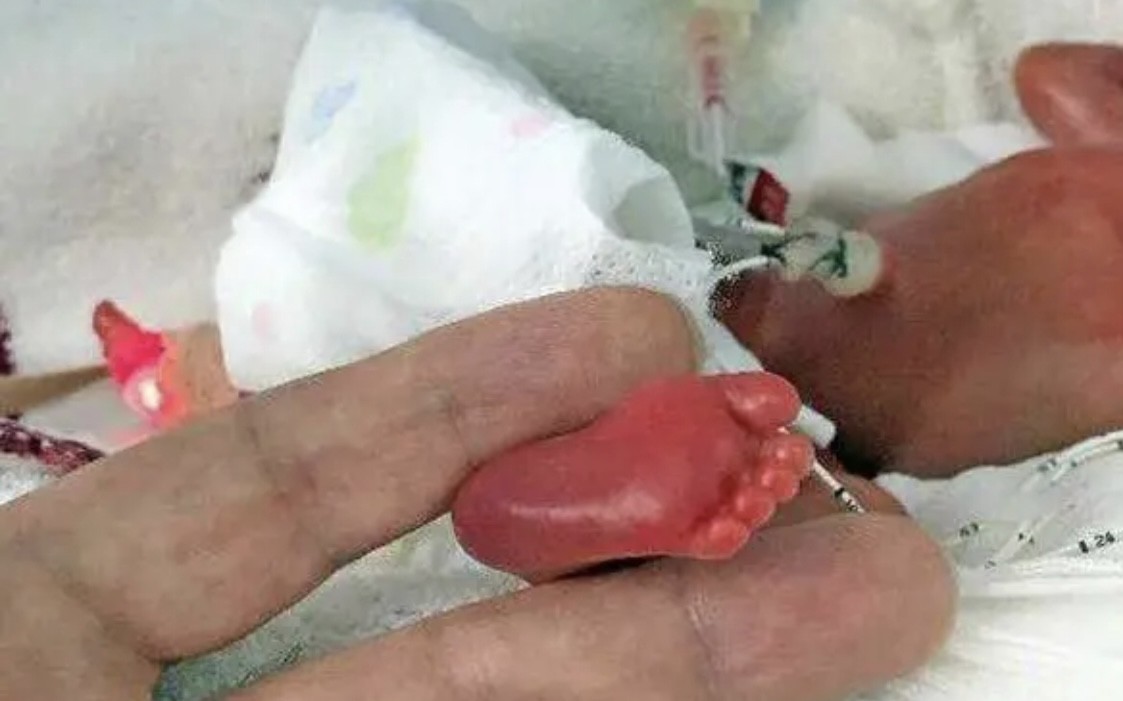


When a baby arrives weeks before the expected due date, every moment can become important. Instead of beginning life in the calm environment doctors and parents had hoped for, an extremely premature baby may need immediate medical support, careful monitoring, and transportation to a specialized neonatal center.
In one remarkable story, a baby born at around 24 weeks of pregnancy weighed only about 720 grams. His first moments were filled with urgent medical decisions as doctors and nurses worked to stabilize him and give him the best possible chance of continuing to grow.
His journey began not with a typical newborn welcome, but with an ambulance ride toward specialized neonatal care.
A Beginning Far Earlier Than Expected
A pregnancy normally lasts around 40 weeks, so birth at 24 weeks represents an extremely premature arrival.
At this stage of development, many of a baby’s organs are still maturing. The lungs may not yet be ready to function independently, while the brain, digestive system and immune system also require additional development.
For the medical team, the first priority is stabilization.
Temperature, breathing, heart rate and oxygen levels must be monitored closely. Premature babies can have difficulty maintaining their body temperature and may require respiratory support because their lungs are still developing.
For parents, meanwhile, the experience can be overwhelming. A moment that was expected to mark the beginning of a new family chapter can suddenly become an introduction to neonatal intensive care.

When the Ambulance Becomes Part of the Treatment
Once the baby was stable enough for transport, another important stage began.
He needed to reach a medical center equipped to provide specialized care for extremely premature infants. During the journey, the ambulance functioned as a mobile extension of the hospital.
Specialized equipment allowed medical professionals to monitor important vital signs while continuing necessary support.
For a premature newborn, transportation requires careful preparation because even small changes in breathing, temperature or circulation can require an immediate response.
The goal is not simply to move the baby from one location to another. It is to maintain stability throughout the journey.
Why Specialized Neonatal Care Matters
Extremely premature babies face a number of challenges because their bodies are still developing.
One of the most significant concerns involves breathing. The lungs may require assistance, and some babies need respiratory support for a period of time.
Temperature regulation is another challenge. Newborns this small can lose body heat quickly, which is why specialized incubators and carefully controlled environments are so important.
Medical teams also monitor feeding and digestion, circulation, neurological development and the possibility of infection.
The exact course is different for every baby. Some infants progress steadily, while others experience setbacks that require additional treatment.
That uncertainty can make the neonatal intensive care unit an emotional environment for families.
Progress Often Comes in Very Small Steps
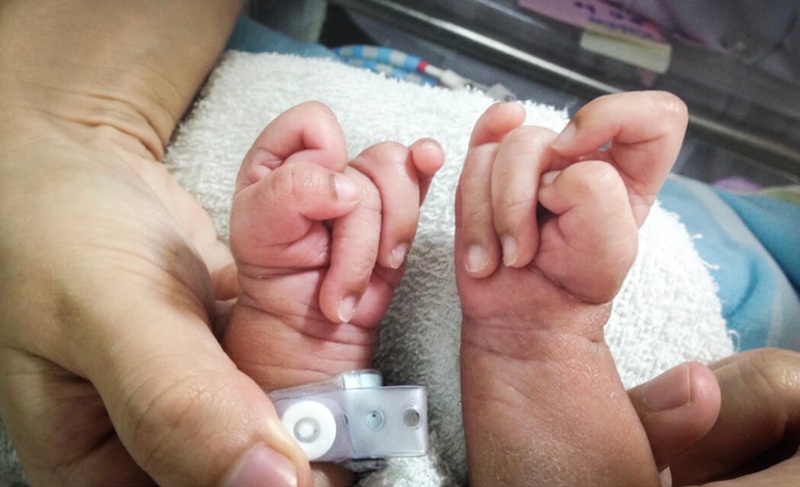
For parents of extremely premature babies, progress may look very different from what they originally imagined.
A stable set of vital signs can become a major source of encouragement. Being able to reduce respiratory support may represent meaningful progress. Later, gaining weight or beginning to tolerate nutrition can become another milestone.
Instead of measuring progress in days or weeks, families may sometimes find themselves celebrating individual improvements.
The medical team also has to balance intervention with the baby’s ongoing development. Because premature infants are particularly vulnerable, treatment decisions are made carefully and adjusted according to how the baby responds.
The Importance of Prenatal Care
Stories involving premature birth also highlight the importance of prenatal healthcare.
Regular prenatal appointments can help healthcare professionals monitor pregnancy development, identify certain risk factors and provide guidance when complications appear.
However, prenatal care cannot prevent every premature birth. Some early deliveries happen unexpectedly even when a pregnancy has received appropriate medical attention.
Access to timely maternity services and hospitals with appropriate neonatal facilities can nevertheless make an important difference when complications arise.
A Long Journey Can Begin With One More Day
For a baby born at only 24 weeks, the journey may involve many weeks of specialized medical care.
There may be difficult days as well as encouraging ones. Families often learn to take the process one step at a time, relying on doctors, nurses and neonatal specialists while gradually getting to know their baby’s unique needs.
Behind every monitor and medical device is a developing child.
The technology can be extraordinary, but so is the dedication of the people caring for these vulnerable newborns. Neonatal teams work around the clock to provide respiratory support, nutrition, temperature regulation and continuous observation.
For parents, every improvement can bring renewed hope.
A Story About Care, Patience and Resilience
The story of a baby born far too early is not simply a story about medical equipment or emergency transportation. It is also about the people surrounding that baby during the earliest and most uncertain stage of life.
A 720-gram newborn may appear incredibly fragile, but modern neonatal medicine has created specialized environments designed to support babies born many weeks before their due dates.
Outcomes vary greatly depending on many factors, including gestational age, birth weight, overall health and access to specialized care. There are no guarantees, and each baby’s journey is unique.
What remains universal is the importance of careful medical attention and the patience required during the long process of development.
Sometimes, hope does not arrive as a dramatic moment.
Sometimes it looks like another stable heartbeat, another carefully monitored breath, another small increase in weight, or simply another day of growth.
For a baby who entered the world at just 24 weeks, the journey may have started in an ambulance—but with specialized care, determined medical professionals and a family holding onto hope, that tiny beginning can become the first chapter of a much longer story.