



At first glance, the small golden-orange fruit in the picture might look like a miniature apricot, a yellow plum, or even an unfamiliar variety of peach. But take a closer look and you may discover something quite different: the loquat.
With smooth golden skin, juicy flesh and several large brown seeds inside, loquats are one of those fruits that can surprise people who have never encountered them before. They have a naturally sweet and slightly tangy flavor and are enjoyed fresh in many parts of Asia, the Mediterranean and other warm regions.
But what exactly is a loquat? What does it taste like? Is the skin edible? And what should you know about the large seeds?
Let’s take a closer look at this fascinating fruit.
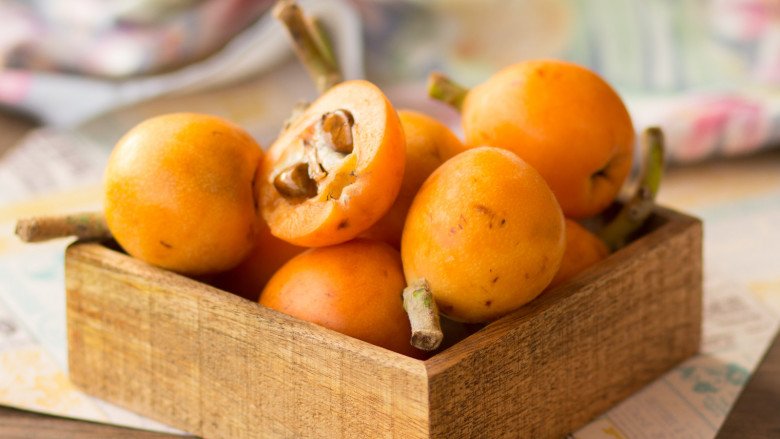
What Is a Loquat?
The loquat, scientifically known as Eriobotrya japonica, is a small fruit that belongs to the Rosaceae family, the same botanical family that includes apples, pears, peaches, plums, cherries and strawberries.
Despite its scientific name, the loquat originated in southeastern China, where it has been cultivated for centuries. It later spread to other parts of Asia and eventually to regions around the Mediterranean, the Middle East and other areas with suitable climates.
The fruit is usually oval or slightly rounded and can vary in color depending on its variety and level of ripeness.
You may see loquats ranging from:
- Pale yellow
- Golden yellow
- Yellow-orange
- Deep orange
When ripe, the flesh is generally soft, juicy and pleasantly fragrant.
One of the easiest ways to recognize a loquat, however, is what you find inside.
The fruit contains several relatively large, smooth, brown seeds that can occupy a surprisingly significant portion of the center.
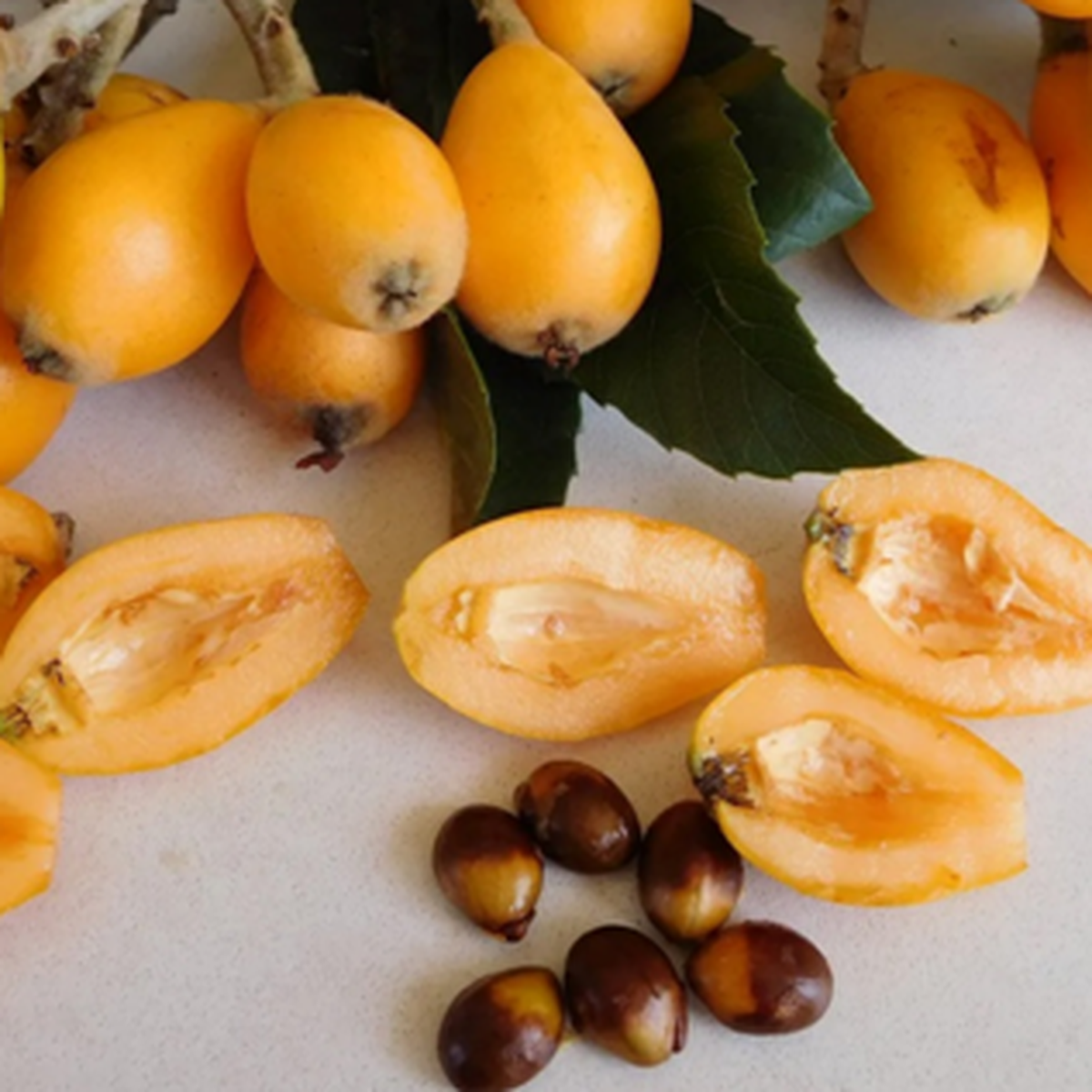
What Does a Loquat Taste Like?
The flavor is one of the reasons loquats have developed such a loyal following.
A ripe loquat is typically sweet, juicy, mildly tart and refreshing. Some people find that its flavor reminds them of a combination of familiar fruits.
Depending on the variety, you may notice characteristics reminiscent of:
- Apricot
- Peach
- Apple
- Citrus
The exact flavor can vary according to the cultivar, growing conditions and ripeness.
An underripe loquat may be firmer and more acidic, while a ripe fruit tends to become softer, sweeter and juicier.
That balance between sweetness and mild acidity makes fresh loquats particularly enjoyable on their own.
How Do You Eat a Loquat?
Eating a fresh loquat is relatively simple.
Start by washing the fruit thoroughly under running water. You can then cut it open or gently separate it to expose the flesh and seeds.
The basic process is:
Wash → open the fruit → remove the seeds → enjoy the flesh.
The skin is edible, although some people prefer to peel it because of its texture.
The most important step is removing the seeds.
Can You Eat Loquat Seeds?
Loquat seeds should not be intentionally eaten.
The seeds contain cyanogenic compounds that can potentially release cyanide when broken down, particularly when the seeds are crushed or chewed.
This doesn’t mean that the edible fruit itself should be avoided. The flesh is the part commonly consumed.
Simply remove the seeds and discard them.
It is best not to chew, grind or blend the seeds into food or drinks.
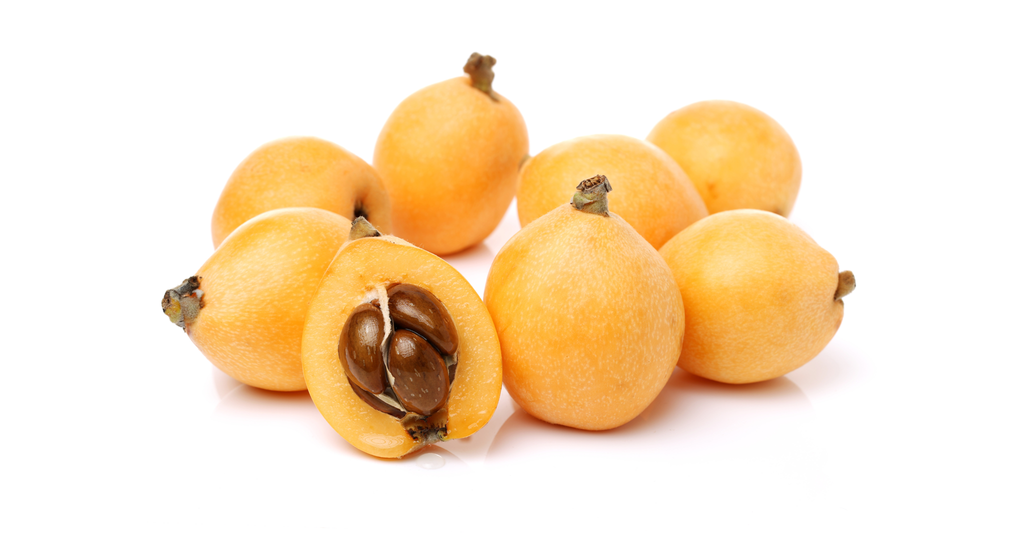
Why Are Loquat Seeds So Large?
One of the most interesting characteristics of the loquat is the size of its seeds.
Unlike fruits with tiny seeds scattered throughout their flesh, loquats often contain several large, glossy brown seeds concentrated in the center.
Depending on the variety, a fruit may contain one to several seeds.
This means that the edible portion can sometimes seem smaller than expected once the seeds are removed.
Some cultivated varieties have been developed with fewer or smaller seeds, making them easier to eat. Nevertheless, the large seeds remain one of the defining features of traditional loquats.
Are Loquats Nutritious?
Like many whole fruits, loquats can be part of a balanced diet.
They provide water, natural carbohydrates, dietary fiber, vitamin C, potassium and carotenoid compounds. Their precise nutritional content varies depending on the variety, ripeness and serving size.
Rather than thinking of loquats as a miracle food, it is more useful to consider them one nutritious choice among many different fruits.
Eating a variety of fruits and vegetables provides a broader range of nutrients and plant compounds.
Loquats and Dietary Fiber
One useful feature of whole loquats is their dietary fiber.
Fiber contributes to normal digestive function and can help support regular bowel movements. It can also contribute to feelings of fullness as part of a balanced eating pattern.
However, no individual fruit should be considered a cure for digestive problems.
If someone wants to increase their fiber intake, adding a variety of fruits, vegetables, legumes and whole grains to the diet is generally more practical than relying on one particular food.
When increasing fiber, drinking enough fluids is also important.
Vitamin C and Other Nutrients
Loquats also provide vitamin C, an essential nutrient involved in several important processes in the body.
Vitamin C contributes to normal immune function, collagen production, iron absorption and protection of cells from oxidative stress.
A serving of loquat will not provide every nutrient the body needs, of course. But it can contribute to overall dietary variety.
This is one reason nutrition experts generally encourage people to eat a wide range of fruits and vegetables rather than focusing on a single “superfood.”
What Gives Loquats Their Golden Color?
The attractive yellow-orange color of ripe loquat flesh comes partly from naturally occurring plant pigments called carotenoids.
Some carotenoids can be converted by the body into vitamin A.
Vitamin A plays important roles in normal vision, immune function and maintaining healthy skin and other tissues.
The amount and type of carotenoids can vary considerably between loquat varieties, particularly between fruits with lighter and deeper orange flesh.
That colorful appearance is another reminder that adding a variety of naturally colorful fruits and vegetables to your diet can be a simple way to increase dietary diversity.
Are Loquats Good for a Heart-Healthy Diet?
Loquats can comfortably fit into an overall heart-conscious eating pattern.
They naturally contain fiber and potassium while being relatively low in fat.
Potassium is an essential mineral involved in fluid balance, nerve function and muscle contraction. Adequate potassium intake is also associated with healthy blood pressure regulation.
However, eating loquats alone cannot prevent heart disease.
Cardiovascular health is influenced by many factors, including overall diet, physical activity, blood pressure, cholesterol, sleep, smoking, genetics and existing health conditions.
In other words, loquats can be part of a healthy diet—but they are only one small piece of the bigger picture.

Can Loquats Help With Weight Management?
Fresh loquats can be a convenient snack for people who want to include more whole fruit in their diet.
They contain water and fiber and can provide natural sweetness without being a highly processed dessert.
However, claims that loquats can “burn fat” or specifically eliminate belly fat should be treated with skepticism.
No single fruit can selectively melt body fat.
Weight management is influenced by overall eating patterns, energy balance, physical activity, sleep and many other individual factors.
Enjoying fruit is helpful as part of a balanced lifestyle, but it shouldn’t be presented as a shortcut to weight loss.
Can People With Diabetes Eat Loquats?
People managing blood glucose do not necessarily have to avoid loquats.
Like other fruits, loquats contain naturally occurring carbohydrates and sugars. At the same time, whole fruit also provides water and fiber.
For someone managing diabetes, factors such as portion size, total carbohydrate intake and the rest of the meal all matter.
Fresh whole fruit is generally a different nutritional choice from sweetened fruit juice, preserves or desserts containing large amounts of added sugar.
Anyone following an individualized dietary plan should follow the advice provided by their healthcare professional.
What About Loquat Leaves?
Loquat leaves have been traditionally used in some cultures, including in herbal teas.
You may also encounter loquat leaf products marketed online with various health claims.
This is where it is important to distinguish traditional use from established medical evidence.
Researchers have investigated compounds found in loquat leaves, but that does not mean loquat leaf tea or concentrated extracts can treat or cure serious diseases.
The fruit and the leaves should not be treated as interchangeable foods.
If someone is considering concentrated herbal extracts or supplements, particularly while taking medication, discussing the product with a qualified healthcare professional is a sensible step.
Is Loquat Skin Edible?
Yes. The skin of a properly washed loquat is generally edible.
Some people enjoy the fruit with its skin intact, while others prefer to peel it because they don’t like the texture.
If you plan to eat the skin, wash the fruit thoroughly under running water first.
There is no need to use soap or household cleaning products on fruit.
If a loquat has visible mold, extensive spoilage, leaking areas or an unpleasant fermented smell, it is better to discard it.
How to Choose a Ripe Loquat
Choosing a ripe loquat can make a noticeable difference in flavor.
A ripe fruit generally has a pleasant fruity aroma and feels slightly soft when gently pressed. Depending on the variety, the skin may have a golden-yellow to orange appearance.
When shopping, avoid fruit with:
- Extensive bruising
- Visible mold
- Significant discoloration
- Leaking or very soft areas
- Unpleasant odors
An underripe loquat may feel firmer and taste more acidic.
As it ripens, the fruit usually becomes softer, juicier and sweeter.
How Can You Eat Loquats?
Fresh loquats are perhaps the simplest way to enjoy the fruit, but there are many other possibilities.
They can be used to make:
- Jams
- Jellies
- Syrups
- Sauces
- Pies
- Preserves
- Desserts
- Fruit drinks
Loquats can also add an interesting flavor to fresh fruit combinations.
Try slicing them and combining them with strawberries, oranges, grapes or apples. You can also add chopped loquat to plain yogurt or serve the fruit chilled as a simple snack.
For smoothies, remove the seeds completely before blending.
Remember: the seeds should not be included in recipes or blended into drinks.
Loquat vs. Apricot: What’s the Difference?
Loquats and apricots are sometimes confused because both can have golden-orange skin and soft orange flesh.
But they are different fruits.
Loquat: Eriobotrya japonica
Apricot: Prunus armeniaca
They also belong to different botanical groups and have different growing patterns, textures and flavors.
Once you cut a loquat open, its large, glossy seeds make it much easier to distinguish from an apricot.
Where Do Loquats Grow?
Loquats originated in southeastern China but are now cultivated in many warm and subtropical parts of the world.
They can be found in areas including:
- China
- Japan
- India
- Spain
- Italy
- Turkey
- Greece
- The Middle East
- California
- Other regions with suitable climates
The loquat tree is evergreen and can grow several meters tall.
It is also valued as an ornamental tree because of its large, dark-green leaves and attractive appearance.
In suitable climates, the trees can produce clusters of fragrant flowers before developing their distinctive golden fruit.
Why Don’t More People Know About Loquats?
Despite their appealing flavor, loquats remain unfamiliar to many people.
One reason is that their growing season can be relatively short in some regions. Their large seeds also make them less convenient than fruits such as apples or grapes.
Availability is another factor.
Loquats are particularly popular in certain parts of Asia and the Mediterranean but may be difficult to find in ordinary supermarkets elsewhere.
If you happen to see fresh loquats at a farmers’ market or specialty grocery store, however, they can be an interesting fruit to try.
The Simple Answer: What Fruit Is This?
So, what is the golden-orange fruit in the image?
It appears to be a loquat, a small fruit known for its juicy flesh, sweet-tart flavor and unusually large brown seeds.
The loquat is related to apples, pears, peaches and other members of the rose family. It can provide fiber, vitamin C, potassium and naturally occurring carotenoid compounds, making it a nutritious addition to a varied diet.
It can be eaten fresh or incorporated into salads, yogurt, smoothies, jams and desserts.
But there is one detail worth remembering every time you eat one:
Enjoy the fruit, but remove and discard the seeds.
For anyone trying a loquat for the first time, the flavor may be a pleasant surprise. Its combination of gentle sweetness, mild acidity and juicy texture gives it a character that is difficult to compare with just one familiar fruit.
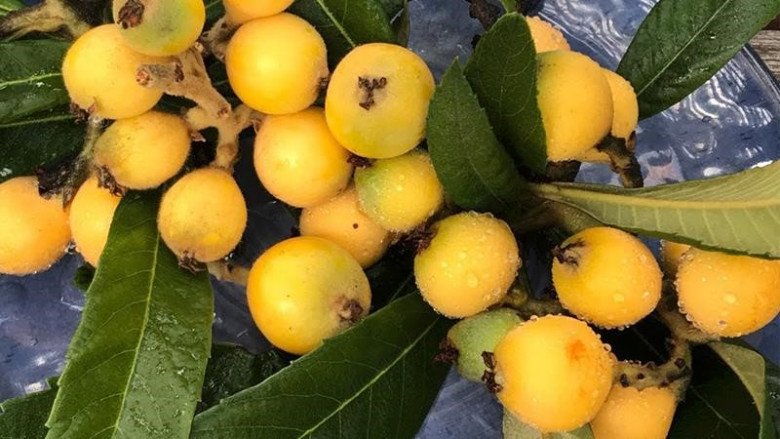
Sometimes, the most interesting foods are the ones hiding in plain sight.
And the next time you encounter a basket of small golden fruits at a market, you may recognize them immediately: they’re loquats, and they’re well worth discovering.
Sources
- USDA FoodData Central — nutritional information for fruits
- Encyclopaedia Britannica — loquat background and botanical information
- Royal Horticultural Society — loquat cultivation and characteristics
- U.S. National Library of Medicine — information on cyanogenic compounds and plant seeds